
Occupancy in Australian Sign Language (Auslan)
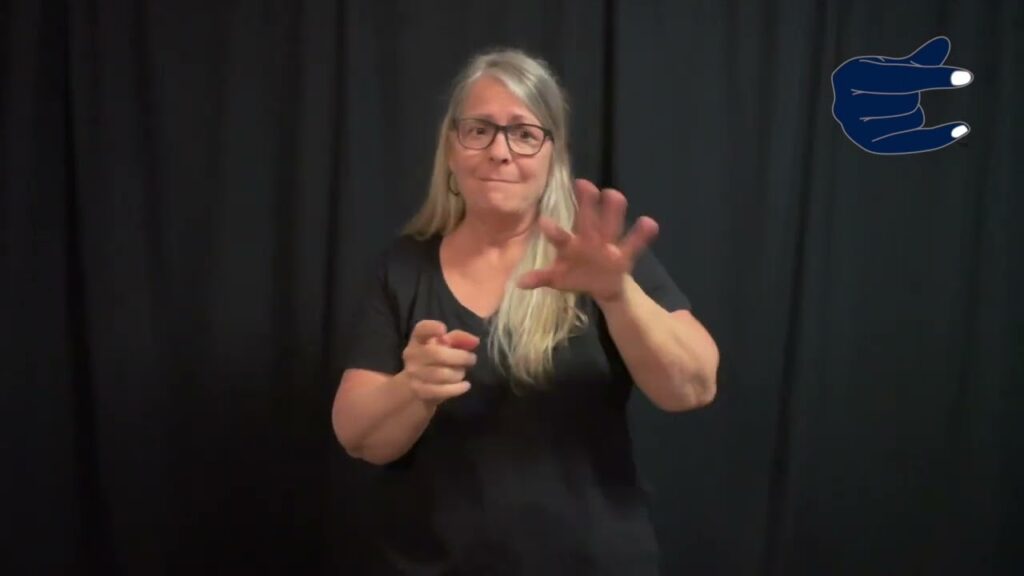
The sign for “occupancy” in Auslan refers to the number of people currently present in a space or the act of being occupied in a place. It’s a useful sign when discussing attendance, capacity, or simply checking in on how many people are around. This sign can often come up in conversations about events, gatherings, or even safety in public spaces.
Table of Contents
How to Sign “Occupancy”
- Start with both hands in front of you, palms facing down. Use your dominant hand to form the number “3” (index, middle finger, and thumb extended).
- Position your non-dominant hand flat, palm facing up, as a base.
- Place your dominant “3” hand above the non-dominant hand and move it downward slightly, as if indicating the number of people occupying a space.
- Maintain a neutral facial expression but raise your eyebrows slightly to indicate a question or emphasis if needed.
- Finish by lowering your dominant hand back to the original position, maintaining the same hand shape.
Common Mistakes
- Confusing the hand shape: Some learners might accidentally use a different number or handshape instead of “3.”
- Incorrect movement: Failing to lower the dominant hand can lead to misinterpretation of the sign.
- Neglecting facial expressions: Facial cues are essential in sign language, and a neutral expression may not convey the intended meaning.
Related Signs
- 1 – The sign for the number one.
- 10 – The sign for the number ten.
- 100 – The sign for the number one hundred.
- 15 – The sign for the number fifteen.
- 16 – The sign for the number sixteen.
Using “Occupancy” in Everyday Conversations
The sign “Occupancy” is often used in various contexts, especially when discussing living arrangements, events, or shared spaces. Here are a few example sentences that illustrate how to use this sign in everyday conversations:
- Example 1: MY HOUSE OCCUPANCY TWO PERSON. (I have two people living in my house.) This might come up when discussing who lives where during a casual chat.
- Example 2: EVENT OCCUPANCY FULL! (The event is at full capacity!) This would be used when informing friends that an event has reached its limit.
- Example 3: MY APARTMENT OCCUPANCY THREE MONTH. (I have been living in my apartment for three months.) This is useful when talking about how long someone has been residing in a place.
These examples show how “Occupancy” can be seamlessly integrated into conversations about living situations and events, making it a practical sign to learn.
Cultural Notes
In the Australian Deaf community, the concept of “Occupancy” extends beyond just numbers. It reflects a sense of community and belonging. Many Deaf Australians often share living spaces or participate in communal events, which makes the understanding of occupancy essential in social interactions. There may be variations in how this sign is expressed in different regions; for instance, some users in northern Australia might emphasize the sign differently than those in the south, reflecting local dialect variations. This highlights the rich diversity within Auslan and the importance of context when learning signs.
Tips for Learning This Sign
To effectively learn and remember the sign “Occupancy,” consider these tips:
- Mirror Practice: Stand in front of a mirror and practice signing “Occupancy” regularly. This helps you ensure your hand shapes and movements are accurate.
- Watch for Non-Manual Features: Pay attention to facial expressions and body language that accompany the sign. These features can add context and meaning.
- Use in Short Signed Sentences: Create simple sentences incorporating “Occupancy” and practice them with friends or a study group. This reinforces your understanding and helps with fluency.
By incorporating these practices into your learning routine, you’ll find it easier to remember and use “Occupancy” naturally in conversation.
Frequently Asked Questions
How can I use “occupancy” in a sentence?
You might say, “What is the occupancy for the event?” by signing “occupancy” followed by a questioning facial expression.
Are there regional variations for this sign?
Some regions may have slight variations in the handshape or movement, but the core concept remains the same.
Are there similar signs in Auslan?
Yes, signs for numbers can be similar, so it’s important to practice the context in which you use “occupancy.”
How does this sign compare to BSL?
While BSL may have a different sign for “occupancy,” the concept is understood similarly across both languages.
What are some teaching tips for this sign?
Practice with a partner, focusing on movement and facial expressions to enhance understanding.
Practice This Sign
Try signing Occupancy In Auslan with your camera and get AI coaching on your handshape, movement, and location.
Free · No signup required