
Occupant in Australian Sign Language (Auslan)

The sign for “occupant” in Auslan conveys the idea of someone who resides in a particular space, such as a house or apartment. This sign is useful in discussions about living arrangements, housing, and community settings.
Table of Contents
How to Sign “Occupant”
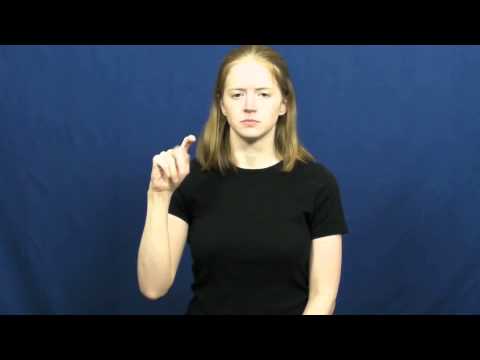
- Start with both hands in a flat handshape (like a “B” handshape) facing downward.
- Position your hands in front of your chest, about shoulder-width apart.
- Move both hands outward and slightly apart while maintaining the handshape, as if you are expanding to represent a space.
- Simultaneously, raise your eyebrows to indicate that you are referring to the presence of someone or something in that space.
Common Mistakes
- Some learners may forget to use the appropriate facial expressions, which are crucial for conveying context in Auslan.
- Misplacing the hands or not keeping them in the correct flat handshape can lead to confusion about the sign’s meaning.
- Moving the hands too quickly or too far apart may make the sign unclear to the viewer.
Related Signs
- 1 – Represents the number one, useful in counting or indicating a single occupant.
- 1 Dollar – A sign for monetary value, often used in discussions about rent or payments.
- 10 – Represents the number ten, which can be useful when discussing the number of occupants.
- 100 – Indicates one hundred, potentially used in housing costs or statistics.
- 15 – Represents the number fifteen, useful in various contexts, including occupants.
Using “Occupant” in Everyday Conversations
The sign “Occupant” can fit into various everyday conversations, especially when discussing living situations or arrangements. Here are a few example sentences where the sign is used naturally:
- “My friend is the occupant of that apartment.” – This could come up during a casual chat about housing situations.
- “The previous occupant left the house in great condition.” – This might be used when discussing real estate or rental properties.
- “Are you the current occupant of this room?” – This is a question you might ask in a shared living environment or while visiting someone’s home.
These examples illustrate how the sign can seamlessly integrate into daily discussions, making it useful for both casual and formal contexts.
Cultural Notes
Within the Australian Deaf community, the concept of “occupant” often carries significance in discussions about housing accessibility and community living. Many Deaf individuals advocate for inclusive housing solutions that accommodate their needs, and this sign can be a part of those conversations. Moreover, it’s important to be aware of regional dialects in Auslan. For example, in some northern areas of Australia, variations in the sign’s movement or intensity may occur, reflecting local signing styles. Being attuned to these variations can enhance communication and foster connections within the community.
Tips for Learning This Sign
To help you master the sign “Occupant,” here are some practical tips:
- Mirror Practice: Stand in front of a mirror and practice the sign to ensure your movements are clear and accurate. This helps with muscle memory and confidence.
- Watch for Non-Manual Features: Pay attention to facial expressions and body language while signing. These non-manual features can enhance the meaning and clarity of your sign.
- Use in Short Signed Sentences: Incorporate “occupant” into simple sentences during practice. This contextualizes the sign and reinforces your understanding of how to use it naturally.
By engaging in these activities regularly, you’ll not only remember the sign better, but you’ll also become more comfortable using it in conversation.
Frequently Asked Questions
How can I use “occupant” in a sentence?
You can say, “The occupant of this apartment is very friendly” by signing “OCCUPANT” and then pointing to the specific apartment or space.
Are there regional variations for this sign?
Yes, some regions may have slight variations in handshape or movement, so it’s good to observe local users.
What are some similar signs to “occupant”?
Signs such as “tenant” or “resident” may have similar meanings but can differ in specific contexts.
How does this sign compare to BSL?
While Auslan and BSL share some signs, “occupant” may look different in BSL, so it’s helpful to learn both if you communicate with users of each language.
What tips do you have for teaching this sign?
Encourage students to practice with facial expressions and to use real-life contexts, like describing their own living situations, to reinforce understanding.
Practice This Sign
Try signing Occupant In Auslan with your camera and get AI coaching on your handshape, movement, and location.
Free · No signup required