
Odd Number in Australian Sign Language (Auslan)

The sign for “odd number” in Auslan refers to numbers that are not divisible by two. You will commonly use this sign when discussing mathematics, counting, or any situation where distinguishing between odd and even numbers is necessary. This sign helps communicate important numerical concepts clearly.
Table of Contents
How to Sign “Odd Number”
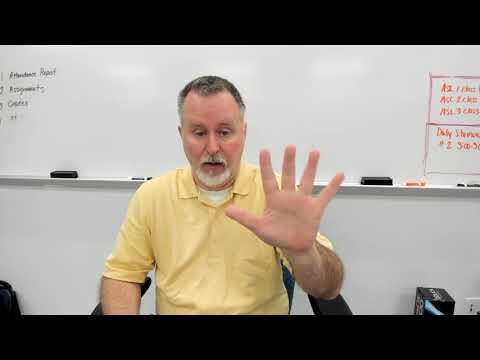
- Start with your dominant hand in a flat “O” shape, with your fingers together and thumb extended.
- Position your hand in front of your chest, with the palm facing outward.
- Move your hand slightly forward and then back to the starting position, keeping the “O” shape intact.
- Maintain a neutral expression, but feel free to raise your eyebrows slightly to indicate that you are making a distinction about the number.
Common Mistakes
- Forgetting to keep the handshape consistent; some learners mistakenly change it to a fist or flat hand.
- Not using enough movement; the sign should have a clear forward and backward motion.
- Misinterpreting the expression; ensure your facial expression matches the context of the discussion about numbers.
Related Signs
- 1 – The sign for the number one.
- 10 – The sign for the number ten.
- 11 – The sign for the number eleven.
- 12 – The sign for the number twelve.
- 100 – The sign for the number one hundred.
Using “Odd Number” in Everyday Conversations
The sign for “Odd Number” can come up in a variety of everyday conversations, particularly when discussing mathematics, games, or even social gatherings. Here are a couple of examples:
- Example 1: “My birthday is on an odd number date.” (BIRTHDAY ODD NUMBER)
- Example 2: “We need an odd number of players for the game.” (WE NEED ODD NUMBER PLAYERS GAME)
- Example 3: “I prefer odd numbers when choosing lottery tickets.” (I PREFER ODD NUMBER CHOOSE LOTTERY TICKETS)
These examples illustrate how the sign fits naturally into discussions about dates, game setups, and personal preferences, making it a useful addition to your Auslan vocabulary.
Cultural Notes
In the Australian Deaf community, the concept of numbers, including odd and even, plays a significant role in various aspects of life, such as education and recreational activities. Understanding the sign for “Odd Number” is essential, especially in contexts like bingo games or community events where numbers are often called out.
While Auslan signs are generally consistent across the country, some regional variations may exist. For instance, Northern and Southern Deaf communities may have slight differences in the usage or accompanying facial expressions when signing numbers. Being aware of these variations can enhance communication and foster a deeper connection with the community.
Tips for Learning This Sign
Practicing the sign for “Odd Number” can be both enjoyable and effective if you incorporate a few strategies:
- Mirror Practice: Stand in front of a mirror while signing. This helps you observe your hand shapes and movements, ensuring they match the correct sign.
- Focus on Non-Manual Features: Pay attention to your facial expressions and body language while signing. These elements add meaning and context to your signs, making your communication more expressive.
- Use in Short Signed Sentences: Create simple sentences using “Odd Number” in your daily conversations, even if it’s just with yourself. This repetition will help reinforce your memory of the sign.
By engaging with the sign in various ways, you’ll find it easier to remember and use “Odd Number” naturally in conversation.
Frequently Asked Questions
How do I use “odd number” in a sentence?
You can say, “The number 3 is an odd number” by signing “3” followed by the sign for “odd number.”
Are there regional variations in this sign?
While the sign is generally consistent, some regions may have slight variations in handshape or movement.
What are some similar signs?
Similar signs include “even number” and specific odd numbers such as “1,” “3,” or “5.”
How does this compare to BSL?
In BSL, the sign for “odd number” may differ significantly in handshape and movement, emphasizing the importance of learning the right sign for each language.
What are some teaching tips for this sign?
Practice in small groups to ensure clarity and correct movement. Use visual aids to help learners connect the sign with the concept of odd numbers.
Practice This Sign
Try signing Odd Number In Auslan with your camera and get AI coaching on your handshape, movement, and location.
Free · No signup required