
National in Australian Sign Language (Auslan)
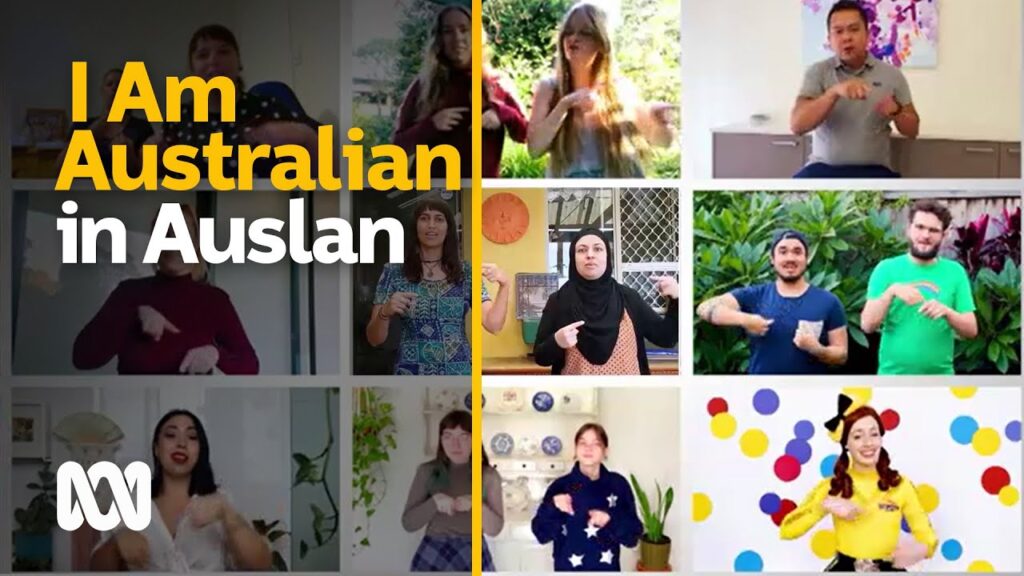
The sign for “national” in Auslan refers to something that pertains to a nation, often used in discussions about citizenship, culture, or national events. This sign is commonly used in conversations related to identity, heritage, and national pride.
Table of Contents
How to Sign “National”

- Start with your dominant hand in a flat handshape, palm facing down.
- Position your hand near your forehead, slightly to the side, as if representing a person’s head.
- Move your hand away from your forehead in a forward motion, while maintaining the flat handshape.
- As you move your hand, nod your head slightly to emphasize the sign, showing engagement and understanding.
Common Mistakes
- Forgetting to maintain the flat handshape, which can lead to confusion with other signs.
- Not using facial expressions, which are crucial in Auslan for conveying meaning and emotion.
- Moving the hand too quickly or too far from the head, which can alter the intended meaning.
Related Signs
- 1 – Represents the number one in sign language.
- 1 Dollar – Sign for one dollar, often used in financial contexts.
- 10 – Represents the number ten in sign language.
- 100 – Sign for one hundred, frequently used in discussions about money.
- 11 – Represents the number eleven in sign language.
Using “National” in Everyday Conversations
The sign “National” is frequently used in discussions about topics that affect the whole country or when referring to national entities. Here are a few example sentences to illustrate its use:
- “National Deaf Community is important.” – This might come up in conversations about advocacy or resources available for the Deaf community in Australia.
- “I watched the National Rugby League last night.” – This could be a casual conversation about sports and popular events happening in Australia.
- “The National Disability Insurance Scheme helps many.” – This is relevant in discussions about support systems available for individuals with disabilities.
These examples show how “National” integrates into everyday discussions about community, sports, and social services, helping to convey a sense of collective identity and shared interests.
Cultural Notes
The sign “National” has a significant role in the cultural conversations within the Australian Deaf community. It often relates to national events, policies, and organizations that impact the lives of Deaf individuals. The term is commonly associated with the Deaf community’s identity, emphasizing unity and collective action.
In terms of regional variation, some signs and their usage may differ slightly between northern and southern dialects in Australia. While “National” remains widely understood, variations in facial expressions and accompanying non-manual features can occur. It’s beneficial to engage with local Deaf community members to experience these nuances firsthand.
Tips for Learning This Sign
Practicing the sign “National” can enhance your Auslan skills and confidence in communication. Here are some effective ways to learn and remember it:
- Mirror Practice: Use a mirror to watch yourself sign “National.” This helps you refine your hand shape and movement while ensuring clarity.
- Observe Non-Manual Features: Pay attention to facial expressions and body language when signing. These features can add meaning and context to the sign.
- Incorporate into Short Sentences: Try using “National” in various contextually relevant sentences. This not only helps with memorization but also builds your conversational skills.
Regular practice and interaction with the Deaf community will further solidify your understanding and usage of this essential sign.
Frequently Asked Questions
How can I use “national” in a sentence?
You might say, “I am proud of my national heritage,” using the sign for “national” to emphasize your connection to your country.
Are there regional variations of this sign?
Yes, like many signs, “national” can have variations depending on the region in which Auslan is used. It’s always good to learn from local users.
What are some similar signs?
Similar signs include “country,” “citizen,” and “government,” which all relate to national identity or governance.
How does this compare to BSL?
In British Sign Language (BSL), the sign for “national” may differ in handshape and movement. It’s important to learn the specific signs for each language.
Any tips for teaching this sign?
Encourage students to practice with peers to gain confidence and fluency, and remind them of the importance of facial expressions in conveying meaning.
Can “national” be used in different contexts?
Absolutely! “National” can be used in contexts like national holidays, events, or discussions about citizenship and culture.
Practice This Sign
Try signing National In Auslan with your camera and get AI coaching on your handshape, movement, and location.
Free · No signup required