
National Institute for Health and Care Excellence Nice in Australian Sign Language (Auslan)
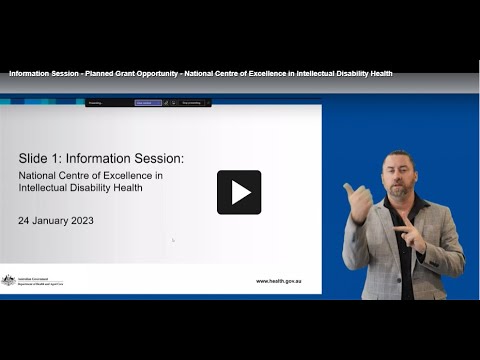
The sign for “National Institute for Health and Care Excellence” (NICE) in Auslan refers to the UK’s public body that provides guidance and advice to improve health and social care. This sign is often used in discussions related to healthcare policies, recommendations, and practices impacting the Deaf community and beyond.
How to Sign “National Institute For Health And Care Excellence Nice”
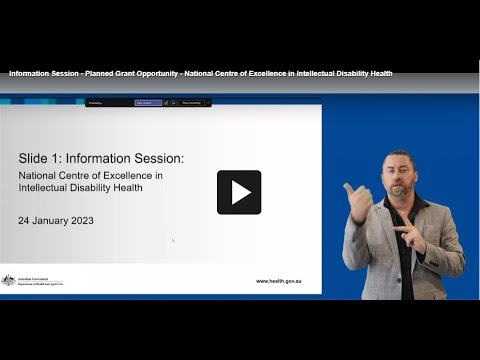
- Start with your dominant hand in a flat shape (like a “B” handshape) and place it near your forehead.
- Move your hand forward away from your forehead while maintaining the flat shape, representing the concept of “national” or “national level.”
- Transition to a “C” handshape with your dominant hand and position it in front of your chest to indicate “institute.” Move the “C” handshape in a small circular motion.
- Next, use your dominant hand to form the letter “N,” placing it on your non-dominant hand, which is in a flat shape to signify “health.” Gently tap the flat hand with the “N” handshape.
- Finally, bring both hands together in front of your body, palms facing inward, to express “care excellence,” and slightly raise your hands to show the importance of this care.
Common Mistakes
- Forgetting to transition smoothly between the different handshapes, which can confuse the meaning.
- Using too much movement or exaggerated facial expressions that can distract from the clarity of the sign.
- Not maintaining eye contact or appropriate facial expressions that convey the seriousness of the topic, which is essential in Auslan.
Related Signs
- 1: The sign for the number one.
- 1 Dollar: Sign indicating one dollar, often used in financial discussions.
- 10: The sign for the number ten, commonly used in counting.
- 100: Sign for one hundred, helpful in financial contexts.
- 11: The sign for the number eleven.
Frequently Asked Questions
Can you use this sign in a sentence?
Yes! For example, you could say, “The NICE guidelines are important for our health.” In Auslan, you would sign the full phrase using the appropriate signs for each word.
Are there any regional variations of this sign?
While the sign is fairly standardized, some regions may have slight variations in handshape or movement. It’s best to observe local users.
What are some similar signs to “NICE”?
Signs like “health,” “care,” and “institute” are related and often used in similar contexts.
How does this sign compare to BSL?
The sign for NICE in BSL may differ, as BSL has its own unique signs and structures. It’s always interesting to compare the two languages!
Any tips for teaching this sign?
Encourage students to practice with a partner and use facial expressions to convey the importance of the topic. Repetition and context help solidify understanding.
Practice This Sign
Try signing National Institute For Health And Care Excellence Nice In Auslan with your camera and get AI coaching on your handshape, movement, and location.
Free · No signup required