
Nand in Australian Sign Language (Auslan)
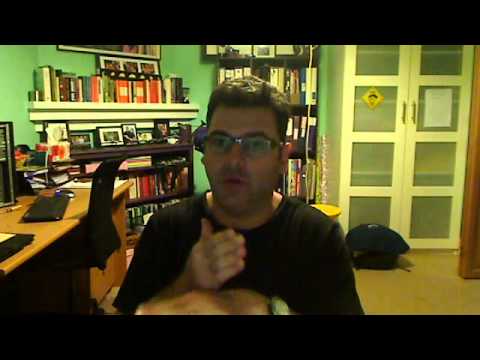
The sign for “nand” in Auslan refers to a logical operation commonly used in mathematics and computer science. It is often used when discussing programming, electronics, or logical functions. This sign is particularly useful in educational settings and among individuals working in technical fields.
Table of Contents
How to Sign “Nand”
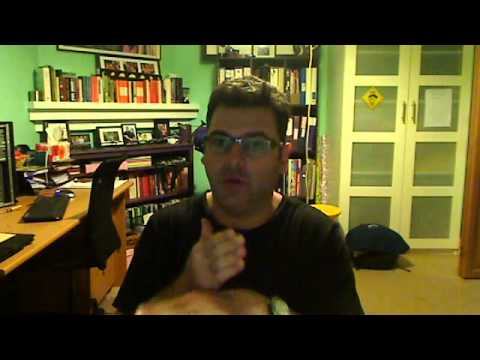
- Start with your dominant hand in a flat position, palm facing down.
- Extend your index finger and middle finger while keeping the other fingers tucked in. This forms a “two-finger” shape.
- Position your hand about shoulder height, slightly in front of you.
- Move your hand from left to right in a gentle arc while maintaining the two-finger shape.
- As you perform the movement, maintain a neutral facial expression. This helps convey the technical nature of the sign.
Common Mistakes
- Some learners may confuse the handshape, using a flat hand instead of the two-finger shape.
- Not maintaining the correct height or position can lead to misunderstandings; the sign should be at shoulder level.
- Facial expressions are often overlooked, which can affect the clarity of the sign’s meaning.
Related Signs
- 1 – Represents the number one.
- 1 Dollar – Sign for one dollar currency.
- 10 – Represents the number ten.
- 100 – Sign for one hundred.
- 11 – Represents the number eleven.
Using “Nand” in Everyday Conversations
The sign “Nand” can be a valuable addition to your Auslan vocabulary, especially when discussing choices or preferences. Here are a few example sentences where “Nand” fits naturally:
- Example 1: “I want coffee nand tea.” (sign: I WANT COFFEE NAND TEA)
- Example 2: “You can go to the park nand the beach.” (sign: YOU CAN GO PARK NAND BEACH)
- Example 3: “She likes chocolate nand vanilla ice cream.” (sign: SHE LIKE CHOCOLATE NAND VANILLA ICE CREAM)
These phrases typically come up in casual conversations, such as when making plans with friends, discussing food choices, or sharing preferences in a group setting.
Cultural Notes
The sign “Nand” holds significance in the Australian Deaf community, reflecting the values of inclusivity and choice. It is often used to emphasize options and the importance of personal preferences. This reflects a cultural norm among the Deaf where group decisions often consider individual desires.
While there may be minor variations in usage based on regional dialects—such as northern and southern differences—”Nand” remains widely understood throughout Australia. It is essential to engage with local Deaf individuals to understand any subtle nuances in how this sign might be used in different areas.
Tips for Learning This Sign
Practicing the sign “Nand” effectively can enhance your Auslan skills and improve your confidence in using it. Here are some helpful tips:
- Mirror Practice: Stand in front of a mirror while practicing. This helps you observe your hand shapes and movements, ensuring you are mimicking the sign accurately.
- Watch for Non-Manual Features: Pay attention to facial expressions and body language when using “Nand.” These non-manual features can convey additional meaning and context.
- Use in Short Signed Sentences: Incorporate “Nand” into your daily conversations whenever possible. Start with simple sentences and gradually build complexity as you become more comfortable.
Consistent practice and engagement with the Deaf community will further reinforce your learning and understanding of this essential sign.
Frequently Asked Questions
How can I use “nand” in a sentence?
You can say, “In programming, we use ‘nand’ to create logic gates.”
Are there regional variations for this sign?
While the sign is generally consistent, some regions may have slight variations in movement or handshape.
What are similar signs to “nand”?
Signs like “and” and “or” are similar in context but differ in handshape and movement.
How does “nand” compare to BSL?
In BSL, the sign for “nand” may look different, reflecting the unique structure of British Sign Language.
What tips do you have for teaching this sign?
Encourage learners to practice with visual aids and in context, like discussing logic functions, to reinforce understanding.
Practice This Sign
Try signing Nand In Auslan with your camera and get AI coaching on your handshape, movement, and location.
Free · No signup required