
Lamb in Australian Sign Language (Auslan)
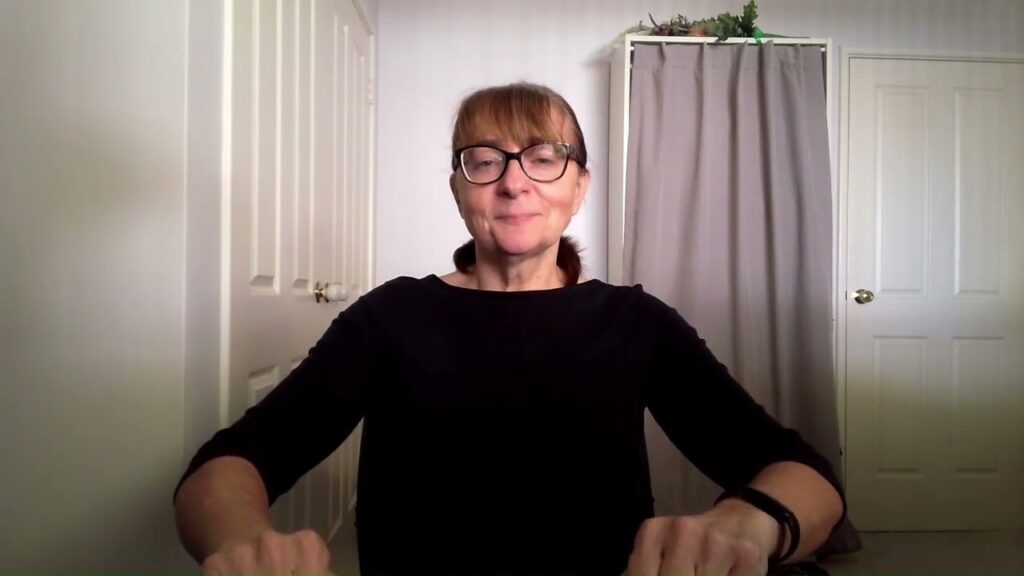
The sign for “lamb” in Auslan refers to the young sheep commonly associated with springtime, innocence, and various cultural symbols. This sign is useful in conversations about animals, farming, or even during discussions about holidays like Easter. It’s a delightful word that can add warmth to your conversations.
Table of Contents
How to Sign “Lamb”
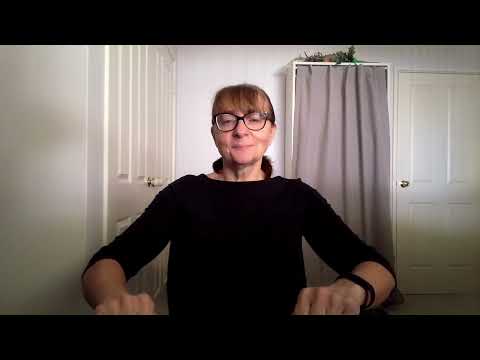
- Start with your dominant hand in the shape of a flat “B” (the palm facing down).
- Place the flat hand at the side of your chin.
- Move your hand slightly outward from your chin while keeping the shape and position.
- Maintain a gentle facial expression to convey the softness associated with lambs.
Common Mistakes
- Forgetting to use a flat hand shape, which can lead to confusion with other signs.
- Moving the hand too far from the chin, making the sign less recognizable.
- Neglecting facial expressions, which are crucial in conveying the meaning of signs in Auslan.
Related Signs
- Sheep – The general sign for adult sheep.
- Goat – How to sign for goats, another common farm animal.
- Animal – The sign for animals in general.
- Baby – A sign that may relate in contexts discussing young animals.
- Farm – The sign for farm, where lambs are often found.
Using “Lamb” in Everyday Conversations
Incorporating the sign for “Lamb” into everyday conversations can enhance communication, especially in discussions about food or cultural traditions. Here are a few example sentences where you might use the sign:
- “I will cook lamb for dinner.”
- In this context, you’re sharing your dinner plans with friends or family.
- “The lamb at the barbecue was delicious!”
- This could come up in a casual conversation about a recent gathering or event.
- “My favourite dish is lamb roast.”
- Use this when discussing personal preferences regarding food.
Cultural Notes
In the Australian Deaf community, lamb holds significant cultural relevance, particularly in relation to traditional Australian cuisine and gatherings. Lamb is often featured at important celebrations like Christmas and Easter, where families come together. The sign for “Lamb” may also vary slightly between different regions of Australia, reflecting local dialects and influences. For instance, in some southern states, the sign might be signed with a more pronounced emphasis on the facial expressions to convey enthusiasm, while in northern regions, it might be signed with a more straightforward approach. Understanding these nuances can help foster connections with Deaf individuals from various backgrounds.
Tips for Learning This Sign
To effectively learn and remember the sign for “Lamb,” consider the following tips:
- Mirror Practice: Stand in front of a mirror and practice the sign. This helps you see your hand shape and movements clearly, allowing for self-correction.
- Watch Non-Manual Features: Pay attention to facial expressions and body language while signing. These non-manual features are essential in Auslan to convey meaning and emotion.
- Use in Short Sentences: Incorporate the sign into simple sentences while practicing. This contextualizes the sign and helps reinforce memory through practical usage.
Regular practice will enhance your confidence and fluency in using the sign for “Lamb” in conversations!
Frequently Asked Questions
Can you use “lamb” in a sentence?
Yes! You might say, “I saw a cute lamb at the farm.” In Auslan, this would involve signing “I” + “see” + “cute” + “lamb” + “farm.”
Are there regional variations for this sign?
There may be slight variations depending on the region, but the basic handshape and movement remain consistent across Auslan users.
How is “lamb” similar to other signs?
The sign for “lamb” can be confused with “sheep” since both involve similar hand shapes. Pay attention to context to clarify meaning.
How does “lamb” compare to BSL?
In BSL, the sign for “lamb” is different, often involving a more descriptive motion. It’s beneficial to learn both for broader communication.
What tips do you have for teaching this sign?
Use visuals and engage learners with stories about lambs to create a context. Practice with repetition and encourage facial expressions.
Can I use this sign for other baby animals?
While “lamb” specifically refers to young sheep, the sign can be used in contexts discussing young animals, making it a versatile addition.
Practice This Sign
Try signing Lamb In Auslan with your camera and get AI coaching on your handshape, movement, and location.
Free · No signup required