
Kindred in Australian Sign Language (Auslan)
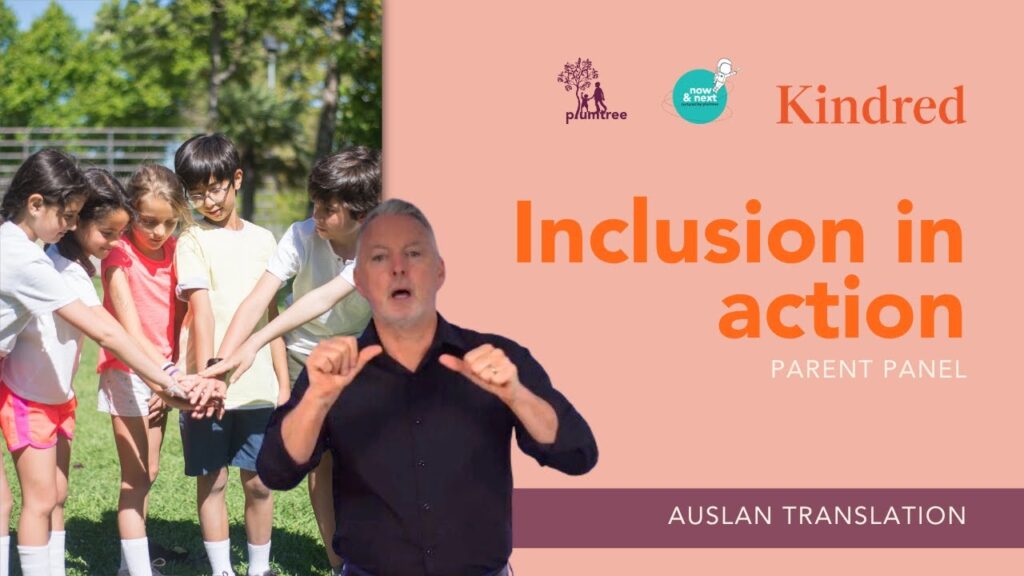
The sign for “kindred” in Auslan represents a sense of familial connection or a bond that feels like family. It is often used when discussing relationships, heritage, or the deep connections that exist within a community. Emphasizing kinship, this sign can be particularly meaningful in conversations about shared experiences among the Deaf community.
Table of Contents
How to Sign “Kindred”
- Start with your dominant hand in a flat ‘B’ hand shape (palm facing down).
- Position your hand near your chest, with your fingertips touching your sternum.
- Move your hand outward in a gentle arc away from your body while keeping the handshape the same.
- As you move your hand, slightly tilt your head forward and maintain a warm facial expression to convey the meaning of connection and kinship.
Common Mistakes
- Forgetting to maintain the handshape; some learners may accidentally change it to a fist or another shape.
- Not using facial expressions, which are crucial in Auslan for conveying emotions and nuances.
- Incorrectly positioning the hand too far away from the chest, which can change the meaning of the sign.
Related Signs
- 1 – Represents the number one or a singular item.
- 1 Dollar – Used to indicate a single dollar in financial contexts.
- 10 – Represents the number ten.
- 100 – Indicates the number one hundred.
- 11 – Represents the number eleven.
Using “Kindred” in Everyday Conversations
The sign “Kindred” can be integrated into various conversations, particularly when discussing family, relationships, or community ties. Here are a few example sentences that demonstrate its use:
- Example 1: “My kindred support me.” (MY KINDRED SUPPORT) — This might come up in a conversation about the importance of family during challenging times.
- Example 2: “We are all kindred spirits here.” (WE ALL KINDRED SPIRITS HERE) — This could be used in a group setting, reflecting a sense of belonging among friends or community members.
- Example 3: “I love spending time with my kindred.” (I LOVE SPEND TIME WITH MY KINDRED) — This is suitable when talking about enjoying family gatherings or close relationships.
Cultural Notes
The concept of “kindred” holds significant meaning within the Australian Deaf community. It reflects not just familial ties, but also the deep connections formed through shared experiences and cultural understanding. Many Deaf individuals find a sense of belonging among their peers, forming bonds that transcend traditional family structures.
It’s also worth noting that while the sign for “kindred” is generally consistent across the country, some regional variations may exist. For instance, in certain Northern territories, the sign may incorporate more facial expressions or additional gestures to convey specific nuances related to kinship. Being aware of these subtle differences can enrich your understanding and use of the sign.
Tips for Learning This Sign
To effectively learn and remember the sign “kindred,” consider these practical strategies:
- Mirror Practice: Stand in front of a mirror and practice the sign while observing your hand movements and facial expressions. This will help reinforce muscle memory.
- Focus on Non-Manual Features: Pay attention to your facial expressions when using the sign. Non-manual features, such as raising your eyebrows or tilting your head, can add important context and meaning.
- Use in Short Sentences: Try incorporating “kindred” into short signed sentences regularly. The more you use it in everyday conversations, the more natural it will feel.
By combining these techniques, you’ll enhance your ability to sign “kindred” confidently and meaningfully within the context of your interactions.
Frequently Asked Questions
How can I use “kindred” in a sentence?
You might say, “We are kindred spirits,” to express a deep connection with someone.
Are there regional variations for this sign?
The sign for “kindred” may have slight variations based on different Auslan communities, but the core meaning remains the same.
Are there similar signs in Auslan?
Yes, signs like “family” and “friend” also convey connections, though they carry different nuances.
How does this sign compare to BSL?
While BSL has its version for “kindred,” the hand shapes and movements will differ, reflecting each language’s unique structure.
What are some tips for teaching this sign?
Encourage learners to practice with partners and emphasize the emotional aspect through facial expressions.
Practice This Sign
Try signing Kindred In Auslan with your camera and get AI coaching on your handshape, movement, and location.
Free · No signup required