
Family Planning in Australian Sign Language (Auslan)
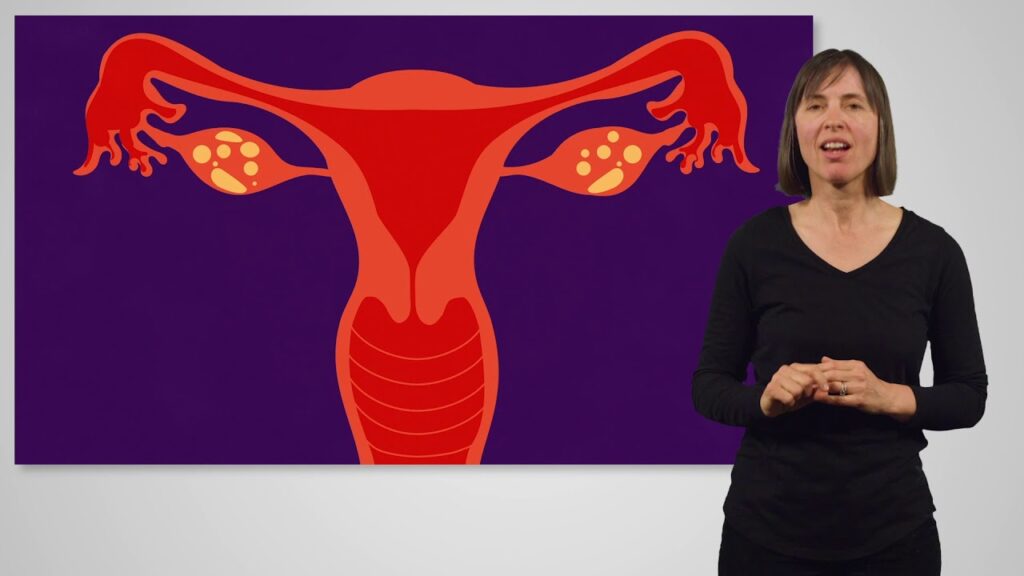
The sign for “family planning” in Auslan (Australian Sign Language) is used to discuss topics related to reproductive health, family size, and planning for the future. This sign is commonly used in healthcare settings, family discussions, and educational contexts focused on family dynamics and responsibilities.
Table of Contents
How to Sign “Family Planning”
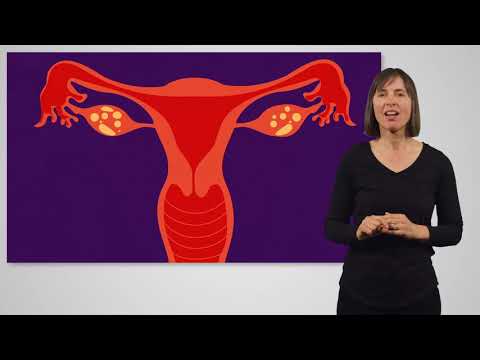
- Start with your dominant hand in a flat shape, palm facing down.
- With your non-dominant hand, form a fist and place it below the dominant hand.
- Move the dominant hand slightly forward while simultaneously moving the non-dominant hand upward, as if showing a plan coming to life.
- Maintain a neutral facial expression, or add a slight smile to convey positivity about the topic.
Common Mistakes
- Forgetting to use both hands can make the sign unclear.
- Using too much movement can confuse the sign with other, unrelated signs.
- Neglecting facial expressions, which are crucial for conveying the meaning of the sign.
Related Signs
- 1 – The sign for the number one.
- 1 Dollar – The sign for one dollar, often used in financial discussions.
- 10 – The sign for the number ten.
- 100 – The sign for one hundred, useful in various contexts.
- 11 – The sign for eleven, helps with counting.
Using “Family Planning” in Everyday Conversations
Integrating the sign for “Family Planning” into everyday conversations can enhance communication, especially when discussing topics related to health, relationships, or family. Here are a few example sentences using the sign:
- “I want to talk about family planning.” (SIGN: I WANT TALK FAMILY PLANNING)
- “We should attend the family planning workshop.” (SIGN: WE SHOULD ATTEND FAMILY PLANNING WORKSHOP)
- “Family planning is important for us.” (SIGN: FAMILY PLANNING IMPORTANT FOR US)
These scenarios often arise in discussions with friends, during health seminars, or in family settings when planning for the future.
Cultural Notes
In the Australian Deaf community, the topic of family planning can carry significant cultural weight. The Deaf community often emphasizes the importance of informed choices regarding family and parenting, highlighting the need for accessible information. Discussions around family planning also intersect with broader topics of reproductive rights and education.
While Auslan is relatively uniform across Australia, there may be slight variations in the signing of “Family Planning” influenced by regional dialects. For instance, some northern regions may adopt variations in facial expressions or signing pace, which can subtly change the emphasis in discussions. It’s beneficial to engage with local Deaf individuals to understand these nuances better.
Tips for Learning This Sign
Practicing the sign for “Family Planning” can be both fun and rewarding. Here are some effective strategies to help you learn and remember it:
- Mirror Practice: Stand in front of a mirror while signing. This helps you see your form and ensure it matches the correct movements.
- Watch for Non-Manual Features: Pay attention to your facial expressions and body language when signing, as these can convey additional meaning.
- Use in Context: Create short signed sentences that include “Family Planning” and practice them in conversations with friends or classmates.
- Record Yourself: Film your signing session and review the footage to identify areas for improvement.
Engaging with the sign in various ways will help solidify your understanding and increase your confidence in using it socially.
Frequently Asked Questions
How can I use “family planning” in a sentence?
You might say, “We are discussing family planning at the clinic today.” In Auslan, you can sign this by using the sign for “family planning” within that context.
Are there regional variations for this sign?
Yes, some areas may have slight variations in hand shape or movement. It’s best to learn from local Deaf community members.
Is there a similar sign in BSL?
British Sign Language may have a different sign for “family planning,” so it’s good to learn the specific signs used in each language.
What are some tips for teaching this sign?
Encourage students to practice in pairs, using facial expressions to reinforce the meaning. Demonstrating the sign in context can also help.
Can I use gestures to explain “family planning”?
While gestures can help, it’s best to use the established sign to ensure clarity and understanding within the Deaf community.
What is the context of this sign?
This sign is often used in healthcare, family discussions, and educational settings, particularly when discussing family size and responsibilities.
Practice This Sign
Try signing Family Planning In Auslan with your camera and get AI coaching on your handshape, movement, and location.
Free · No signup required