
Facsimile in Australian Sign Language (Auslan)

The sign for “facsimile” in Auslan is used to refer to a copy or reproduction of a document or image. This term is often encountered in academic or professional settings, such as when discussing faxed documents or printed materials. Understanding how to sign “facsimile” can enhance communication in contexts where precise information sharing is essential.
Table of Contents
How to Sign “Facsimile”
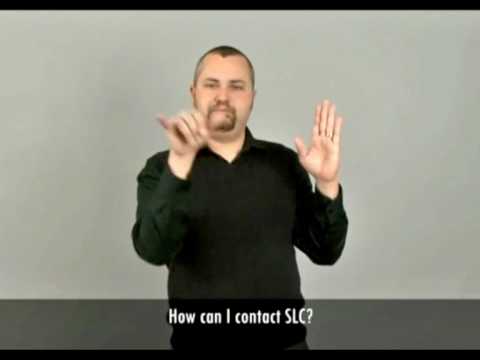
- Start by holding your dominant hand in a flat handshape (like the letter “B”).
- Position your hand in front of your body, about chest height, with your palm facing towards you.
- Move your hand slightly away from your body and then back towards it, as if you are mimicking the action of sending or receiving a document.
- As you perform the movement, maintain a neutral facial expression, but feel free to add a slight nod to convey clarity.
Common Mistakes
- Some learners may confuse the sign for “facsimile” with the sign for “copy,” using incorrect hand movements.
- Not keeping the hand flat can lead to misunderstandings; ensure the handshape remains consistent throughout.
- Failing to incorporate facial expressions can make the sign less clear, so always remember to express the action through your face.
Related Signs
- 1 – The sign for the number one.
- 1 Dollar – The sign for one dollar, often used in financial discussions.
- 10 – The sign for the number ten, useful in various counting contexts.
- 100 – The sign for one hundred, frequently used in financial or academic settings.
- 12 – The sign for the number twelve, beneficial in discussions involving quantity.
Using “Facsimile” in Everyday Conversations
The sign “Facsimile” is often used in contexts related to communication, technology, or when discussing document sharing. Here are a few example sentences where “Facsimile” might come up:
- Sentence: “I sent the facsimile to the office yesterday.”
Auslan Sign Order: “I FACSIMILE OFFICE YESTERDAY SEND.”
Context: This could be used in a conversation about work tasks or communication methods. - Sentence: “Can you send me a facsimile of that document?”
Auslan Sign Order: “YOU CAN FACSIMILE DOCUMENT SEND ME?”
Context: A common request during meetings or discussions where documents are shared. - Sentence: “The facsimile machine is broken.”
Auslan Sign Order: “FACSIMILE MACHINE BROKEN.”
Context: This might come up in a casual chat about office equipment or technical issues.
Cultural Notes
In the Australian Deaf community, the use of “Facsimile” reflects not only the technology used for communication but also the community’s adaptation to various forms of information exchange. Many Deaf individuals rely on visual forms of communication, and understanding terms like “facsimile” is crucial, especially in professional environments. There may be slight variations in sign usage between northern and southern regions, but the core sign remains widely understood. Engaging with local Deaf groups can enrich your understanding of these regional nuances and enhance your signing skills.
Tips for Learning This Sign
Mastering the sign for “Facsimile” can be made easier with a few practical techniques:
- Mirror Practice: Stand in front of a mirror to observe your handshape and movement. This visual feedback helps ensure accuracy.
- Watch for Non-Manual Features: Pay attention to facial expressions and body language that accompany the sign, as these non-manual features can add context and meaning.
- Use it in Sentences: Incorporate “Facsimile” into short, everyday sentences when practicing with friends or during lessons. This contextual practice reinforces memory and fluency.
By integrating these techniques into your learning routine, you’ll find it easier to remember and use the sign effectively in conversations.
Frequently Asked Questions
How can I use “facsimile” in a sentence?
You might say, “I just sent the facsimile of the report,” while signing “facsimile” to clarify what you’re discussing.
Are there regional variations of this sign?
While “facsimile” is fairly consistent across Auslan, some regions may have slight variations in hand shape or movement.
What is a similar sign to “facsimile”?
The sign for “copy” is similar, but typically involves a different hand shape and movement. Practice both to differentiate.
How does “facsimile” compare to BSL?
In British Sign Language (BSL), the sign for “facsimile” may differ significantly in handshape and movement, reflecting regional sign language variations.
What are some teaching tips for this sign?
Encourage learners to practice in pairs, focusing on handshape and facial expression. Use visual aids to reinforce the concept of facsimiles.
Practice This Sign
Try signing Facsimile In Auslan with your camera and get AI coaching on your handshape, movement, and location.
Free · No signup required