
Face Fungus in Australian Sign Language (Auslan)

In Auslan, “face fungus” refers to a specific skin condition affecting the face, commonly mentioned in medical discussions or casual conversations about health. This term is especially pertinent in contexts where skin care or dermatological issues are being addressed.
Table of Contents
How to Sign “Face Fungus”
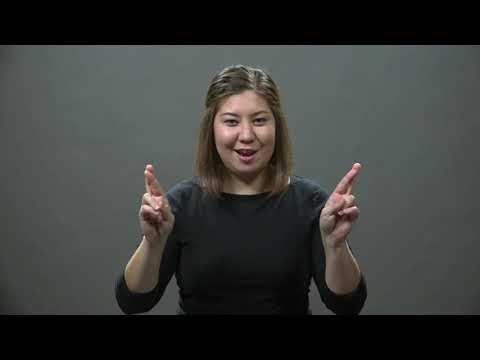
- Start with your dominant hand in a flat handshape (like the palm facing down).
- Position your hand near your face, approximately at cheek level, and slightly to the side.
- Make a gentle circular motion with your hand, moving it across your face from one side to the other.
- As you perform the motion, maintain a neutral facial expression to convey the seriousness of the topic.
- Finish the sign by returning your hand to the starting position, ready for the next sign or conversation.
Common Mistakes
- Some learners may confuse the sign with a general sign for “face,” forgetting to include the circular motion that indicates “fungus.”
- Using an exaggerated facial expression can distract from the sign’s meaning; keeping a neutral expression is key.
- Not positioning the hand close enough to the face can make the sign unclear or difficult to understand.
Related Signs
- 1 – The sign for “one,” used frequently in counting or listing.
- 1 Dollar – Sign indicating a single dollar, useful in financial discussions.
- 10 – The sign for “ten,” often used in counting or quantifying.
- 100 – Represents “one hundred,” useful in financial or numerical contexts.
- 11 – The sign for “eleven,” commonly used in counting or numbering.
Using “Face Fungus” in Everyday Conversations
The sign “Face Fungus” can commonly arise in discussions about health, beauty, or personal grooming, especially among friends or in a casual setting. Here are a few example sentences that show how to incorporate this sign into everyday conversations:
- “MY FRIEND HAVE FACE FUNGUS” (My friend has face fungus) – This might come up when chatting about a friend’s skin condition.
- “FACE FUNGUS, NOT GOOD FOR SKIN” (Face fungus is not good for the skin) – Useful in discussions about skincare and health tips.
- “I SAW DOCTOR FOR FACE FUNGUS” (I saw a doctor for face fungus) – This can be mentioned in a conversation about seeking medical advice.
These examples reflect natural situations where the sign can be used, making it easier to incorporate into your vocabulary.
Cultural Notes
In the Australian Deaf community, the term “Face Fungus” is often used in a light-hearted manner, embracing humour even when discussing less-than-ideal topics like skin conditions. It reflects a cultural tendency to address health issues candidly, fostering openness and support among peers. While variations in signing may exist, the core meaning remains consistent across dialects. For instance, northern and southern regions may exhibit slight differences in facial expressions or non-manual features when signing, but the sign itself is widely understood. Engaging with local Deaf communities can provide insights into these nuances, allowing learners to appreciate the rich diversity of Auslan.
Tips for Learning This Sign
To effectively learn and remember the sign for “Face Fungus,” consider these practical tips:
- Mirror Practice: Use a mirror to practice your signing. This allows you to see your own hand shapes and facial expressions, which are crucial for conveying meaning.
- Watch for Non-Manual Features: Pay attention to the facial expressions and body language that accompany the sign. These non-manual features enhance the clarity of your message.
- Use in Short Sentences: Incorporate “Face Fungus” into short, everyday sentences as you practice with friends or during lessons. This contextual use helps reinforce memory.
By actively engaging with the sign in various ways, you’ll find it easier to remember and use it fluently in conversations.
Frequently Asked Questions
How can I use “face fungus” in a sentence?
You might say, “I have face fungus,” using the sign to explain your condition during a conversation about skin health.
Are there regional variations of this sign?
Yes, some regions may have slight variations in the motion or handshape, so it’s good to observe local users.
Is there a similar sign for “skin rash”?
Yes, there is a different sign for “skin rash,” which typically involves a different handshape and movement.
How does this sign compare to BSL?
In BSL, the sign for “face fungus” may differ significantly, as each sign language has its own unique signs and structures.
What tips do you have for teaching this sign?
Encourage learners to practice in front of a mirror to ensure their hand position and facial expressions are accurate.
Practice This Sign
Try signing Face Fungus In Auslan with your camera and get AI coaching on your handshape, movement, and location.
Free · No signup required