
Dark Adaptation in Australian Sign Language (Auslan)
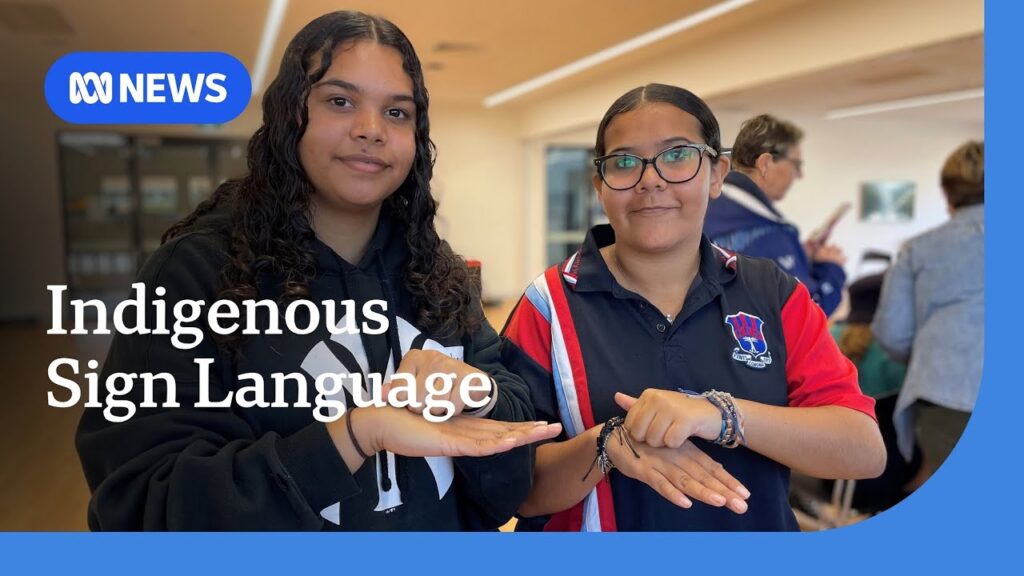
The sign for “dark adaptation” in Auslan refers to the process by which the eyes adjust to low light conditions, allowing better vision in the dark. This sign is often used in contexts related to vision science, health discussions, or when talking about experiences in dimly lit environments.
Table of Contents
How to Sign “Dark Adaptation”

- Start with your dominant hand in a flat handshape (like an open palm) and hold it in front of your eyes.
- Slowly move your hand away from your face while keeping it flat, as if you are moving from light to dark.
- As you move your hand, slightly bend your fingers downwards to indicate the transition into darkness.
- Maintain a neutral facial expression initially, then gradually shift to a more relaxed expression to convey the feeling of adapting to darkness.
Common Mistakes
- Some learners may forget to keep a flat handshape, which can change the meaning of the sign.
- Not moving the hand away from the face slowly enough may cause confusion about the sign’s meaning.
- Facial expressions can be overlooked, which are essential in conveying the correct context of the sign.
Related Signs
- 1 – The sign for the number one.
- 1 Dollar – A sign used for currency.
- 10 – The sign for the number ten.
- 100 – The sign for the number one hundred.
- 11 – The sign for the number eleven.
Using “Dark Adaptation” in Everyday Conversations
The sign “Dark Adaptation” is often used in discussions about vision, especially when talking about how our eyes adjust in low-light conditions. Here are a few example sentences that illustrate its use:
- Situation: Discussing a night-time event with friends.
“I love how my eyes can adjust quickly during dark adaptation when we go stargazing.” - Situation: Talking about a recent experience in a movie theatre.
“The movie started right after the lights went out. I had to wait for dark adaptation to see the screen properly.” - Situation: Sharing tips on low-light photography.
“Before taking photos at night, remember to give your eyes time for dark adaptation.”
Cultural Notes
In the Australian Deaf community, understanding the concept of “Dark Adaptation” is essential, especially for those who are visually impaired or have specific interests in vision science. This term can spark conversations about personal experiences with light sensitivity or navigating environments with varying light conditions. Additionally, there are some regional dialect variations within Auslan. For example, in northern regions, the sign may incorporate more facial expressions to convey the nuances of adjusting to darkness, while southern regions may focus more on the handshape and movement. Being aware of these regional differences can enhance communication and connection within the community.
Tips for Learning This Sign
Practicing the sign “Dark Adaptation” can be both fun and effective with these techniques:
- Mirror Practice: Use a mirror to watch your own signing. This helps you see your hand shapes and movements clearly, ensuring they match the sign.
- Observe Non-Manual Features: Pay attention to facial expressions and body language when signing. These non-manual features can enhance the meaning and convey emotions related to the concept of dark adaptation.
- Short Signed Sentences: Incorporate “Dark Adaptation” into simple sentences. For example, practice saying, “My eyes are adjusting” along with the sign. This helps reinforce context and meaning.
Frequently Asked Questions
How can I use “dark adaptation” in a sentence?
You can say, “I experienced dark adaptation when I entered the movie theater.” This shows the context in which the sign is typically used.
Are there regional variations of this sign?
While the basic sign remains consistent, some variations might exist depending on the local Deaf community’s preferences.
Are there similar signs in Auslan?
Yes, signs related to light and vision might be similar, but “dark adaptation” has its unique movement and meaning.
How does this compare to BSL?
British Sign Language (BSL) has different signs, and “dark adaptation” may not have a direct equivalent. It’s essential to learn the specific signs in each language.
What teaching tips can you provide for this sign?
Practice in front of a mirror to ensure your handshape and movement are clear, and remember to emphasize facial expressions for better understanding.
Practice This Sign
Try signing Dark Adaptation In Auslan with your camera and get AI coaching on your handshape, movement, and location.
Free · No signup required