
Dark Blue in Australian Sign Language (Auslan)
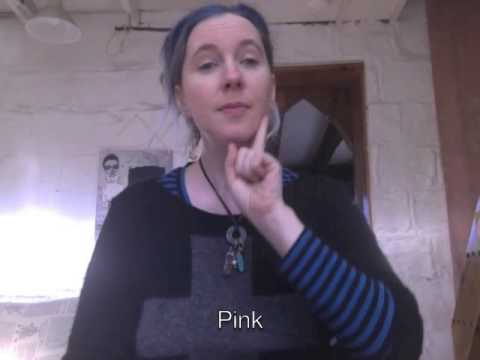
The sign for “dark blue” in Auslan represents a specific shade of blue, often used to describe color in various contexts such as clothing, art, or nature. It’s a useful sign for conversations about preferences, fashion, or describing objects. This sign can be seen frequently in everyday discussions among Deaf individuals.
Table of Contents
How to Sign “Dark Blue”
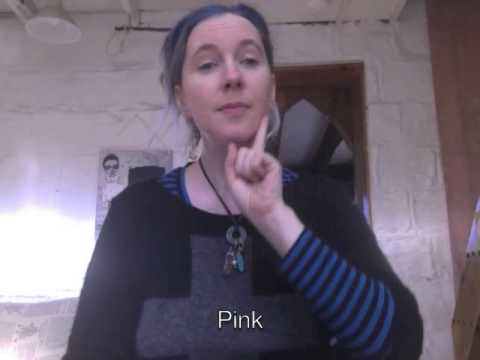
- Start with your dominant hand in a flat handshape (like a “B” handshape), with fingers extended and together.
- Position your dominant hand near your chin, palm facing inward.
- Move your hand slightly away from your face while maintaining the handshape.
- As you sign, incorporate facial expressions that convey the color’s depth, perhaps by furrowing your brow slightly, as if you’re emphasizing the darkness of the blue.
Common Mistakes
- Some learners may confuse the sign for “dark blue” with the sign for “blue” by not incorporating the movement away from the face.
- Forgetting to use the appropriate facial expression can lead to a less impactful sign.
- Using an incorrect handshape, such as a closed fist instead of a flat hand, can change the meaning or make the sign unclear.
Related Signs
- 1 – The sign for the number one.
- 1 Dollar – The sign for one dollar, used in financial contexts.
- 10 – The sign for the number ten.
- 100 – The sign for one hundred, often used in counting or pricing.
- 11 – The sign for the number eleven.
Using “Dark Blue” in Everyday Conversations
In everyday conversations, incorporating the sign for “Dark Blue” can enhance communication, especially when discussing colors, fashion, or preferences. Here are a few example sentences where this sign naturally fits:
- “I love the dark blue dress.” – This might come up while discussing clothing choices with friends.
- “The ocean looks dark blue today.” – A perfect moment to use this sign while chatting about the weather or nature.
- “Can you pass me the dark blue marker?” – This could occur in a classroom or during an art session when selecting materials.
Cultural Notes
Within the Australian Deaf community, colors often have specific associations and significance, making the sign for “Dark Blue” not just a descriptor but a part of cultural expression. Dark blue may be linked to themes of calmness and depth, often reflected in the visual arts and storytelling. While Auslan is relatively consistent across Australia, some regional dialects may exhibit subtle variations in how colors are signed. For example, in some northern regions, the sign for “dark blue” may involve a slightly different handshape or movement compared to southern areas. Engaging with local Deaf communities can provide deeper insight into these nuances.
Tips for Learning This Sign
Practicing the sign for “Dark Blue” can be both fun and effective. Here are some tips to help you remember and use it confidently:
- Mirror Practice: Use a mirror to practice the sign, ensuring your handshape and movement are accurate. Watching your reflection helps reinforce muscle memory.
- Focus on Non-Manual Features: Pay attention to facial expressions and body language that accompany the sign. For “Dark Blue,” a calm facial expression can emphasize the color’s depth.
- Incorporate into Short Sentences: Create simple sentences using “Dark Blue” in various contexts. This not only aids memory but also enhances your ability to use the sign fluidly in conversation.
Frequently Asked Questions
How can I use “dark blue” in a sentence?
You can say, “I love wearing dark blue,” signing “I” + “love” + “wear” + “dark blue.”
Are there regional variations for this sign?
Most regions use a similar sign for “dark blue,” but it’s always good to check with local Deaf communities for any variations.
What are some similar signs?
Similar signs include “light blue” and “blue,” where the movement and facial expressions differ to indicate the shade.
How does this compare to BSL?
In BSL, the sign for “dark blue” may differ in handshape and movement. It’s best to learn from a BSL teacher for accuracy.
Any tips for teaching this sign?
Encourage learners to practice in front of a mirror to observe their facial expressions and hand movements.
Can I use this sign in a storytelling context?
Absolutely! Using expressive facial expressions while signing can enhance the storytelling experience.
Practice This Sign
Try signing Dark Blue In Auslan with your camera and get AI coaching on your handshape, movement, and location.
Free · No signup required