
Dark Brown in Australian Sign Language (Auslan)

The sign for “dark brown” in Auslan is used to describe a rich, deep shade of brown. This color can be applied when discussing clothing, furniture, or nature, making it a practical sign in everyday conversation. It’s useful for expressing preferences or describing objects.
Table of Contents
How to Sign “Dark Brown”
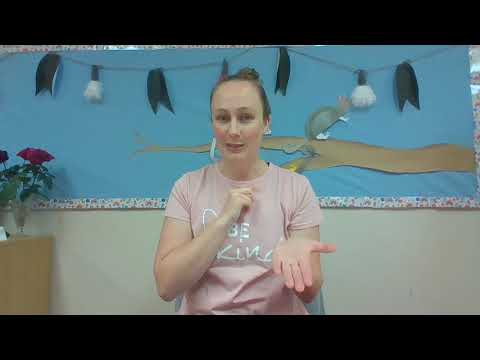
- Start with your dominant hand in a flat handshape (similar to the letter “B”).
- Position your hand in front of your chest, palm facing down.
- Make a small circular motion with your hand, maintaining the flat handshape.
- As you sign, use a facial expression that conveys a strong, rich quality, as if you are emphasizing the depth of the color.
Common Mistakes
- Omitting the circular motion, which can make the sign appear more like a static handshape rather than conveying the richness of the color.
- Using the wrong handshape; ensure your hand is flat and not cupped or in a fist.
- Neglecting facial expressions, which are important for conveying the intensity of the color in Auslan.
Related Signs
- 1 – The sign for the number one.
- 1 Dollar – The sign for one dollar.
- 10 – The sign for the number ten.
- 100 – The sign for one hundred.
- 11 – The sign for eleven.
Using “Dark Brown” in Everyday Conversations
In Auslan, incorporating the sign “Dark Brown” into your daily conversations can help you describe various items around you. Here are a few example sentences that demonstrate its use:
- “I bought a dark brown dog.”
- “Her dark brown hair is beautiful.”
- “The dark brown table is in the living room.”
These sentences can come up in casual conversations about pets, personal appearance, or home decor. Using the sign naturally enhances your communication, allowing you to express yourself clearly and effectively.
Cultural Notes
In the Australian Deaf community, colour and its descriptions are often infused with cultural significance. The sign for “Dark Brown” not only refers to the colour itself but can also reflect personal style and identity. Understanding and using this sign appropriately can contribute to a deeper connection with Deaf culture.
It’s worth mentioning that there may be slight variations in the sign across different regions of Australia. For instance, some northern dialects may emphasize the sign with a more pronounced movement, while southern dialects may use a subtler approach. Being aware of these differences can enhance your understanding and fluency in Auslan.
Tips for Learning This Sign
Practicing the sign “Dark Brown” can be both fun and effective. Here are some tips to help you remember and use it confidently:
- Mirror Practice: Stand in front of a mirror while practicing the sign. This allows you to see your own handshape and movements, ensuring they are accurate.
- Non-manual Features: Pay attention to your facial expressions and body language while signing. These non-manual features can add emphasis and clarity to your communication.
- Use in Context: Incorporate “Dark Brown” into short signed sentences regularly. For instance, describe items you see around you, like clothing or furniture, to reinforce your memory of the sign.
By engaging in these practices, you will become more comfortable with using “Dark Brown” and enhance your overall Auslan skills.
Frequently Asked Questions
Can you use “dark brown” in a sentence?
Yes! For example, you might say, “I have a dark brown jacket,” by signing “I have jacket dark brown.”
Are there regional variations for this sign?
While the sign for “dark brown” is generally consistent, some regions may have slight variations in handshape or movement. It’s always good to observe local signing.
What are some similar signs to “dark brown”?
Related signs include “brown,” “light brown,” and other color variations that can be combined to specify shades.
How does this compare to British Sign Language (BSL)?
BSL has its own signs for color, and while they may be similar, they often differ significantly from Auslan signs. It’s helpful to learn both if interacting with a diverse Deaf community.
Any tips for teaching this sign?
Encourage learners to focus on the smoothness of the circular motion and to practice facial expressions, as they are vital for conveying meaning in Auslan.
Practice This Sign
Try signing Dark Brown In Auslan with your camera and get AI coaching on your handshape, movement, and location.
Free · No signup required