
Calm Down in Australian Sign Language (Auslan)

The sign for “calm down” in Auslan is a gentle reminder to relax and find peace in stressful situations. It’s often used in conversations when someone is feeling overwhelmed or anxious, providing support and encouragement to take a moment for themselves.
Table of Contents
How to Sign “Calm Down”
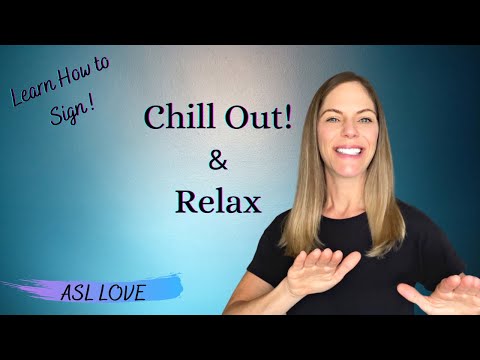
- Start with both hands open, palms facing inward.
- Place your hands in front of your chest at about shoulder height.
- Slowly move your hands outward and slightly downward, as if you are spreading calmness.
- Keep your facial expression soft and relaxed, conveying a sense of peace.
Common Mistakes
- Forgetting to keep a relaxed facial expression, which is important to convey the meaning of calmness.
- Using jerky or fast movements instead of slow, smooth gestures.
- Not using both hands; the sign is more effective with both hands in the correct position.
Related Signs
- Relax: A similar sign indicating the need to unwind.
- Breathe: Used to remind someone to take deep breaths for calming.
- Peace: Signifying tranquility and calmness in a broader sense.
- Slow: Used to encourage someone to take things easy.
Using “Calm Down” in Everyday Conversations
The sign “Calm Down” is often used in various everyday situations, especially when emotions are heightened. Here are a few example sentences that illustrate how this sign can be integrated into conversations:
- Situation: A friend is upset after a disagreement.
Sign: “YOU (point) CALM DOWN, we talk later.”
- Situation: A parent is trying to soothe a child who is having a tantrum.
Sign: “CHILD (point) CALM DOWN (gesture towards the child), it’s okay.”
- Situation: During a heated group discussion, a facilitator wants to ease tensions.
Sign: “GROUP (point) CALM DOWN, let’s listen.”
These examples highlight how “Calm Down” is a versatile phrase, applicable in both personal and group interactions. Using it appropriately can help convey a sense of empathy and understanding.
Cultural Notes
The sign “Calm Down” holds particular significance within the Australian Deaf community, where communication often reflects cultural values of respect and understanding. In many situations, using this sign is not just about the action of calming down but also about fostering a supportive environment. It emphasizes the importance of emotional regulation and interpersonal respect.
There may be slight variations in the sign across different regions, particularly between Northern and Southern dialects in Auslan. While the core gesture remains the same, the accompanying facial expressions and body language may differ based on local cultural nuances. It’s valuable to observe and adapt to these variations when interacting with Deaf individuals from diverse backgrounds.
Tips for Learning This Sign
Practicing the sign “Calm Down” can enhance your fluency and confidence in Auslan. Here are some effective strategies to help you learn:
- Mirror Practice: Stand in front of a mirror while signing. This allows you to observe your own facial expressions and hand movements, which are crucial in Auslan.
- Watch for Non-Manual Features: Pay attention to the accompanying facial expressions and body language while practicing. These non-manual features can greatly influence the meaning and emotional impact of the sign.
- Use in Short Signed Sentences: Incorporate “Calm Down” into simple sentences. For example, practice signing short phrases like “YOU CALM DOWN” or “LET’S CALM DOWN TOGETHER” to reinforce its use in context.
Consistent practice with these methods will help solidify your understanding and ability to use “Calm Down” effectively in your conversations.
Frequently Asked Questions
How can I use this sign in a sentence?
You might say, “When you feel anxious, just sign ‘calm down’ to remind yourself.”
Are there any regional variations of this sign?
While the sign is generally consistent, some regional variations may exist, so it’s good to observe how others use it in your community.
What are some similar signs?
Similar signs include ‘relax’ and ‘breathe,’ which also convey messages of calming oneself.
How does this compare to BSL?
The sign for ‘calm down’ in BSL may differ in handshape and movement, so it’s beneficial to learn about both if you’re interested in different sign languages.
What are some teaching tips for this sign?
Encourage learners to practice in pairs and focus on facial expressions. Demonstrating the sign in context can also help clarify its meaning.
Practice This Sign
Try signing Calm Down In Auslan with your camera and get AI coaching on your handshape, movement, and location.
Free · No signup required