
Call Off in Australian Sign Language (Auslan)
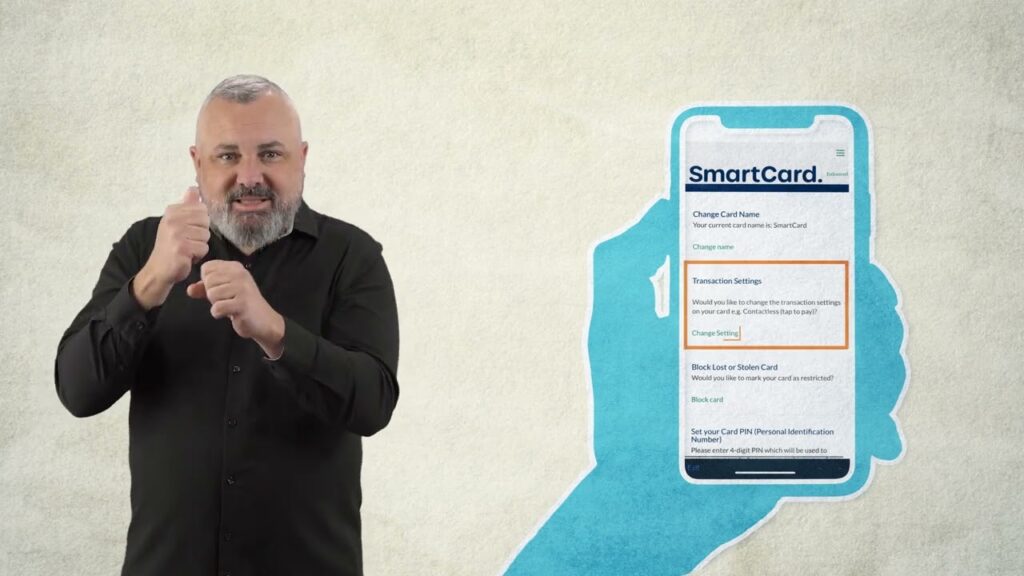
The sign “call off” in Auslan refers to canceling or rescinding something, such as an event or a plan. It’s commonly used in everyday conversations to express the need to stop or withdraw from an arrangement. This sign is useful in both social and professional contexts.
Table of Contents
How to Sign “Call Off In Auslan”
- Start with your dominant hand in a flat handshape (like a “B” hand). Position it in front of your chest.
- With your palm facing down, move your hand slightly outward from your body, extending your arm a bit.
- As you make this movement, slightly tilt your head and raise your eyebrows to convey the meaning of cancellation.
- Finish with a firm handshape, implying a decisive action.
Common Mistakes
- Some learners may forget to use facial expressions, which are crucial in Auslan for conveying the sign’s meaning.
- Others may perform the sign too quickly, losing clarity in the movement.
- Not maintaining the correct handshape can lead to confusion with similar signs.
Related Signs
- 1 – The sign for the number one.
- 10 – The sign for the number ten.
- 100 – The sign for the number one hundred.
- 15 – The sign for the number fifteen.
- 16 – The sign for the number sixteen.
Using “Call Off” in Everyday Conversations
The sign “Call Off” is versatile and can come up in various everyday situations. Here are a few example sentences that illustrate its use:
- Example 1: “I will call off the meeting.” (MEETING CALL OFF)
- Example 2: “They called off the event due to rain.” (EVENT RAIN CALL OFF)
- Example 3: “She called off the dogs.” (DOGS CALL OFF)
These sentences might come up in conversations about scheduling, events, or even casual discussions about pets. Using “Call Off” in these contexts helps clarify when something has been cancelled or postponed, making communication more effective.
Cultural Notes
In the Australian Deaf community, “Call Off” is not just a sign but a reflection of the unique culture and shared experiences among Deaf individuals. The usage of this sign often resonates during discussions about community events, gatherings, or even protests that may have been cancelled. It’s important to understand that there can be slight variations in the sign depending on regional dialects within Australia. For instance, Deaf individuals from Northern regions might emphasize different facial expressions or body language nuances compared to those from the Southern regions. These variations contribute to the richness of Auslan and highlight the diversity within the Deaf community.
Tips for Learning This Sign
To effectively learn and remember the sign “Call Off,” consider the following practical tips:
- Mirror Practice: Stand in front of a mirror while signing to ensure you are using the correct hand shapes and movements. This visual feedback can help you refine your technique.
- Watch Non-Manual Features: Pay attention to facial expressions and body language while signing. These non-manual features are essential in conveying the full meaning and emotion of the sign.
- Use in Short Signed Sentences: Incorporate “Call Off” into simple sentences. Practice by telling a friend about an event you want to cancel, using the sign in context. This helps reinforce your memory through practical application.
Regular practice and engagement with the Deaf community will enhance your fluency and comfort with this sign, making it a natural part of your Auslan vocabulary.
Frequently Asked Questions
How would you use “call off” in a sentence?
You can say, “I need to call off our meeting tomorrow,” using the sign after mentioning your plans.
Are there regional variations for this sign?
Yes, some regions may have slight variations in movement or facial expressions, so it’s good to learn from local Deaf community members.
What is a similar sign to “call off”?
The sign for “cancel” is quite similar and can be used in similar contexts.
How does “call off” compare to BSL?
In British Sign Language (BSL), the sign for “cancel” might look different, so it’s beneficial to learn the specific signs in each language.
What teaching tips do you have for this sign?
Practice in front of a mirror to ensure your handshape and facial expressions are clear and accurate.
Can this sign be used in formal settings?
Absolutely! “Call off” is suitable for both informal and formal contexts.
Practice This Sign
Try signing Call Off In Auslan with your camera and get AI coaching on your handshape, movement, and location.
Free · No signup required