
Alphabet Australian in Australian Sign Language (Auslan)

The sign for “Alphabet Australian” is used to refer to the Australian sign language alphabet, particularly when teaching or discussing the letters of the alphabet. It is commonly used in educational settings, workshops, or when introducing someone to the Auslan alphabet.
Table of Contents
How to Sign “Alphabet Australian“
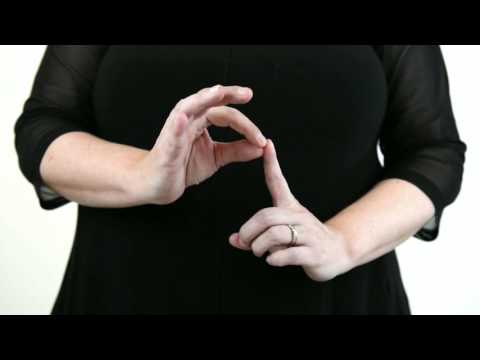
- Start with your dominant hand in a flat shape, fingers extended and together. This represents the concept of the alphabet.
- Position your hand in front of your chest, palm facing towards you.
- Move your hand slightly outward, while keeping the flat shape, to indicate the action of signing or expressing the letters.
- As you perform the movement, maintain a neutral facial expression, or add a slight smile to convey friendliness.
Common Mistakes
- Forgetting to keep the fingers together in a flat shape, which can lead to confusion with other signs.
- Using too much or too little movement; the sign should be subtle and clear.
- Not considering facial expressions, which are essential in ASL for conveying tone and meaning.
Related Signs
- (Auslan) – The sign language used in Australia.
- 1 – The sign for the number one.
- 10 – The sign for the number ten.
- 100 – The sign for the number one hundred.
- 15 – The sign for the number fifteen.
Using “Alphabet Australian” in Everyday Conversations
The sign “Alphabet Australian” is commonly used in various everyday contexts, especially when discussing topics related to communication, education, or when spelling out names and places. Here are a few example sentences that illustrate how to incorporate this sign naturally:
- “MY NAME [sign] ALPHABET AUSTRALIAN” – This is a frequent way to introduce oneself, especially if the name is uncommon.
- “SCHOOL [sign] TEACHER [sign] ALPHABET AUSTRALIAN” – Used when referring to a teacher who uses Auslan to teach the alphabet.
- “FRIEND [sign] AUSTRALIA [sign] ALPHABET AUSTRALIAN” – This could arise in a conversation about a friend’s Australian background or experiences.
These examples showcase how “Alphabet Australian” fits seamlessly into discussions, helping to clarify communication and engage with others in the Deaf community.
Cultural Notes
In the Australian Deaf community, the sign “Alphabet Australian” holds significant cultural relevance. It reflects not just a mode of communication, but a shared identity among Deaf individuals who use Auslan. The sign emphasizes the importance of literacy and education within the community, as understanding the alphabet is foundational to effective communication.
Dialect variations can occur, particularly between northern and southern regions of Australia. In some areas, the use of the sign may differ slightly in execution or accompanying non-manual features, such as facial expressions and body language. Observing these regional nuances can enhance understanding and connection within the community.
Tips for Learning This Sign
To effectively learn and remember the sign “Alphabet Australian,” consider these practical strategies:
- Mirror Practice: Stand in front of a mirror while practicing the sign. This helps you observe your own body positioning and facial expressions, ensuring you replicate the sign accurately.
- Watch Non-Manual Features: Pay attention to the facial expressions and body movements that accompany the sign. These non-manual features can add meaning and context, enhancing your overall signing skills.
- Use in Context: Create short sentences or scenarios where you can use “Alphabet Australian.” Practicing in context reinforces your memory and helps you become more comfortable with the sign.
Regular practice and engaging with the Deaf community will further solidify your understanding and usage of this important sign.
Frequently Asked Questions
How can I use “Alphabet Australian” in a sentence?
You can say, “I am learning the Alphabet Australian to communicate better in Auslan.”
Are there regional variations in this sign?
While “Alphabet Australian” is commonly recognized, some variations may exist depending on local dialects within the Deaf community in Australia.
Is this sign similar to any other signs?
Yes, it may resemble the sign for the Australian sign language alphabet, which focuses more on individual letters.
How does this compare with BSL (British Sign Language)?
BSL has its own unique alphabet and signs, so while there may be similarities, they are distinct languages.
What are some teaching tips for this sign?
Practice with a partner and use visual aids to reinforce learning. Watching videos of fluent signers can also help.
Practice This Sign
Try signing Alphabet Australian with your camera and get AI coaching on your handshape, movement, and location.
Free · No signup required