
Alphabet in Australian Sign Language (Auslan)

The sign for “alphabet in Auslan” refers to the manual representation of letters used in Australian Sign Language. This sign is commonly used in educational settings, conversations about spelling, or when discussing different languages. It helps bridge communication gaps by emphasizing the structure of the alphabet in Auslan.
Table of Contents
How to Sign “Alphabet”
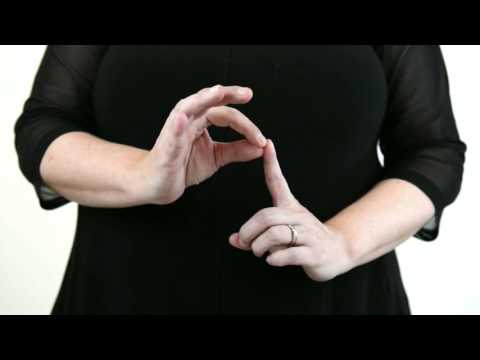
- Start with your dominant hand in a flat handshape, fingers extended and together.
- Position your hand in front of your chest, palm facing inward.
- Move your hand in a slight circular motion to represent the concept of the alphabet.
- Maintain a neutral facial expression, or smile to convey openness and friendliness.
Common Mistakes
- Some learners may confuse the handshape, using a fist instead of a flat hand.
- Others might forget to include the circular motion, making the sign unclear.
- Facial expressions are often overlooked, which can affect the clarity of the sign.
Related Signs
- 0 In Auslan – Sign for the number zero in Auslan.
- 1 – The sign representing the number one.
- 10 – The sign for the number ten.
- – Hello How Are You – A common greeting in Auslan.
- #Auslan Latest – Latest updates on Auslan signs.
Using “Alphabet” in Everyday Conversations
The sign for “Alphabet” is commonly used in various situations, especially when discussing spelling, names, or educational contexts. Here are a few example sentences that demonstrate how to incorporate this sign into everyday conversations:
- When introducing yourself: “MY NAME ALPHABET S-P-E-L-L.” This is a natural way to inform someone how to spell your name.
- In a classroom setting: “LET’S PRACTICE ALPHABET TOGETHER.” This encourages students to engage with the letters actively.
- While chatting with friends: “DO YOU KNOW ALPHABET IN SIGN?” This question often leads to discussions about sign language skills.
These examples highlight how the sign “Alphabet” can flow naturally within conversations, enhancing communication and connection.
Cultural Notes
The sign for “Alphabet” holds a significant place within the Australian Deaf community, reflecting the importance of literacy and education. The Deaf culture in Australia values communication methods, and the alphabet is a foundational component for teaching spelling and names, both in Auslan and in written English.
There can be slight variations in how the sign is produced across different regions; for instance, some northern areas may use a more fluid motion compared to southern dialects. These regional differences are a testament to the rich diversity within the Deaf community in Australia. Understanding these subtleties can enhance communication and foster a sense of belonging.
Tips for Learning This Sign
Practicing the sign “Alphabet” can be fun and engaging. Here are some effective strategies to help you learn and remember it:
- Mirror Practice: Use a mirror to observe your handshape and movement. This allows you to self-correct and ensure you’re signing accurately.
- Focus on Non-Manual Features: Pay attention to facial expressions and body language while signing. These non-manual features enhance the meaning and context of your signs.
- Integrate in Short Sentences: Try using “Alphabet” in different contexts, such as “I LOVE ALPHABET” or “ALPHABET IS FUN.” This will help you feel more comfortable using the sign in conversation.
With consistent practice and engagement, you will find yourself using the sign for “Alphabet” confidently in your daily interactions.
Frequently Asked Questions
How can I use “alphabet in Auslan” in a sentence?
You might say, “Can you show me the alphabet in Auslan?” during a conversation about learning the language.
Are there regional variations of this sign?
While the sign for “alphabet in Auslan” is generally consistent, some regions may have slight variations in hand movement.
What are some similar signs?
Signs for numbers, such as 1 or 10, have their own specific handshapes but can be practiced similarly.
How does this sign compare to BSL?
There are differences in the alphabet signs between Auslan and British Sign Language (BSL), as each has its unique structure and handshapes.
What are some teaching tips for this sign?
Practice regularly and encourage learners to use facial expressions, as they play a vital role in Auslan communication.
Practice ASL Signs
Use your camera to practice signs and get real-time AI feedback on your technique.
Free · No signup required