Practice sign language with AI coachingTry it free →
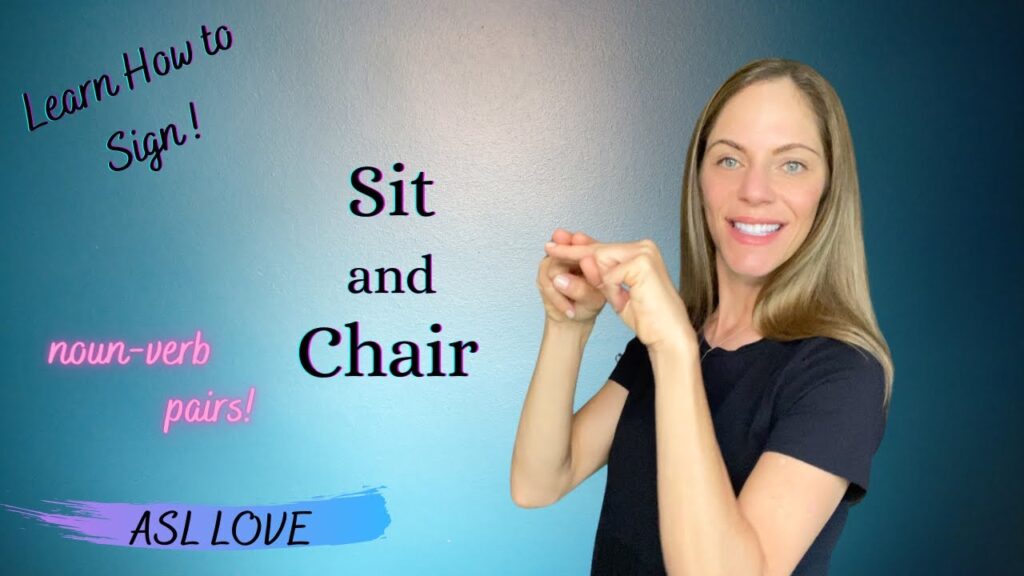
The sign for “sit down” is a useful gesture that conveys the action of taking a seat. It can be used in various contexts, such as in classrooms, meetings, or casual conversations when inviting someone to sit. This sign is straightforward and is often accompanied by a friendly facial expression to enhance communication.
You can incorporate the ‘sit down’ sign in sentences by pairing it with other signs or facial expressions for clarity. For example, you might sign ‘please sit down’ by combining the sign for ‘please’ with the ‘sit down’ sign to create a polite invitation.
Are there regional variations of the ‘sit down’ sign?
Yes, regional variations do exist within ASL. In some areas, the sign may be performed with a different handshape or movement. It’s beneficial to observe local Deaf community members to learn any specific variations used in your region.
Is there a difference between formal and informal usage of the ‘sit down’ sign?
The ‘sit down’ sign can be used in both formal and informal contexts without significant changes. However, in a formal setting, you might accompany the sign with a polite facial expression to emphasize respect and courtesy.
What are some signs that are similar to ‘sit down’ and can be easily confused?
The signs for ‘sit down’ and ‘stand up‘ share similar hand movements, which can lead to confusion. Additionally, the sign for ‘stay’ can look somewhat similar, so it’s essential to pay attention to the context and the direction of the movement to convey the correct meaning.
How does the ‘sit down’ sign compare to BSL (British Sign Language)?
In BSL, the sign for ‘sit down’ is different from ASL, often involving a more distinct gesture. Understanding these differences is important for effective communication, especially when interacting with individuals from the British Deaf community.
What are some effective teaching tips for the ‘sit down’ sign?
When teaching the ‘sit down’ sign, demonstrate it clearly and encourage students to practice in pairs. Using role-playing scenarios where students invite each other to sit can help reinforce the sign in context and make learning more engaging.