Practice sign language with AI coachingTry it free →
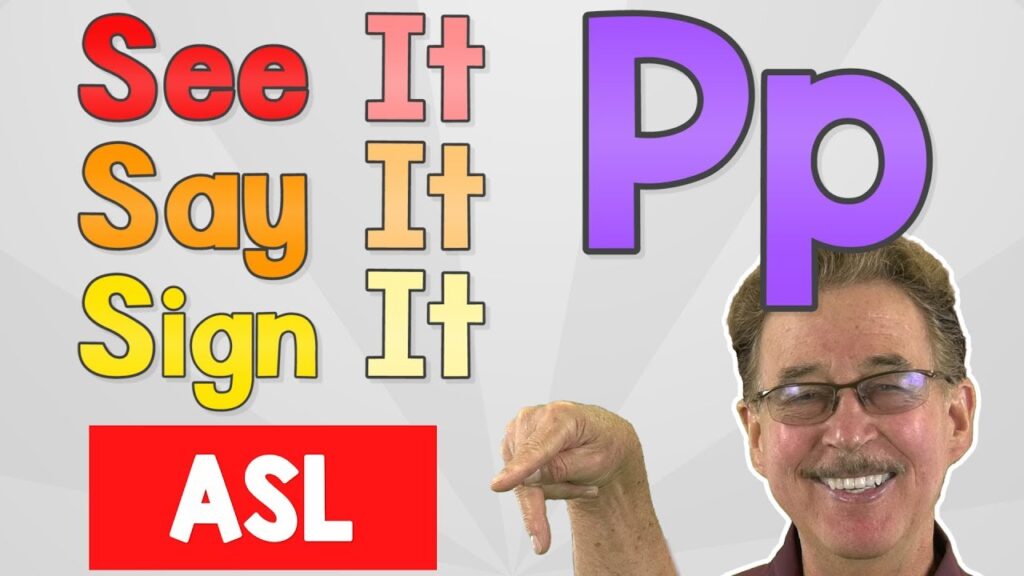
The sign for “P” in American Sign Language (ASL) represents the letter itself and is commonly used when fingerspelling or spelling out words. It’s an essential part of ASL, especially when communicating names or specific terms that require individual letter representation.
Last reviewed: March 15, 2026
Frequently Asked Questions
How can I incorporate the ‘P’ sign into sentences?
You can use the ‘P’ sign when fingerspelling names or words that start with ‘P’ within a sentence. For example, if you’re introducing someone named ‘Paul’, you would sign ‘P’ and then continue with the rest of the name, ensuring clear communication.
Are there regional variations of the ‘P’ sign in ASL?
While the ‘P’ sign is generally consistent across most ASL regions, some local variations may exist based on the community or context. It’s always a good idea to observe native signers in your area to learn any subtle differences.
Is there a difference between formal and informal usage of the ‘P’ sign?
The ‘P’ sign itself remains the same whether in formal or informal contexts; however, the context in which you use it may change. In formal settings, ensure clarity when fingerspelling, while in casual conversations, you may use it more swiftly and fluidly.
What are some signs that are similar to the ‘P’ sign that I should watch out for?
The ‘P’ sign can be easily confused with the ‘B’ sign due to their similar hand shapes and placements. Pay careful attention to the orientation of the fingers and the positioning of the hand to avoid misunderstandings when communicating.
How does the ‘P’ sign compare to British Sign Language (BSL)?
In BSL, the sign for ‘P’ differs significantly from ASL. While the ASL ‘P’ uses a specific handshape with the palm facing out, BSL may often use a completely different hand configuration. Understanding these differences is essential for effective communication across sign languages.
What are some tips for teaching the ‘P’ sign to beginners?
When teaching the ‘P’ sign, start by demonstrating the correct handshape and position clearly. Encourage students to practice in front of a mirror to ensure they are mimicking the sign accurately, and incorporate fun activities like fingerspelling names to reinforce learning.