
Again in Sign Language (ASL)
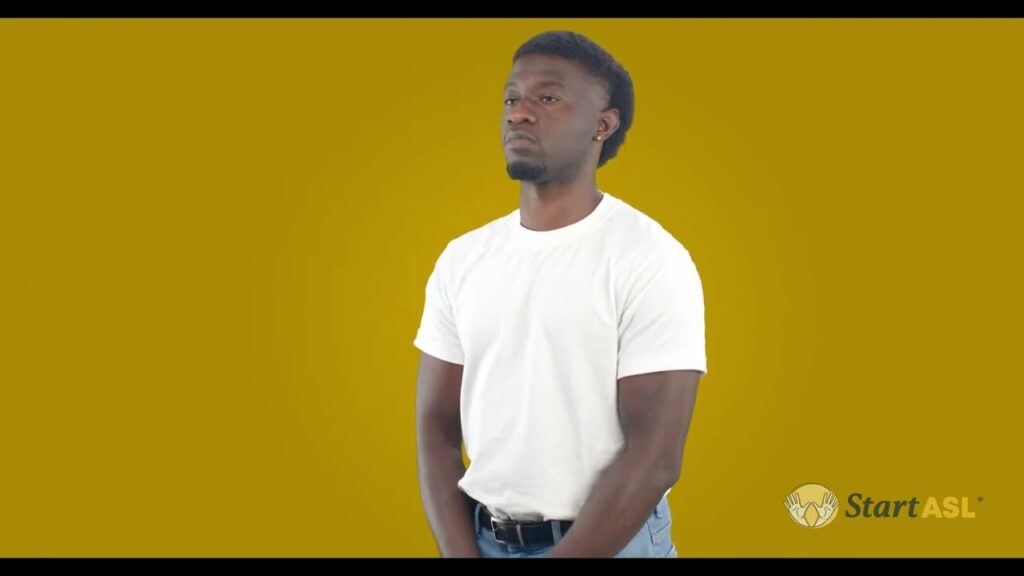
The sign “Again” is a versatile expression used to indicate repetition or the desire for something to happen once more. It’s commonly employed in everyday conversations, whether you’re asking for a second helping of food, requesting someone to repeat what they just said, or indicating that you want to see something happen again. Understanding this sign is essential for effective communication in various contexts.
[VIDEO_PLACEHOLDER]
Table of Contents
How to Form “Again”
- Handshape: Start with a flat hand (the dominant hand) in a ‘B’ shape, where the fingers are extended and together, and the thumb is wrapped around the palm.
- Location: Position your dominant hand in front of your body, about waist high.
- Movement: Bring the dominant hand forward and back toward yourself in a gentle, circular motion, as if you are taking something and bringing it closer again.
- Non-manual signals: Facial expressions play a crucial role while signing “Again.” A slight nod or an inquisitive look can enhance the meaning, indicating a request or desire for repetition.
This sign effectively conveys the concept of repetition or returning to a previous action. It’s important to use the appropriate facial expressions to reinforce the intent behind the sign.
Using “Again” in Everyday Signing
Incorporating “Again” into your conversations can help clarify your intentions. For example, if you’re watching a movie and want to see a specific scene again, you could sign “Again” after pointing to the screen. Similarly, if someone tells a joke that you find amusing, you can ask them to tell it “Again” by signing the word, along with an enthusiastic facial expression.
Common Mistakes to Avoid
One common error when using “Again” is using the wrong movement. Ensure that the circular motion of your hand is clear and confident. Additionally, some learners forget to incorporate facial expressions, which can lead to misunderstandings. Always remember that ASL is a visual language, and your expressions contribute significantly to the meaning.
Related Signs
Familiarizing yourself with signs related to “Again” can enhance your vocabulary:
- Repeat: Used when asking someone to do something again.
- Do It Again: A more emphatic way to request repetition.
- Another: Signifies an additional item or occurrence.
- Replay: Often used in the context of video content.
Deaf Cultural Note
In Deaf culture, the concept of repetition is often celebrated in storytelling and humor. Deaf individuals frequently enjoy recounting stories or jokes multiple times, enhancing the experience through repeated engagement. When you sign “Again” in these contexts, you not only communicate your desire for repetition but also show an appreciation for the richness of shared experiences in the Deaf community.
FAQ
How is “Again” different from “Repeat”?
While both signs convey a desire for something to happen again, “Again” is often used in a more casual context, whereas “Repeat” may imply a formal request for repetition.
Can “Again” be used in a negative context?
Yes, “Again” can be used when expressing frustration, such as when something undesirable happens repeatedly. The facial expression accompanying the sign will convey this emotion.
Is “Again” used the same way in all Deaf cultures?
While the sign may look similar, its usage can vary slightly depending on regional dialects within the Deaf community. Always be attentive to local signing styles.
What age can children start learning the sign “Again”?
Children can begin to learn “Again” as early as they begin communicating. It’s a useful sign for reinforcing concepts of repetition in their daily interactions.
Are there any variations of the sign for “Again”?
There may be slight variations in the movement or facial expressions depending on the region, but generally, the concept remains consistent across ASL users.
Practice ASL Signs
Use your camera to practice signs and get real-time AI feedback on your technique.
Free · No signup required