
NZSL Interpreters Nz in New Zealand Sign Language (NZSL)
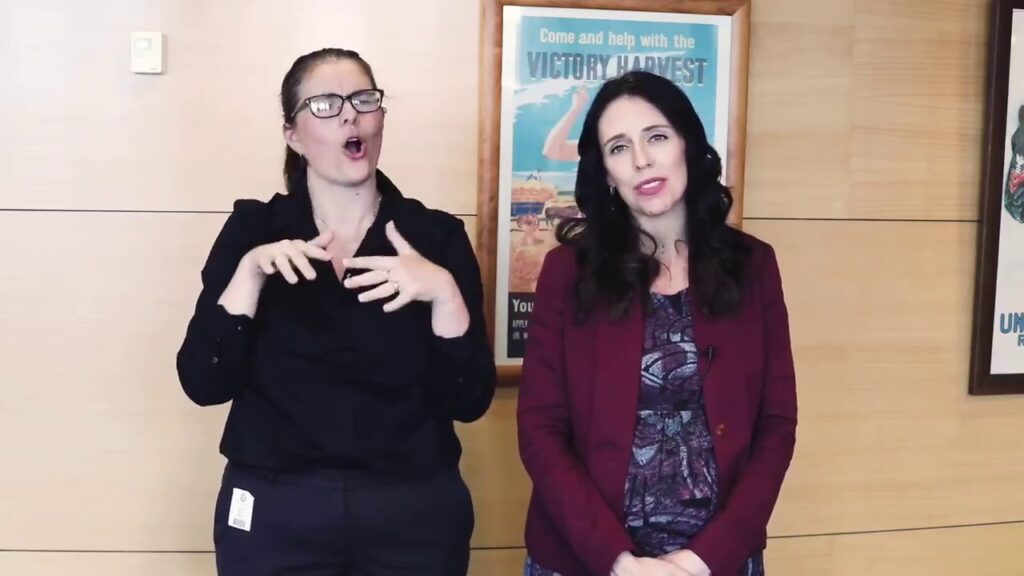
The sign for “nzsl interpreters nz” is used in the New Zealand Deaf community to refer to professionals who facilitate communication between Deaf and hearing individuals using New Zealand Sign Language (NZSL). This sign celebrates the importance of interpreters in bridging the communication gap and is often used in discussions about accessibility, events, and services for the Deaf community.
Table of Contents
How to Sign “Nzsl Interpreters Nz” in NZSL
- Begin with your dominant hand in a ‘C’ shape, palm facing towards you. This represents the sign for “NZSL”.
- Move your hand slightly forward and then downwards in a smooth motion, while maintaining the ‘C’ shape.
- Next, use both hands to sign “interpreters”. Place your dominant hand in front of your non-dominant hand, which is flat with the palm facing up. The dominant hand should mimic a motion of interpreting by moving from the non-dominant hand to the side.
- Finally, sign “NZ” by forming the letters ‘N’ and ‘Z’ with your dominant hand, making sure to clearly show the shapes of the letters.
- Throughout the sign, maintain an engaging facial expression that conveys the importance of interpreters in the Deaf community.
Common Mistakes
- Forgetting to use facial expressions, which are vital in conveying meaning in NZSL.
- Not clearly forming the letters ‘N’ and ‘Z’ at the end of the sign, which can lead to confusion.
- Using a flat handshape instead of the ‘C’ shape for “NZSL”, which can alter the meaning.
NZSL vs ASL
In NZSL, the sign for “nzsl interpreters nz” has distinct hand shapes and movements that reflect the unique aspects of New Zealand culture. In comparison, ASL uses different signs and may not incorporate the same regional influences or letter formations, showcasing the differences in sign language structure and cultural context.
Related Signs
- Interpreter – Refers to the person who translates spoken language into sign language.
- Accessibility – Represents the importance of making spaces and services available to everyone, including the Deaf community.
- Community – Signifies the collective of Deaf individuals and their shared experiences.
- Communication – Refers to the exchange of information, crucial for Deaf and hearing interactions.
- Education – Highlights the importance of learning and teaching within the Deaf community.
Frequently Asked Questions
How do I use “nzsl interpreters nz” in a sentence?
You can use this sign when discussing an event that requires an interpreter, such as: “We need nzsl interpreters nz for the workshop.”
Are there regional variations for this sign in New Zealand?
While the core sign remains the same, some regions may have slight variations in handshape or movement. It’s always good to learn from local users.
What are some similar signs to “nzsl interpreters nz”?
Similar signs include “interpreter”, “accessibility”, and “community”. These signs are often used together in discussions about Deaf services.
What tips do you have for learning this sign?
Practice in front of a mirror to ensure your hand shapes and movements are accurate, and engage with Deaf community members for feedback.
Can I use this sign in formal settings?
Yes, this sign is appropriate for both formal and informal settings when discussing interpreting services.
How does this sign connect to NZSL culture?
This sign reflects the value placed on interpreters within the Deaf community, highlighting their role in fostering communication and inclusion.
Practice This Sign
Try signing Nzsl Interpreters Nz with your camera and get AI coaching on your handshape, movement, and location.
Free · No signup required