
Night in Sign Language (ASL)
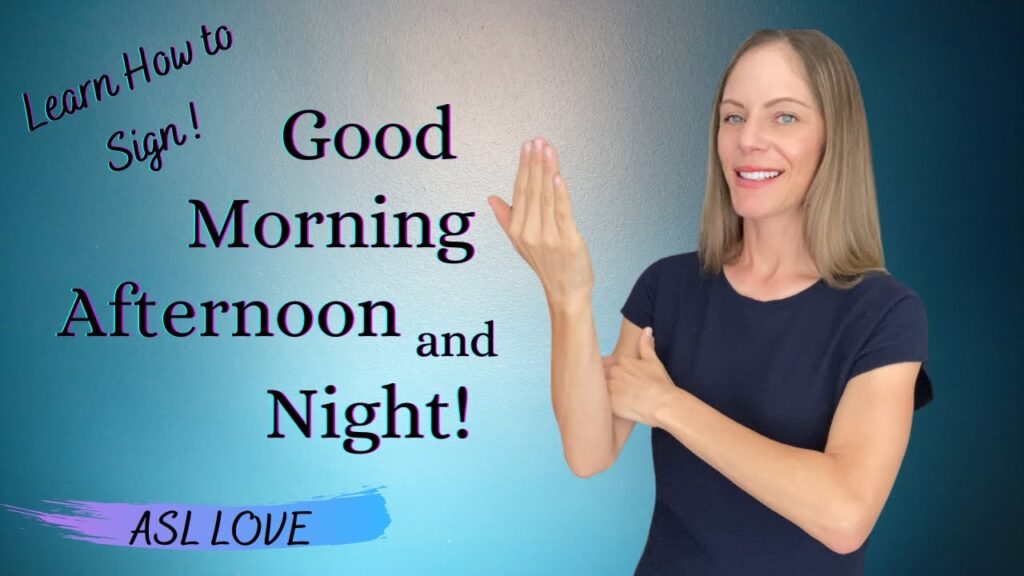
The sign for Night represents the time of day when the sun has set and darkness prevails. It is commonly used in conversations about daily routines, bedtime, and describing different times of day. This sign is essential for discussing various activities that occur at night, such as going out, sleeping, or enjoying nighttime events.
[VIDEO_PLACEHOLDER]
Table of Contents
How to Form the Sign “Night”
- Handshape: Use the dominant hand in a flat handshape (the palm is facing down).
- Location: Start with your dominant hand near your forehead.
- Movement: Move your hand downward in a smooth motion until it is near your chest, while keeping the palm facing down throughout the motion.
- Non-manual signals: Optional facial expressions can enhance the meaning, such as a relaxed or calm expression to indicate the peacefulness of night.
This sign effectively conveys the concept of night through its fluid motion and distinct handshape. By moving your hand from a higher position to a lower one, you create a visual representation of the transition from day to night.
Using “Night” in Sentences
Incorporating the sign for Night into your sentences can help clarify your message. For example, you might sign “I sleep at night” by combining the signs for “I,” “sleep,” and “night.” Another example could be expressing “It is dark at night,” using the sign for “dark” in conjunction with “night” to emphasize the time of day. These combinations make your communication clearer and more engaging.
Signs Related to “Night”
To enrich your signing vocabulary, here are some related signs:
- Day – Represents the time when the sun is up.
- Sleep – Signifying the action of resting, often associated with night.
- Dark – Describing the absence of light, which is a common feature of night.
- Moon – The celestial body visible at night, often discussed when referring to nighttime.
- Star – Represents the stars that are visible when it’s night.
Regional Variations of the Sign
The sign for Night may have variations depending on the region. For instance, in some areas, the movement may be more exaggerated or involve different handshapes. Always be attentive to local signing styles and variations, as this can enrich your understanding and fluency in ASL. Engaging with the Deaf community in your area can also help you familiarize yourself with any regional differences in signs.
Common Confusion with Similar Signs
Sometimes, learners might confuse the sign for Night with other signs like “Evening” or “Dark.” While they all relate to the absence of daylight, it’s essential to notice the nuances in timing and context. “Evening” typically refers to the period right before nightfall, whereas “Night” signifies the time when it is fully dark. This distinction can help clarify your message and avoid misunderstandings.
FAQ
What is the difference between “Night” and “Evening”?
“Night” refers to the time after sunset when it is dark, while “Evening” indicates the time leading up to night, usually associated with twilight.
Can I use facial expressions while signing “Night”?
Yes! Incorporating facial expressions can add emotional context to your sign and convey feelings related to night, such as calmness or excitement.
Are there any cultural aspects associated with the sign for “Night”?
Yes, in Deaf culture, many social gatherings and activities occur at night. Understanding its significance can help you connect with the community better.
Is there a specific context where “Night” is most commonly used?
The sign for Night is often used in conversations about bedtime, safety, and planning evening outings or events.
How can I practice the sign for “Night” effectively?
Practice the sign in front of a mirror, ensuring you get the movement and handshape correct, and try using it in sentences with friends or in a signing group.
Practice ASL Signs
Use your camera to practice signs and get real-time AI feedback on your technique.
Free · No signup required