
Star in Sign Language (ASL)
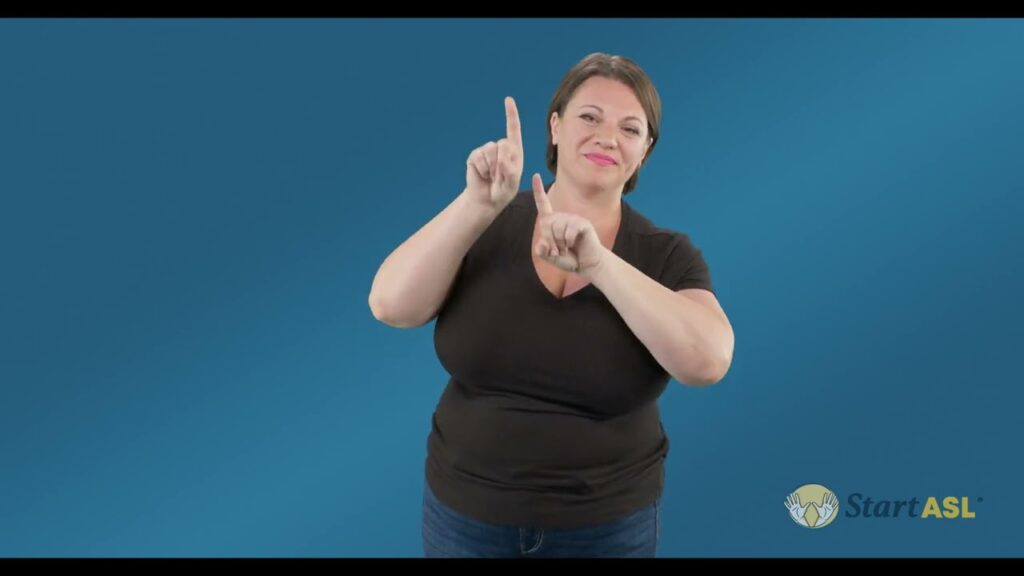
The sign “Star” represents the celestial object we see shining at night, as well as metaphorical uses, such as referring to someone prominent or famous. It is often used in contexts discussing astronomy, wishes (like wishing upon a star), or describing someone as a star performer in their field.
[VIDEO_PLACEHOLDER]
Table of Contents
Forming the sign
- Handshape: The dominant hand forms a flat ‘5’ handshape, with fingers spread apart. This symbolizes the twinkling nature of a star.
- Location: The sign is typically made at about eye level, indicating the position of a star in the sky.
- Movement: The hand moves slightly away from the body in a gentle, fluttering motion, evoking the sparkle of a star. The motion can vary in size based on the emphasis you want to convey.
- Non-manual signals: Raise your eyebrows slightly while performing the sign to add excitement or emphasis. This facial expression enhances the meaning of the sign, making it more animated.
To sum up, the sign for “Star” uses a flat handshape to represent the twinkling object in the sky, with a gentle fluttering movement that brings it to life. The use of non-manual signals adds emotional depth, making it clear whether you are simply mentioning a star or expressing something more significant, like a wish or admiration.
Using “Star” in sentences
The sign “Star” can be incorporated into various sentences, making it versatile for different contexts. For instance:
- To express a desire, you might sign: “I want to be a star,” using “Star” to indicate your aspiration for fame or excellence.
- In a conversation about the night sky, you could sign: “Look at the stars,” pointing up to the imagined stars in the sky.
- If discussing a favorite movie, you might say: “My favorite actor is a star,” indicating their prominence in the film industry.
These examples illustrate how “Star” is used to convey different meanings, from aspirations to observations of the natural world.
Signs related to “Star”
There are several signs closely related to “Star” that can enrich your vocabulary. These include:
- Sky – The vast expanse above, where stars can be found.
- Moon – Another celestial body often mentioned with stars.
- Sun – The star at the center of our solar system, crucial for life on Earth.
- Night – The time when stars are visible, enhancing the contextual use of “Star.”
- Wish – Often associated with wishing upon a star, giving it a deeper cultural meaning.
Regional variation
While the sign for “Star” is widely recognized, there can be slight variations in its execution depending on the region or community. For instance, some Deaf communities might incorporate a more pronounced movement or a different handshape to emphasize the twinkling aspect of stars. It’s always beneficial to observe and learn from native signers within your community to appreciate these differences. Engaging with the local Deaf community can also provide insights into how cultural contexts shape the use of signs.
FAQ
What is the significance of using facial expressions with “Star”?
Facial expressions add emotion and context. For “Star,” raised eyebrows can indicate excitement or emphasis, enhancing the sign’s meaning.
Can “Star” be used to describe people other than celestial bodies?
Yes, “Star” can refer to someone who is prominent or talented in their field, such as a “star athlete” or “star performer.”
Are there other signs for celestial objects?
Yes, related signs like “Moon” and “Sky” can be used in conjunction with “Star” for richer descriptions of the night sky.
Is “Star” commonly used in storytelling?
Absolutely! “Star” can be used in storytelling, especially when discussing fairy tales or dreams, where wishing upon a star is a common theme.
How can I practice the sign “Star” effectively?
Practice in front of a mirror to ensure your movements and facial expressions are clear. Joining a Deaf community group can also provide valuable feedback.
Practice ASL Signs
Use your camera to practice signs and get real-time AI feedback on your technique.
Free · No signup required