Practice sign language with AI coachingTry it free →
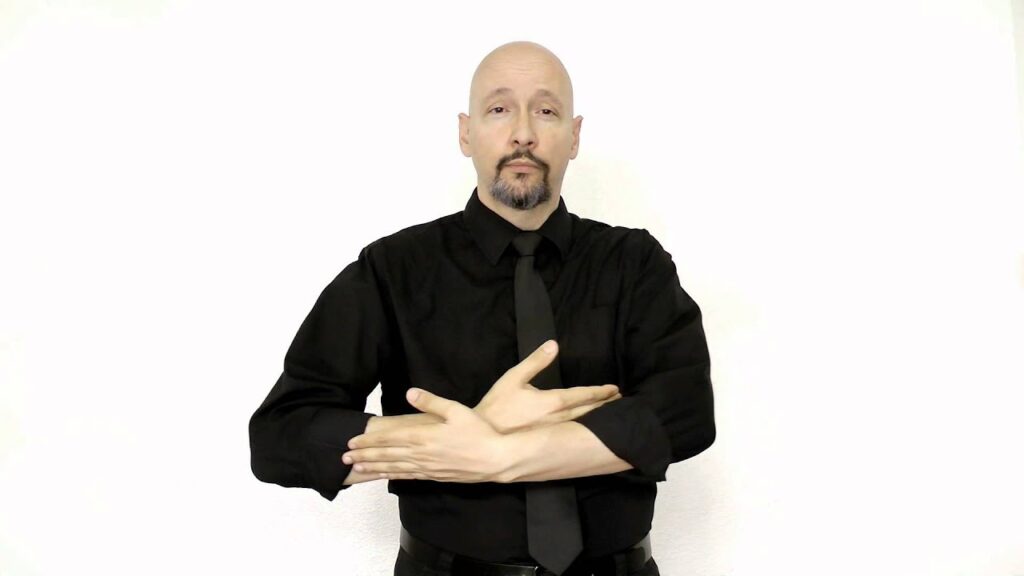
The sign for “babysitter” is a useful term in both everyday conversations and discussions about childcare. It refers to someone who is responsible for looking after children, typically when parents are away. This sign is particularly common among parents, caregivers, and those involved in childcare discussions.
Last reviewed: March 15, 2026
Frequently Asked Questions
How can I use the sign for ‘babysitter’ in a sentence?
You can incorporate the sign for ‘babysitter’ into sentences by placing it after the subject. For example, you might sign, ‘I need a babysitter,’ using the sign for ‘I’ followed by the sign for ‘need’ and then ‘babysitter.’ This structure helps clarify your message.
Are there regional variations of the sign for ‘babysitter’?
Yes, like many ASL signs, ‘babysitter’ can have variations depending on the region. Some signers may use different handshapes or movements based on local dialects, so it’s beneficial to observe and practice with native signers from your area to understand these nuances.
Is there a difference between formal and informal usage of the sign?
While the sign for ‘babysitter’ remains the same, the context in which you use it can vary. In formal situations, you might use it in more structured sentences, while in casual conversations, it may be integrated more fluidly with other signs, reflecting the relaxed nature of informal communication.
What are some signs that are similar to ‘babysitter’ and can be easily confused?
Signs like ‘caregiver’ or ‘nanny’ might be easily confused with ‘babysitter’ due to similar handshapes and movements. Pay attention to the context and accompanying signs to differentiate them effectively.
How does the sign for ‘babysitter’ compare to British Sign Language (BSL)?
In BSL, the sign for ‘babysitter’ is different and may involve a combination of signs related to ‘child’ and ‘care.’ It’s a good idea to learn BSL signs separately, as they can vary significantly from ASL, reflecting the unique aspects of each sign language.
What are some teaching tips for effectively learning the sign for ‘babysitter’?
To teach the sign for ‘babysitter,’ use visual aids like flashcards and encourage students to practice in pairs. Incorporating role-play scenarios can also help reinforce the sign’s usage in context, making it more relatable and easier to remember.
What is the significance of the handshape in ‘babysitter’?
The open ‘B’ handshape represents the nurturing and caring nature of a babysitter, making it more visually connected to the meaning.
Can I use this sign for other childcare roles?
While ‘babysitter’ specifically refers to someone who sits with children, the sign can also be understood in a broader context of childcare roles.