
When Was NZSL Made an Official Language in New Zealand Sign Language (NZSL)

The sign for “when was NZSL made an official language” is often used in discussions about the history and recognition of New Zealand Sign Language within the Deaf community. It highlights a significant milestone that took place in 2006 when NZSL was officially recognized as one of New Zealand‘s languages. This sign can be used in various contexts, especially when discussing rights, culture, and the evolution of NZSL.
Table of Contents
How to Sign “When Was Nzsl Made An Official Language” in NZSL
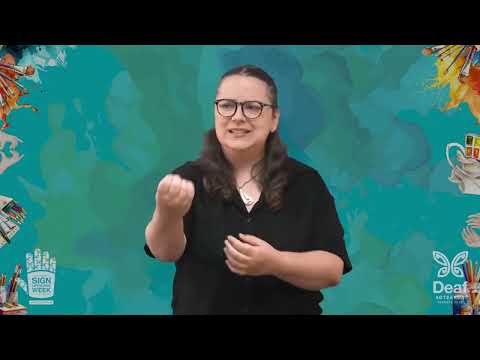
- Start with your dominant hand in a ‘W’ handshape (three fingers extended) and hold it near your chin.
- Move your hand outward from your chin while maintaining the ‘W’ shape. This signifies “when.”
- Transition to a flat hand (palm facing down) and place it in front of you. This represents “NZSL.”
- For “made an official language,” use your non-dominant hand in a flat ‘O’ shape (like a circle) and place it above your flat hand, then move the ‘O’ hand downward, indicating the recognition.
- Throughout the signing, maintain a curious and engaged facial expression to convey the context of the question.
Common Mistakes
- Forgetting to use facial expressions, which are crucial in NZSL for conveying the tone and intention of the sign.
- Using the wrong handshape, such as a flat hand instead of a ‘W’ for “when.”
- Not showing the progression of time adequately, which can lead to confusion about the question being asked.
NZSL vs ASL
In NZSL, the sign for “when was NZSL made an official language” incorporates unique elements that reflect local culture and language features. In contrast, ASL uses different handshapes and movements to convey similar concepts. For instance, ASL may not emphasize the same historical context as NZSL does, reflecting the distinct cultural backgrounds of the two sign languages.
Related Signs
- 1: The sign for the number one.
- 10: The sign for the number ten.
- 100: The sign for the number one hundred.
- NZSL: The sign for New Zealand Sign Language itself.
- ASL: The sign for American Sign Language.
Frequently Asked Questions
How can I use this sign in a sentence?
You can use this sign to ask about the history of NZSL, such as, “Do you know when NZSL was made an official language?”
Are there regional variations of this sign across New Zealand?
While the core sign remains consistent, some regional dialects may influence the handshape or movement slightly, so it’s good to learn from local Deaf community members.
What are similar signs I should know?
Signs for “language,” “history,” and “official” can enrich your vocabulary related to this topic.
What tips do you have for mastering this sign?
Practice in front of a mirror to ensure your facial expressions match your signing. Watching native signers can also help.
Is this sign used in Deaf education?
Yes, this sign is commonly used when discussing NZSL’s status and rights in educational settings.
Can I use this sign in formal discussions?
Absolutely! This sign is appropriate in both casual and formal discussions about NZSL.
What resources can I use to learn more about NZSL?
Consider joining local Deaf community events or accessing online platforms that focus on NZSL education.
Practice This Sign
Try signing When Was Nzsl Made An Official Language with your camera and get AI coaching on your handshape, movement, and location.
Free · No signup required