
Users Access to Healthcare in New Zealand Sign Language (NZSL)
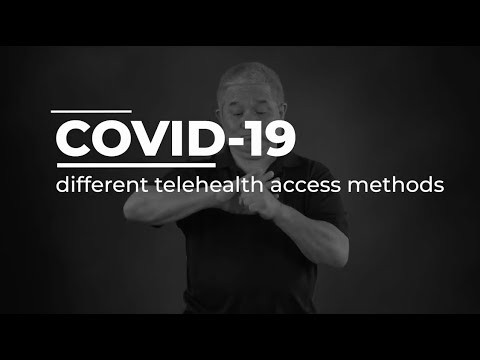
The sign “deaf New Zealand Sign Language users access to healthcare” is an important concept within the Deaf community in New Zealand. It highlights the need for equitable healthcare services tailored to the unique needs of Deaf individuals who use NZSL. This sign is commonly used in discussions around healthcare access, rights, and advocacy within the community.
Table of Contents
How to Sign “Users Access To Healthcare” in NZSL
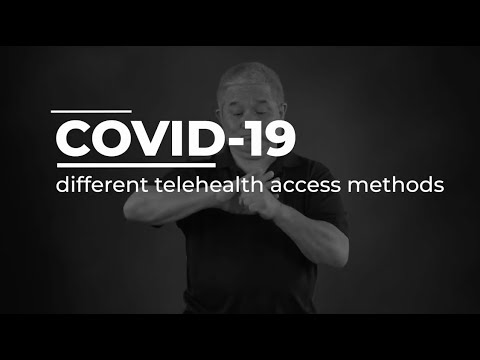
- Start with your dominant hand in a flat “B” handshape, palm facing down, and place it near your forehead to represent “deaf.”
- Move your hand forward and slightly away from your forehead while maintaining the handshape, indicating the transition from the concept of being Deaf to the users.
- Next, use both hands to form the sign for “users.” Place your non-dominant hand in a flat “B” handshape and your dominant hand in a flat “B” handshape above it, then move the dominant hand downwards, showing the idea of individuals using NZSL.
- For “access,” open both hands into a flat “B” handshape and move them towards your chest, symbolizing the idea of gaining access.
- Finally, for “healthcare,” use both hands in a “C” handshape, palms facing each other, and move them outward from your body to indicate the availability of healthcare services.
Common Mistakes
- Using incorrect hand shapes; make sure your hands are in the right positions throughout the sign.
- Rushing through the sign; take your time to clearly articulate each component for better understanding.
- Neglecting facial expressions; remember that facial expressions are a vital part of conveying the meaning in NZSL.
NZSL vs ASL
In NZSL, the sign for “deaf New Zealand Sign Language users access to healthcare” is distinct from ASL. While ASL may use similar signs for “deaf” and “healthcare,” the overall structure and specific hand movements differ. This reflects the unique linguistic features and cultural contexts of each sign language.
Related Signs
- 1 – The sign for the number one in NZSL.
- 10 – The sign for the number ten in NZSL.
- 100 – The sign for the number one hundred in NZSL.
- 12 – The sign for the number twelve in NZSL.
- 13 – The sign for the number thirteen in NZSL.
Frequently Asked Questions
How can I use this sign in a sentence?
You can say, “Deaf users access to healthcare is vital for our community,” using the sign for “deaf” at the beginning and then signing “users access to healthcare.”
Are there regional variations for this sign in New Zealand?
While the core sign remains consistent, some regions may have slight variations in hand shapes or facial expressions, reflecting local signing styles.
What are some similar signs?
Similar signs include “deaf,” “health,” and “access,” each of which conveys related concepts and may be used in various contexts.
What tips do you have for learning this sign?
Practice consistently in front of a mirror, focus on your facial expressions, and try to learn from a fluent NZSL user for proper technique.
Can I use this sign when discussing healthcare in general?
Yes, this sign is versatile and can be used in broader discussions about healthcare access for Deaf individuals.
What resources are available for learning NZSL?
Many online platforms, local community classes, and organizations offer resources for learning NZSL, including video tutorials and workshops.
Practice This Sign
Try signing Users Access To Healthcare with your camera and get AI coaching on your handshape, movement, and location.
Free · No signup required