
(rest) Break in New Zealand Sign Language (NZSL)
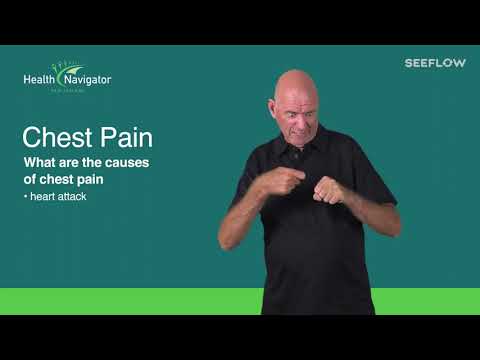
The sign for “(rest) break” in NZSL is used to indicate a pause or time out from an activity. It can be used in both casual conversations and more formal settings, such as during meetings or classes, to signal a need for a moment of rest or relaxation.
Table of Contents
How to Sign “(Rest) Break” in NZSL
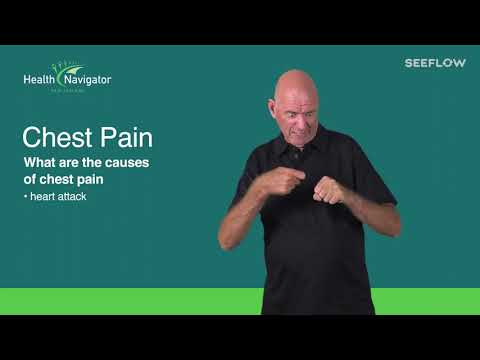
- Start with your dominant hand in a flat handshape (similar to the sign for “flat”).
- Position your dominant hand in front of your chest, palm facing down.
- With your non-dominant hand, form a fist and place it underneath your dominant hand.
- Gently lower your dominant hand onto the fist of your non-dominant hand, as if resting it.
- Maintain a relaxed facial expression to convey the meaning of taking a break.
Common Mistakes
- Forgetting to use a relaxed facial expression, which is essential for conveying the meaning of taking a break.
- Using the wrong handshape or position; ensure your dominant hand is flat and your non-dominant hand is a fist underneath.
- Not pausing long enough in the sign, which can confuse the meaning of a break versus a different action.
NZSL vs ASL
In NZSL, the sign for “(rest) break” emphasizes the action of resting one hand on top of another to signify a pause. In contrast, ASL uses a different handshape and movement, focusing more on the concept of stopping. This highlights the unique characteristics of each sign language and their cultural contexts.
Related Signs
- (All Of) You – A sign used to refer to a group of people.
- (Be) Careful – A sign indicating caution or carefulness.
- (Baby’s) Dummy – Refers to a pacifier used for infants.
- (Be) Born, (Give) Birth – Signifying the process of birth.
- (Be) Passive – Indicating a state of passivity or lack of action.
Frequently Asked Questions
How can I use “(rest) break” in a sentence in NZSL?
You could say, “I need a (rest) break” by signing the phrase with appropriate facial expressions to convey your need for rest.
Are there regional variations for this sign in New Zealand?
While the sign is generally consistent across New Zealand, some regions may have slight variations in hand movements or facial expressions. It’s beneficial to observe local users.
What are some similar signs to “(rest) break”?
Signs like “(be) careful” and “(all of) you” may share some aspects in terms of use in conversation, but have distinct meanings.
What tips do you have for learning this sign?
Practice regularly with native NZSL users and pay attention to their facial expressions to enhance your understanding of the sign’s context.
Is this sign used in formal settings?
Yes, the sign for “(rest) break” is appropriate for both informal and formal contexts, such as meetings or presentations.
Can I adapt this sign for different contexts?
Yes, you can use the sign in various contexts, but remember to adjust your facial expressions to match the setting, whether casual or formal.
Practice This Sign
Try signing (Rest) Break with your camera and get AI coaching on your handshape, movement, and location.
Free · No signup required