
Rainbow (Māori: āniwaniwa, kōpere) in New Zealand Sign Language (NZSL)
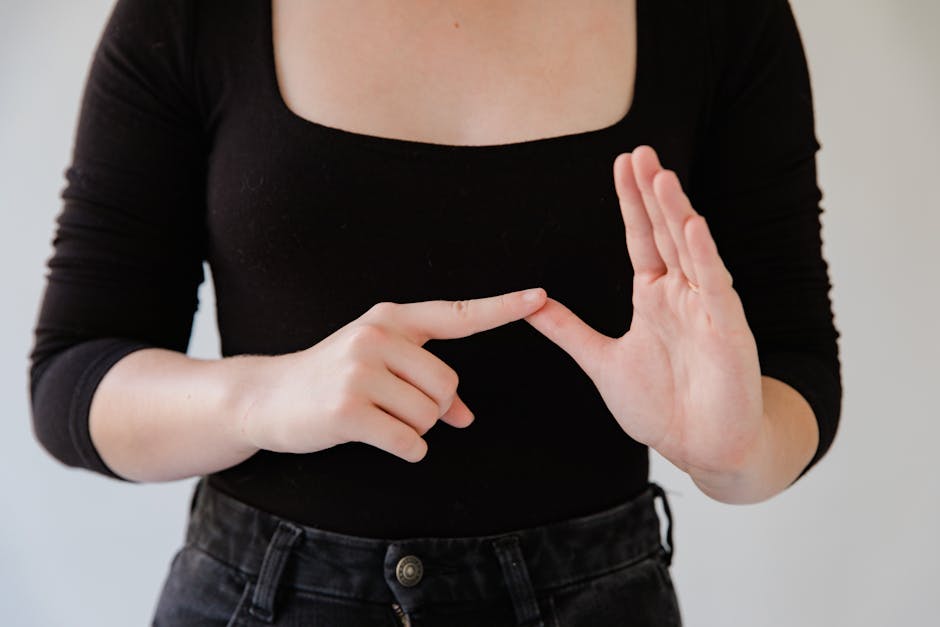
The sign “rainbowāniwaniwa, kōperenoun” represents the beautiful phenomenon of a rainbow. It is commonly used in the New Zealand Deaf community to describe not just the visual aspect of rainbows, but also the feelings of joy and hope they evoke. This sign is a lovely expression of nature’s beauty and can often be seen in conversations about weather, art, or cultural references.
Table of Contents
How to Sign “RainbowāNiwaniwa, KōPerenoun” in NZSL
- Start with your dominant hand in a flat “B” shape (palm facing down).
- Position your hand at the side of your head, near your temple.
- Move your hand in an arc upwards and slightly outwards, mimicking the shape of a rainbow.
- As you complete the arc, turn your palm to face upwards and slightly forward, indicating the transition from rain to sunlight.
- Use a cheerful facial expression to convey the positive emotion associated with rainbows.
Common Mistakes
- Some learners may forget to use the correct facial expressions, which are essential in NZSL to convey emotion.
- Confusing the hand shape; using a flat “B” hand shape is crucial for this sign, and learners sometimes use a different handshape.
- Not moving the hand in an arc, which can make the sign less recognizable as representing a rainbow.
NZSL vs ASL
In NZSL, the sign for “rainbowāniwaniwa, kōperenoun” utilizes a specific arc motion to illustrate the shape of a rainbow, while in ASL, the sign may differ in both handshape and movement. NZSL incorporates more cultural context and facial expressions, reflecting the unique characteristics of the NZ Deaf community.
Related Signs
- Sky: The expanse above us, often discussed alongside rainbows.
- Rain: The precipitation that often leads to the creation of a rainbow.
- Sunshine: The light that helps make a rainbow visible.
- Colour: Related to the vibrant hues of a rainbow.
- Happy: The emotion often felt when seeing a rainbow.
Frequently Asked Questions
Can I use “rainbowāniwaniwa, kōperenoun” in a sentence?
Absolutely! You could say “I saw a rainbowāniwaniwa, kōperenoun after the rain,” using the sign to emphasize the beauty of the moment.
Are there regional variations in how this sign is used?
While the sign is generally consistent across New Zealand, some regions may have slight variations in movement or facial expressions.
What similar signs should I know?
Other signs like Sky and Rain are closely related and can often come up in conversations about rainbows.
What tips do you have for learning this sign?
Practice in front of a mirror to ensure your handshape and movement are correct, and don’t forget to incorporate expressive facial features!
How can I incorporate this sign into storytelling?
When telling a story about weather or nature, use “rainbowāniwaniwa, kōperenoun” to enhance the imagery and evoke emotion in your audience.
Is this sign used in other contexts?
Yes, you can also use it metaphorically to discuss diversity or beauty in different aspects of life.
Practice This Sign
Try signing RainbowāNiwaniwa, KōPerenoun with your camera and get AI coaching on your handshape, movement, and location.
Free · No signup required