
Proud, Show Off in New Zealand Sign Language (NZSL)

The sign “proud” or “show off” in NZSL expresses a sense of pride or the act of showcasing one’s achievements or possessions. It is commonly used in social settings within the Deaf community to celebrate accomplishments or to express confidence. This sign reflects the rich cultural identity and values of the New Zealand Deaf community, emphasizing pride in heritage and achievements.
Table of Contents
How to Sign “Proud, Show Off” in NZSL
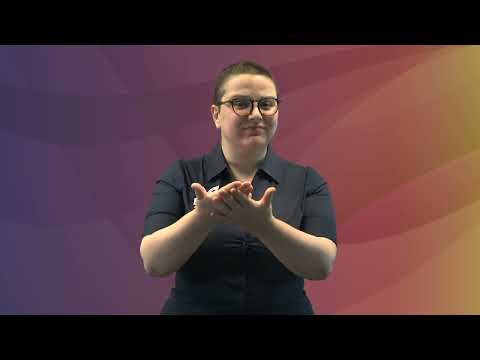
- Start with both hands in a “flat hand” shape (like a high five), palms facing towards your body.
- Position your hands at chest height, slightly apart, with your elbows bent.
- Move your hands outward and slightly upward from your chest, while keeping your palms facing outwards. This gesture should be confident and open.
- As you perform the movement, maintain a proud facial expression, perhaps with a smile or raised eyebrows to convey the emotion of pride.
Common Mistakes
- Not using enough movement; the sign should be dynamic to express pride effectively.
- Keeping hands too close to the body; the outward movement is crucial for conveying the meaning.
- Using a neutral or negative facial expression, which can contradict the intended meaning of pride.
NZSL vs ASL
In NZSL, the sign for “proud” emphasizes an outward and upward motion, reflecting an expressive display of pride. In contrast, ASL uses a different hand shape and movement that may not convey the same cultural nuance. Understanding these differences highlights the unique aspects of NZSL as it draws from its own cultural context.
Related Signs
- (All Of) You – A sign used to refer inclusively to a group.
- (Baby’s) Dummy – A sign for a baby’s pacifier, often used in parenting contexts.
- (Be) Careful – A sign expressing caution or a warning.
- (Be) Born, (Give) Birth – A sign related to childbirth and family.
Frequently Asked Questions
How can I use “proud” in a NZSL sentence?
You can use “proud” in a sentence like, “I am proud of my achievements,” by combining the sign with the appropriate signs for “I” and “achievements.”
Are there regional variations for this sign in NZ?
While the sign for “proud” is generally consistent across New Zealand, some regional variations may exist in facial expressions or subtle movements.
What other signs are similar to “proud”?
Signs like “happy” or “celebrate” convey similar emotions and can be used in related contexts.
Any tips for learning this sign?
Practice in front of a mirror to observe your facial expressions and movements. Watching native signers can also help.
What does it mean to “show off” in NZSL?
“Show off” conveys a sense of displaying something with pride, often related to achievements or possessions, similar to “proud.”
Can I use this sign in formal contexts?
Yes, “proud” can be used in both casual and formal settings, especially when discussing achievements during presentations or speeches.
Is this sign used in te reo Māori?
While this specific sign is not a te reo Māori sign, incorporating te reo into NZSL is encouraged, reflecting the bilingual nature of the Deaf community.
Practice This Sign
Try signing Proud, Show Off with your camera and get AI coaching on your handshape, movement, and location.
Free · No signup required