
Protect in New Zealand Sign Language (NZSL)

The sign for “protect” in NZSL conveys the idea of safeguarding or keeping safe from harm. It is often used in contexts related to personal safety, environmental protection, and caring for others, reflecting the values of the New Zealand Deaf community. This sign embodies both cultural significance and practical usage in everyday conversation.
Table of Contents
How to Sign “Protect” in NZSL
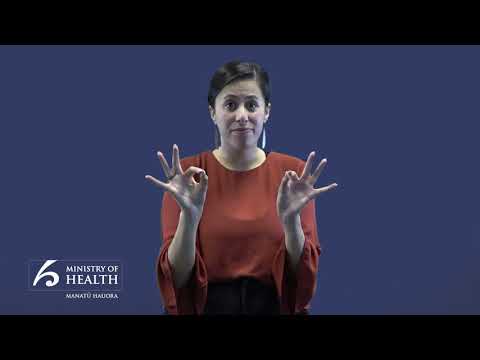
- Start with both hands open, palms facing inward, at shoulder height.
- Slowly move your hands together while bending your elbows slightly, creating a protective gesture as if enclosing something.
- Maintain a focused facial expression that conveys care and seriousness.
- End the sign with your hands close together, indicating a secure hold around the conceptual object being protected.
Common Mistakes
- Some learners may forget to use a serious facial expression, which can change the meaning of the sign.
- Inconsistent hand positioning can lead to confusion; ensure your hands are at shoulder height.
- Moving the hands too quickly can make the sign unclear; a steady motion is key for clarity.
NZSL vs ASL
In NZSL, the sign for “protect” focuses on the movement of both hands towards each other to create a protective space, while in ASL, the sign often uses a different handshape and movement pattern. Understanding these nuances highlights the unique features of NZSL and its development influenced by BSL and te reo Māori.
Related Signs
- (Be) Careful – a sign indicating caution or alertness.
- (Baby’S) Dummy – representing an object that provides comfort, often used in contexts of care.
- (Be) Passive – reflecting a state of being that might relate to protection in a different context.
- (All Of) You – a sign that can denote inclusivity, relevant in protective contexts.
Frequently Asked Questions
How can I use “protect” in a sentence?
You can sign “I protect my family” by incorporating signs for “I,” “protect,” and “family” together.
Are there regional variations of this sign in New Zealand?
While the sign is generally consistent across New Zealand, some regions may have slight variations in movement or facial expression.
What are some similar signs to “protect”?
Signs like “(Be) Careful” and “(Be) Passive” can convey related concepts of safety and caution.
What tips do you have for learning this sign?
Practice in front of a mirror to ensure correct hand positioning and facial expression. Watching others sign can also be very helpful.
Can I use this sign in a group setting?
Yes, “protect” can be used in group discussions, especially when talking about community safety or environmental issues.
What facial expressions should I use when signing “protect”?
A serious and focused expression is recommended to convey the importance of the sign effectively.
How does “protect” relate to cultural aspects of the Deaf community?
Protecting one another and advocating for rights and safety are key values in the Deaf community, making this sign culturally significant.
Practice This Sign
Try signing Protect with your camera and get AI coaching on your handshape, movement, and location.
Free · No signup required