
Protection in Sign Language (ASL)
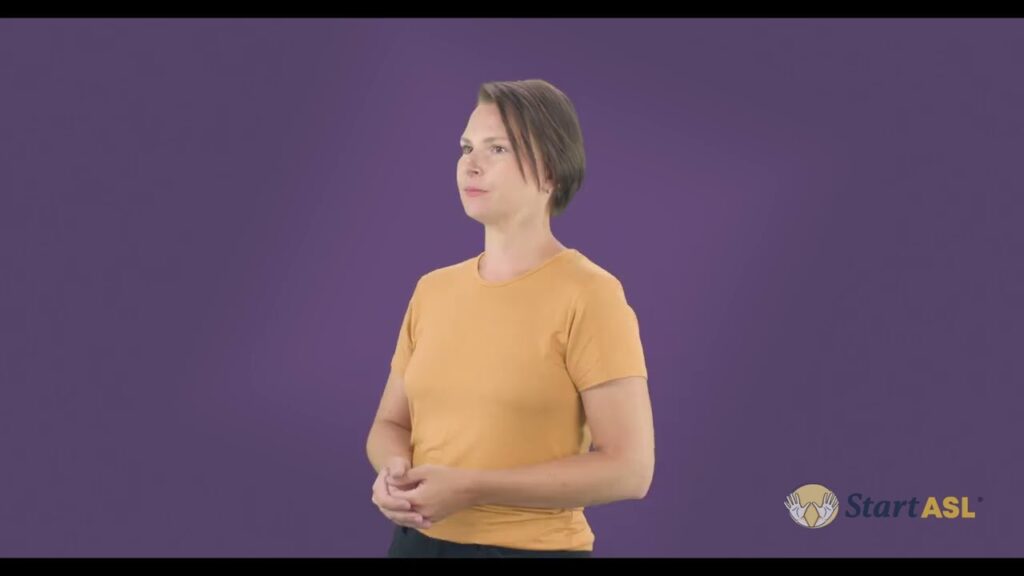
The sign for Protection conveys the concept of safeguarding or keeping something safe. This sign can be used in various contexts, such as discussing personal safety, protecting loved ones, or referring to protective measures in general. Understanding how to use this sign effectively can enhance communication, particularly in discussions surrounding safety and security.
[VIDEO_PLACEHOLDER]
Table of Contents
Forming the sign
- Handshape: Begin with your dominant hand in a flat ‘B’ handshape (the fingers extended and together, palm facing inward).
- Location: Position your dominant hand in front of your chest, approximately at heart level.
- Movement: Move your dominant hand outward and slightly forward from your body, as if you are creating a barrier or shield. The movement should be smooth and deliberate.
- Non-manual signals: Incorporate a serious facial expression to convey the importance of protection. You might also furrow your brows slightly to emphasize the gravity of the situation.
This sign embodies the act of creating a shield or barrier, emphasizing the protective nature of the action. It is essential to convey the appropriate facial expressions to match the meaning and context of the sign, as this can significantly affect how the message is received by the audience.
Using “Protection” in sentences
Here are a few examples of how to incorporate Protection into everyday conversation:
- “I always think about Protection when my children play outside.”
- “Wearing a helmet is an important form of Protection while riding a bike.”
- “The police provide Protection for the community during events.”
These sentences showcase how Protection can be used in various contexts, from personal safety to community well-being. Using the sign in these sentences can enhance understanding and clarity among Deaf individuals when discussing safety-related topics.
Signs related to “Protection”
Familiarizing yourself with related signs can expand your vocabulary and understanding of protective concepts:
- Safe – Refers to being free from harm or danger.
- Shelter – A place that provides protection from the elements.
- Defense – Refers to measures taken to protect oneself.
- Security – Related to safety measures taken to protect people or property.
- Help – Often associated with seeking assistance during threatening situations.
Where this sign comes from
The sign for Protection has roots in the concepts of defense and safety found in various cultures. It reflects a universal need for safety and security, which is a common theme across languages and communities. Over time, the sign has been adapted and refined within the Deaf community, becoming an integral part of ASL vocabulary.
Common confusion with a similar sign
Many learners may confuse the sign for Protection with the sign for Help. While both convey safety and assistance themes, the sign for Help involves a different handshape and movement, focusing more on seeking assistance rather than providing or creating a protective barrier. Practicing both signs in context can clarify their distinct meanings and uses.
FAQ
What is the importance of facial expressions in this sign?
Facial expressions add depth to the sign and convey the emotional weight of the message. A serious expression helps emphasize the importance of Protection.
Can Protection be used in different contexts?
Yes, Protection can refer to personal safety, the safety of others, or even protective measures in various settings, such as community safety or health.
Is there a different sign for legal protection?
Yes, while the sign for Protection focuses on physical safety, there are other signs in ASL that refer specifically to legal protection or rights, which might differ in form and context.
How can I practice this sign effectively?
Practice in front of a mirror to ensure your handshape and movements are correct. Additionally, incorporate the sign into sentences and use it in conversations to build fluency.
Practice ASL Signs
Use your camera to practice signs and get real-time AI feedback on your technique.
Free · No signup required