
Plant (Māori: tipu, tupu) in New Zealand Sign Language (NZSL)
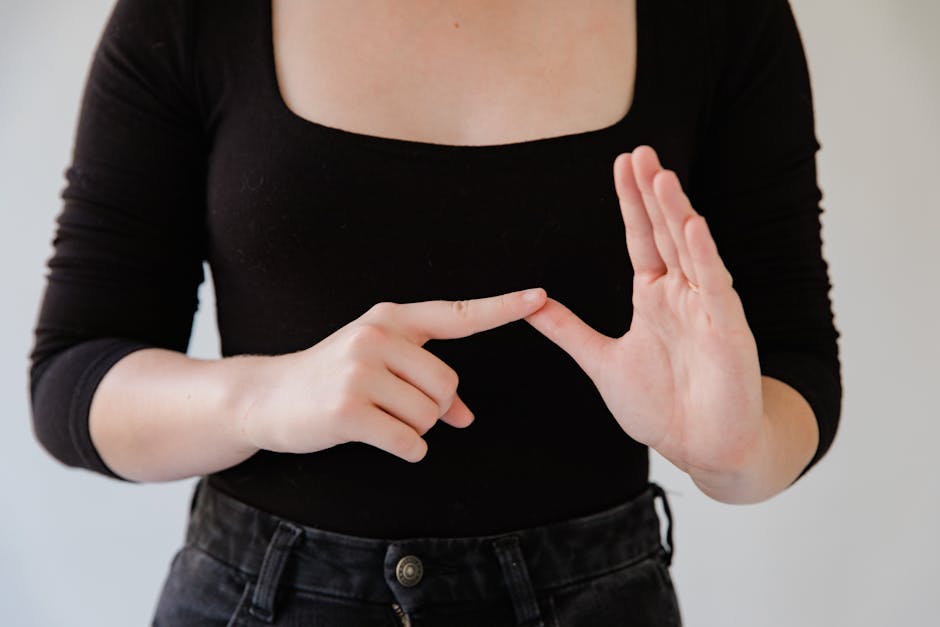
The sign “planttipu, tupunoun” in NZSL refers to a plant or vegetation, often used in conversations about nature, gardening, or environmental topics. It is a versatile sign that can encompass various types of plants, making it relevant in discussions within the Deaf community about landscaping, horticulture, and conservation.
Table of Contents
How to Sign “Planttipu, Tupunoun” in NZSL
- Start with your dominant hand in a flat ‘B’ handshape (fingers extended, palm down).
- Position your hand at about waist level, near the side of your body.
- Move your hand upwards in a slight arc, as if mimicking the growth of a plant.
- As you move your hand, slightly open your fingers to indicate the blossoming aspect of the plant.
- Maintain a neutral facial expression, or smile gently to convey a positive association with plants.
Common Mistakes
- Some learners may forget to use the correct handshape, resulting in a less clear sign.
- Not incorporating the upward movement can lead to confusion with other signs.
- Facial expressions are often overlooked, which can affect the overall meaning and clarity of the sign.
NZSL vs ASL
In NZSL, the sign for “plant” emphasizes the growth aspect, using a specific handshape and movement that reflects how plants grow. In contrast, ASL may use a different sign that does not include the upward motion, focusing more on the idea of a plant as an object rather than the growth process.
Related Signs
- (Be) Careful – a sign used to express caution.
- (Be) Born, (Give) Birth – related to the beginnings of life.
- (Baby’s) Dummy – a sign for baby-related items.
- (Be) Passive – a sign indicating passiveness.
- (All Of) You – a sign for addressing a group.
Frequently Asked Questions
How can I use “planttipu, tupunoun” in a sentence?
You can use it in a sentence like, “I love to grow planttipu in my garden,” which would involve signing the whole sentence for clarity.
Are there regional variations for this sign across New Zealand?
While “planttipu, tupunoun” is widely recognized, slight variations may exist in specific regions. It’s good to learn from local Deaf communities.
What are some similar signs to “planttipu, tupunoun”?
Similar signs include those for trees and flowers, which may involve different handshapes and movements to denote specific types of plants.
What tips do you have for learning this sign?
Practice in front of a mirror to ensure your handshape, movement, and facial expression are correct. Watching native signers can also help.
Can I use “planttipu, tupunoun” in a formal context?
Yes, this sign is appropriate in both casual and formal discussions about nature, gardening, or related topics.
Is “planttipu, tupunoun” used in other sign languages?
This sign is unique to NZSL, although other sign languages may have their own signs for “plant” or “vegetation”.
Practice This Sign
Try signing Planttipu, Tupunoun with your camera and get AI coaching on your handshape, movement, and location.
Free · No signup required