
Open Door in New Zealand Sign Language (NZSL)

The sign for “open door” in NZSL represents the action of opening a door and is commonly used in everyday conversations within the Deaf community. This sign is useful in various contexts, such as when entering a room or inviting someone in. It highlights the importance of accessibility and communication in both personal and public spaces.
Table of Contents
How to Sign “Open Door” in NZSL
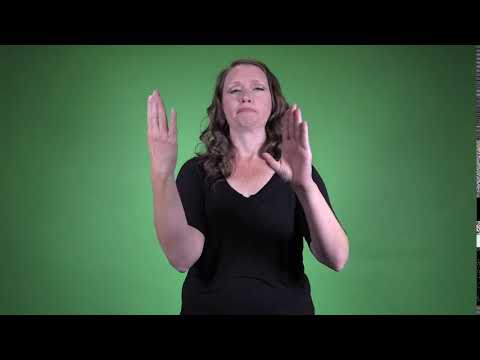
- Start with both hands in a flat ‘B’ handshape, palms facing down.
- Position your hands in front of your body, with one hand representing the door and the other representing the door handle.
- With your dominant hand (the one representing the door), move it outward and slightly away from your body as if you are pushing the door open.
- Simultaneously, your non-dominant hand remains in place, representing the door frame, giving the impression that the door is swinging open.
- Maintain a neutral facial expression or a welcoming smile to convey the action of inviting someone through the door.
Common Mistakes
- Using an incorrect handshape; ensure both hands are in a flat ‘B’ shape.
- Not moving the dominant hand outward enough, which can make the sign unclear.
- Failing to maintain facial expressions that correspond with the action, which is essential in NZSL for conveying meaning.
NZSL vs ASL
In NZSL, the sign for “open door” involves a flat handshape representing the door, with a clear movement that mimics opening. In American Sign Language (ASL), the sign may differ in handshape and movement, often using a different approach to convey the same concept. This highlights the unique characteristics of NZSL influenced by its own cultural context.
Related Signs
- Enter – To indicate going into a space.
- Close Door – To convey the action of shutting a door.
- Invite – To express welcoming someone into a space.
- Room – Referring to a specific space within a building.
- Door – The general sign for a door, without movement.
Frequently Asked Questions
Can you use “open door” in a sentence?
Yes! For example, you might sign, “I open the door” by combining the sign for “I,” “open,” and “door.”
Are there regional variations for this sign in NZ?
While the core sign remains consistent, some regions may have slight variations in movement or facial expressions, so it’s good to observe local usage.
What other signs are similar to “open door”?
Related signs include “enter” and “close door,” which also involve similar hand movements and contexts.
What tips do you have for learning this sign?
Practice in front of a mirror to check your handshape and movement. Also, watching fluent signers can help you grasp the nuances of the sign!
Do facial expressions matter in this sign?
Absolutely! Facial expressions in NZSL are crucial for conveying emotions and intent, so make sure to include them while signing.
Can I use a different sign for “door”?
While “door” has its own sign, using “open door” specifically communicates the action of opening, which is important in context.
Practice This Sign
Try signing Open Door with your camera and get AI coaching on your handshape, movement, and location.
Free · No signup required