
Onerahi in New Zealand Sign Language (NZSL)

The sign “onerahi” in NZSL translates to “one” and is commonly used in various contexts, such as counting, indicating singular items, or expressing unity within the Deaf community. This sign reflects the unique features of NZSL, which became an official language of New Zealand in 2006, incorporating elements from British Sign Language (BSL) and te reo Māori.
Table of Contents
How to Sign “Onerahi” in NZSL
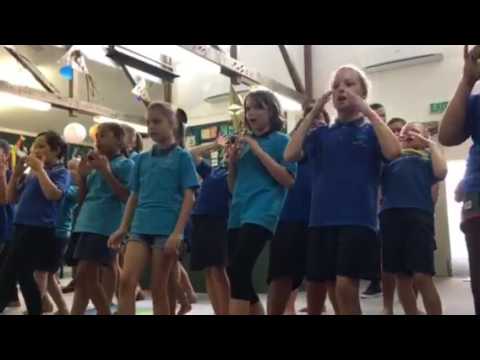
- Begin with your dominant hand in a fist shape. Your thumb should be placed outside the fingers.
- Position your hand in front of your chest, about shoulder-height.
- Extend your arm slightly forward while keeping the fist closed.
- Maintain a neutral facial expression, or add a slight smile to convey positivity.
- Hold the sign steady for a moment, then relax your hand back to your side.
Common Mistakes
- Using an open hand instead of a fist, which can change the meaning of the sign.
- Positioning the hand too high or low, making it less clear to the viewer.
- Forgetting to maintain a neutral facial expression, which is important for clarity in NZSL.
NZSL vs ASL
In NZSL, “onerahi” is signed with a fist, while in American Sign Language (ASL), the sign for “one” involves a different handshape and positioning. This highlights the unique aspects of NZSL, influenced by local culture and language.
Related Signs
- (All Of) You – A sign used to refer to a group of people.
- (Baby’s) Dummy – Referring to a pacifier for infants.
- (Be) Born, (Give) Birth – Related to the concept of new beginnings.
- (Be) Careful – A sign used to advise caution.
Frequently Asked Questions
How can I use “onerahi” in a sentence?
You can use “onerahi” to indicate a single item, such as “I have one book” by combining it with the sign for “book.”
Are there regional variations of “onerahi” in NZSL?
Generally, “onerahi” is consistent across New Zealand, but some regional dialects may have slight variations in signing style.
What are some signs similar to “onerahi”?
Signs like “two,” “three,” and “four” follow similar handshapes but differ in the number of fingers extended.
What tips do you have for learning this sign?
Practice in front of a mirror to check your handshape and positioning, and consider recording yourself to compare with videos.
Can I use “onerahi” in a formal setting?
Yes, “onerahi” is appropriate for both casual and formal conversations, especially when discussing numbers or unity.
How does facial expression affect the sign?
Facial expressions can add context and emotion to your signing, making your message clearer and more engaging.
Practice This Sign
Try signing Onerahi with your camera and get AI coaching on your handshape, movement, and location.
Free · No signup required