
Her / His / Its / Their in New Zealand Sign Language (NZSL)

The signs for “her,” “his,” “its,” and “their” in New Zealand Sign Language (NZSL) are used to indicate possession or association. These signs are common in everyday conversation within the Deaf community in New Zealand and are essential for clear communication. The sign reflects the inclusive nature of NZSL, which is influenced by both British Sign Language (BSL) and unique local signs.
Table of Contents
How to Sign “Her / His / Its / Their” in NZSL
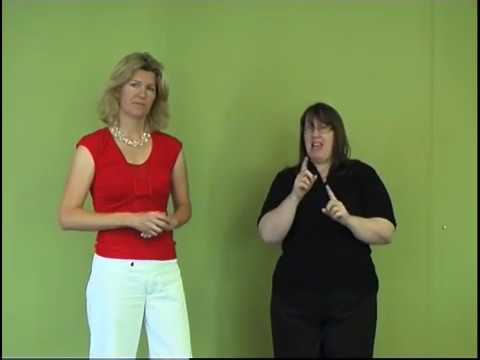
- Start with your dominant hand open, palm facing towards you.
- Touch the thumb of your dominant hand to your chin. This represents “her” or “his.”
- If you want to indicate “its,” simply keep your hand in the same position but move it slightly away from your chin.
- For “their,” shift the palm facing outward, away from your body, and move the hand side to side gently.
- Maintain a neutral facial expression while signing for clarity, but you can adjust based on context to show emphasis.
Common Mistakes
- Forgetting to change facial expressions according to the context, which can lead to confusion.
- Incorrectly positioning the hand too far from the face, which may not convey the intended meaning.
- Using the wrong dominant hand, especially for those who are ambidextrous or just starting to learn.
NZSL vs ASL
In NZSL, the signs for “her,” “his,” “its,” and “their” have distinct movements and hand placements compared to American Sign Language (ASL). While ASL uses a more generalized sign for possession that may involve both hands, NZSL emphasizes individual signs that reflect gender and plurality more specifically.
Related Signs
- (All Of) You – A sign used to refer to a group of people.
- (Baby’S) Dummy – Used to refer to a baby’s pacifier.
- (Be) Careful – A sign indicating caution.
- (Be) Passive – A sign used to express passivity.
Frequently Asked Questions
How do I use “her” in a sentence?
You can use “her” in a sentence like, “I saw her yesterday.” Sign it by establishing the subject first and then incorporating the sign for “her.”
Are there regional variations of this sign in New Zealand?
While the sign is generally consistent across New Zealand, some local communities may have slight variations in hand shape or movement.
What is a similar sign to indicate possession in NZSL?
A similar sign for possession is the sign for “my,” which involves placing your hand on your chest.
What tips can you give for learning this sign?
Practice in front of a mirror to ensure your hand positioning and facial expressions match the sign accurately.
Can I use this sign for non-human subjects?
Yes, “its” can be used for non-human subjects, such as inanimate objects or animals.
What is the importance of facial expressions in NZSL?
Facial expressions are crucial in NZSL as they can change the meaning of the sign and convey emotions or emphasis.
Practice This Sign
Try signing Her / His / Its / Their with your camera and get AI coaching on your handshape, movement, and location.
Free · No signup required