
Onerahi in New Zealand Sign Language (NZSL)
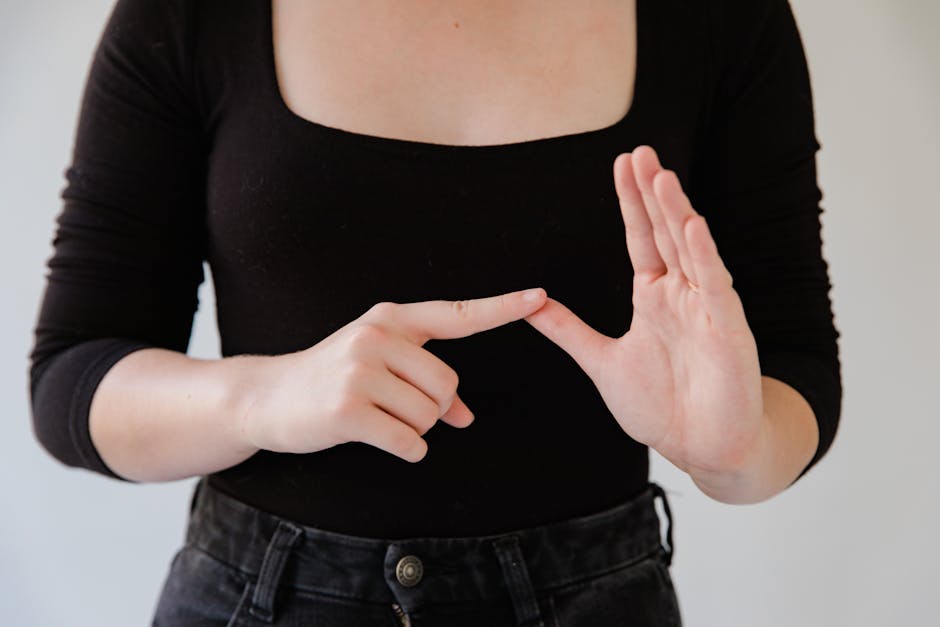
In NZSL, “onerahionerahinoun” conveys the idea of “one’s own” or something that belongs to the individual. Frequently employed in personal contexts, this sign is particularly relevant when addressing themes of ownership, identity, or personal experiences within the New Zealand Deaf community.
Table of Contents
How to Sign “Onerahionerahinoun” in NZSL
- Start with your dominant hand in a flat handshape, palm facing inward.
- Position your hand near your chest, with your fingers pointing slightly upward.
- Move your hand outward from your chest while slightly bending your arm. This motion should be smooth and controlled.
- Maintain a neutral facial expression, which can shift to a slight smile to convey a positive personal connection.
Common Mistakes
- Not moving the hand outward enough, making the sign unclear.
- Using a pointed finger instead of a flat handshape.
- Inconsistent facial expressions that do not match the sign’s context.
NZSL vs ASL
In NZSL, the sign “onerahionerahinoun” uses a flat handshape and a specific movement to denote personal ownership. In contrast, ASL has different signs for similar concepts, often using different handshapes and movements that may not directly translate. Understanding these differences highlights the unique features of NZSL as an official language.
Related Signs
- (All Of) You: A sign referring to a group of people or individuals being addressed.
- (All Of) Youyou Allkoutou (Katoa)Pronoun: A variation indicating everyone collectively.
- (Baby’S) Dummy: A sign related to a baby’s pacifier or comfort item.
- (Be) Careful: A sign used to express caution or the need to be careful.
- (Be) Passive: A sign indicating a state of being passive or inactive.
Frequently Asked Questions
Can you use “onerahionerahinoun” in a sentence?
Yes, you can use it to express something personal, like “This is my book” by signing “book” followed by “onerahionerahinoun.”
Are there regional variations of this sign in New Zealand?
While “onerahionerahinoun” is widely understood, some regions may have subtle variations in movement or facial expressions.
What are some similar signs in NZSL?
Similar signs include “my” and “your,” which also refer to ownership but are signed differently.
What tips do you have for learning this sign?
Practice in front of a mirror to ensure your movement and facial expressions are clear and expressive.
Can “onerahionerahinoun” be used in formal settings?
Yes, it can be used in formal settings when discussing personal matters or ownership, but context is key.
How does culture influence this sign?
The sign reflects the individualistic nature of personal identity in the Deaf community, emphasizing personal ownership and connection.
Practice This Sign
Try signing Onerahionerahinoun with your camera and get AI coaching on your handshape, movement, and location.
Free · No signup required