
NZSL in Ece in New Zealand Sign Language (NZSL)

The sign “nzsl in ece” refers to the use of New Zealand Sign Language in Early Childhood Education settings. It highlights the importance of incorporating NZSL into learning environments for Deaf and hearing children, fostering communication and inclusivity from an early age. This sign is commonly used by educators and advocates within the NZ Deaf community to promote awareness and support for NZSL.
Table of Contents
How to Sign “Nzsl In Ece” in NZSL
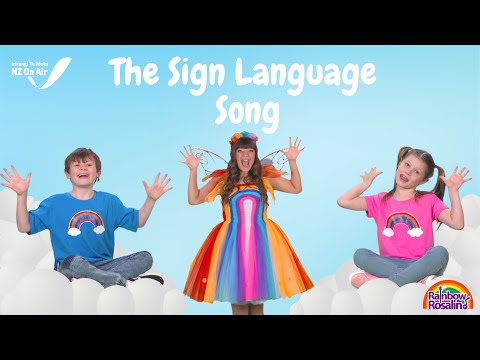
- Start with your dominant hand in a flat handshape, palm facing down.
- Position your hand slightly above the non-dominant hand, which is also in a flat handshape, palm facing up.
- Gently bring your dominant hand down towards the non-dominant hand while slightly bending at the elbows.
- As your hands come together, raise your eyebrows to indicate that you are emphasizing the importance of NZSL.
- Finish with a slight nod to reinforce the message of inclusion in Early Childhood Education.
Common Mistakes
- Forgetting to use facial expressions, which are crucial in NZSL for conveying meaning.
- Using the wrong handshape, as some learners might confuse it with similar signs.
- Not positioning the hands correctly; ensuring the dominant hand is above the non-dominant hand is key.
NZSL vs ASL
In NZSL, the sign for “nzsl in ece” has a distinct hand positioning and movement compared to ASL. While ASL may use different signs and handshapes, NZSL emphasizes the vertical interaction between the hands to represent the relationship between NZSL and Early Childhood Education. This reflects the unique cultural context of New Zealand‘s Deaf community.
Related Signs
- Nzsl – The sign for New Zealand Sign Language itself.
- 1 – The sign for the number one, often used in counting.
- 10 – The sign for the number ten, useful in various contexts.
- 100 – The sign for one hundred, another counting sign.
- 1 Dollar – The sign for one dollar, commonly used in financial contexts.
Frequently Asked Questions
How can I use “nzsl in ece” in a sentence?
You can say, “I teach nzsl in ece to promote inclusion among children.”
Are there regional variations in this sign across New Zealand?
While the sign remains consistent, some regional variations may occur in the fluidity of movement or accompanying facial expressions.
What are some similar signs to “nzsl in ece”?
Similar signs include “NZSL,” “Early Childhood,” and “Education,” each focusing on different aspects of communication in learning environments.
What tips do you have for learning this sign?
Practice in front of a mirror to observe your hand positioning and facial expressions, and consider joining a local Deaf community group for feedback.
Can hearing people use this sign too?
Yes, hearing people can learn and use this sign to show support for NZSL and inclusivity in Early Childhood Education.
What resources are available for learning NZSL?
Look for community classes, online tutorials, and local Deaf organizations that provide resources for learning NZSL.
How does NZSL incorporate te reo Māori?
Some signs in NZSL are influenced by te reo Māori, reflecting the cultural heritage of New Zealand and promoting a sense of identity within the Deaf community.
Practice This Sign
Try signing Nzsl In Ece with your camera and get AI coaching on your handshape, movement, and location.
Free · No signup required