
Nest in New Zealand Sign Language (NZSL)
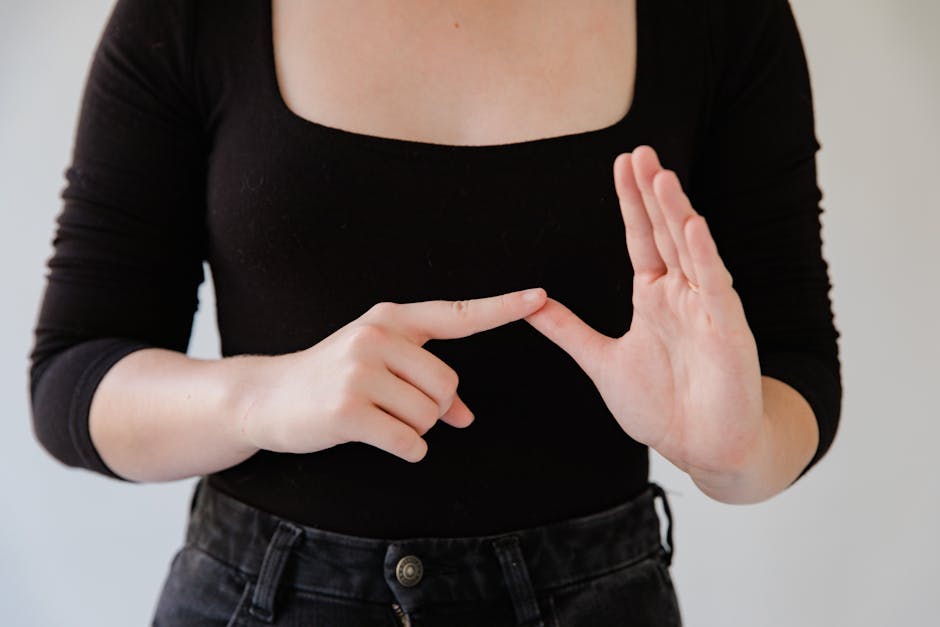
The sign for “nest” in NZSL represents a bird’s nest and is commonly used when discussing wildlife, nature, or family concepts, particularly when talking about new beginnings or caring for young ones. It captures the essence of home and nurturing, reflecting values important to the Deaf community in New Zealand.
Table of Contents
How to Sign “Nest” in NZSL
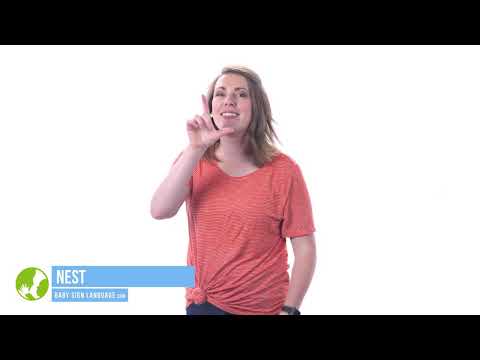
- Start with both hands in a flat open shape, resembling a bowl or a nest.
- Position your hands in front of your torso, palms facing upwards.
- Gently move your hands together, as if enclosing something within the nest.
- Maintain a soft facial expression to convey warmth and nurturing.
Common Mistakes
- Forgetting to keep the hands in a bowl shape, which can lead to a misunderstanding of the sign’s meaning.
- Using a harsh facial expression, which can send the wrong message about the nurturing aspect of a nest.
- Moving hands too far apart, losing the sense of enclosure that is key to the sign.
NZSL vs ASL
In NZSL, the sign for “nest” emphasizes the nurturing aspect with a distinctive handshape and movement. In contrast, ASL uses a different handshape and movement pattern, focusing more on the concept of a physical structure rather than the caring aspect. This reflects cultural differences in how the concept of a nest is perceived.
Related Signs
- (Be) Born, (Give) Birth – Sign related to new beginnings and family.
- (Baby’S) Dummy – Associated with caring for infants, similar to the nurturing theme.
- (Be) Careful – A sign that conveys the importance of caution, relevant in the context of protecting young ones.
Frequently Asked Questions
How can I use “nest” in a sentence?
You might say, “The bird made a nest in the tree.” In NZSL, you would sign the key concepts of bird, nest, and tree to convey the message clearly.
Are there regional variations for this sign?
While the sign is generally consistent across New Zealand, some regions might have slight variations in handshape or movement based on local dialects.
What are some signs similar to “nest”?
Similar signs include “home,” “family,” and “care,” which also reflect nurturing themes.
What tips do you have for learning this sign?
Practice in front of a mirror to ensure your handshape and facial expressions are correct. Observing native NZSL users can also help reinforce your learning.
How do I sign “nest” if I’m talking about a metaphorical nest?
You can still use the same sign, but emphasize the context with facial expressions and additional signs that clarify your message, such as using “home” or “family” alongside it.
Is this sign used in any cultural contexts?
Yes, the concept of a nest can be tied to cultural values related to family, care, and protection, which are significant in the New Zealand Deaf community.
Practice This Sign
Try signing Nest with your camera and get AI coaching on your handshape, movement, and location.
Free · No signup required