
Nervous in New Zealand Sign Language (NZSL)
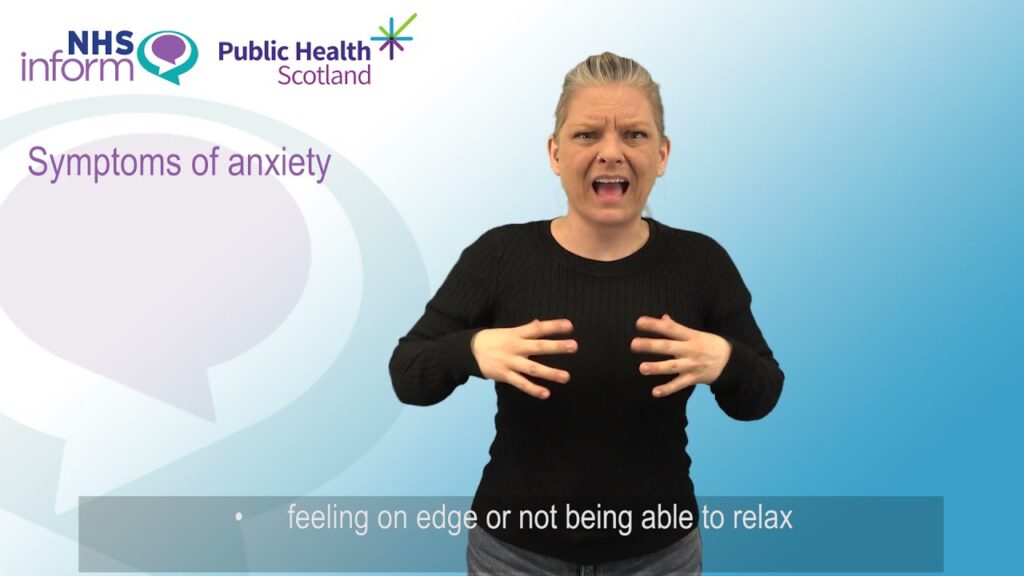
The NZSL sign for “nervous” expresses feelings of anxiety or apprehension, commonly used in conversations about upcoming events, public speaking, or personal experiences that may cause unease. This sign captures the essence of those jittery emotions and is an important part of expressing one’s feelings within the Deaf community.
Table of Contents
How to Sign “Nervous” in NZSL
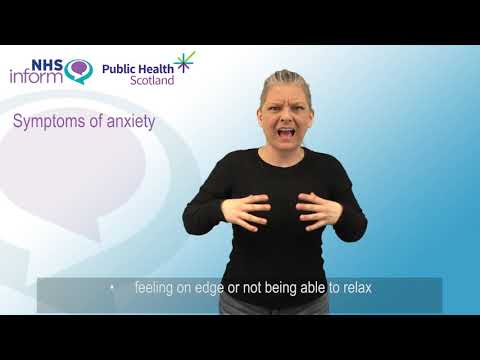
- Start with both hands in a loose fist shape, similar to a relaxed claw.
- Position your hands near your chest, with your palms facing inward.
- Gently shake your hands side to side while moving them slightly away from your body.
- Maintain a facial expression that reflects nervousness, such as raised eyebrows and slightly pursed lips.
Common Mistakes
- Forgetting to incorporate facial expressions, which are crucial in conveying the emotion of nervousness.
- Shaking the hands too vigorously, which can confuse the sign with other meanings.
- Positioning the hands too far from the body, resulting in a less impactful sign.
NZSL vs ASL
In NZSL, the sign for “nervous” incorporates a specific hand shape and movement that differs from ASL. While ASL uses a single handshape and a different motion, NZSL emphasizes the importance of facial expressions and the position of both hands to convey the emotional context effectively.
Related Signs
- (Be) Careful – A sign for expressing caution or wariness.
- (Be) Passive – Used to describe a non-active or reserved state.
- (Baby’s) Dummy – A sign related to comforting gestures.
- (All Of) You – A sign for inclusivity or addressing a group.
- (Be) Born, (Give) Birth – Related to experiences that can evoke strong emotions.
Frequently Asked Questions
How can I use “nervous” in a sentence?
You can say, “I feel nervous about the presentation,” by signing “I” followed by the sign for “nervous” and then the sign for “presentation.”
Are there regional variations for this sign in NZ?
While the sign for “nervous” is widely understood, some regional variations may exist. It’s always good to connect with local Deaf communities for specific nuances.
What other signs are similar to “nervous”?
Signs like “anxious” or “worried” may share some similarities in hand movement and facial expressions, though they have distinct meanings.
What tips do you have for learning this sign?
Practice in front of a mirror to ensure your facial expressions match the emotion. Watching native signers also helps to grasp the nuances.
Can “nervous” be used in different contexts?
Yes, “nervous” can describe various situations, from social interactions to performance anxiety. Adjust your facial expression to match the context.
How important are facial expressions in NZSL?
Facial expressions are crucial in NZSL as they can change the meaning of signs. They add emotional depth and context that words alone cannot convey.
Practice This Sign
Try signing Nervous with your camera and get AI coaching on your handshape, movement, and location.
Free · No signup required