
NZSL Feelings in New Zealand Sign Language (NZSL)
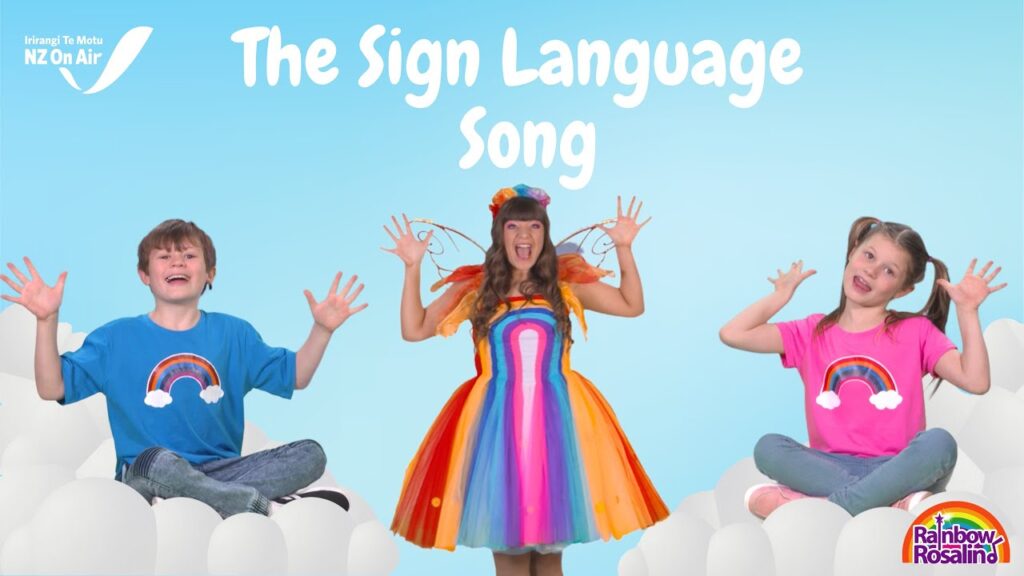
The sign for “feelings” in NZSL represents a range of emotions and states of being. It is commonly used in daily conversations among the Deaf community to express how someone is feeling or to inquire about others’ emotions. This sign is vital for fostering connection and understanding within the community.
Table of Contents
How to Sign “Nzsl Feelings” in NZSL
- Start with your dominant hand in a flat handshape (like a ‘B’ handshape) with fingers together.
- Position your hand at the center of your chest, just below the collarbone.
- Gently move your hand outward, away from your body, while slightly curling your fingers inward.
- As you perform this movement, use an expressive facial expression that reflects the emotion you are conveying.
Common Mistakes
- Forgetting to use facial expressions, which are crucial in NZSL for conveying emotions.
- Using a stiff handshape instead of a relaxed flat hand, which may make the sign less clear.
- Not positioning the hand correctly at the chest level, which can lead to confusion about the intended meaning.
NZSL vs ASL
In NZSL, the sign for “feelings” incorporates unique hand movements and facial expressions distinct from ASL. While ASL uses a different handshape and may have a varied signing position, NZSL emphasizes the importance of emotional context through facial expressions and regional nuances.
Related Signs
- Happy – A sign used to express joy or happiness.
- Sad – This sign indicates feelings of sadness or sorrow.
- Angry – Used to convey anger or frustration.
- Excited – This sign expresses enthusiasm or excitement.
- Confused – A sign to show confusion or uncertainty.
Frequently Asked Questions
How do I use “feelings” in a NZSL sentence?
You can use “feelings” in sentences like “I feel happy” by signing “I” (pointing to yourself) followed by “feelings” and then using the sign for “happy.”
Are there regional variations for this sign in NZ?
While the basic sign for “feelings” is widely understood, some regions may have unique variations or additional signs to express specific emotions.
What are some similar signs in NZSL?
Signs like “happy,” “sad,” and “angry” are similar as they relate to emotions. Each has its own unique handshape and movement.
Do I need to exaggerate facial expressions?
Yes, facial expressions are essential in NZSL. They help convey the intensity and nature of the emotion being expressed.
What are some tips for learning NZSL emotions?
Practice with native signers, watch NZSL videos, and pay attention to facial expressions when learning to express emotions accurately.
Can I use “feelings” to ask someone how they are?
Absolutely! You can sign “feelings” as part of a question to ask someone about their emotional state, like “How are you feeling?”
Is it important to learn te reo Māori signs for feelings?
Yes, incorporating te reo Māori signs can enhance cultural understanding and connection within the NZ Deaf community.
Practice This Sign
Try signing Nzsl Feelings with your camera and get AI coaching on your handshape, movement, and location.
Free · No signup required