
Morning (Māori: ata) in New Zealand Sign Language (NZSL)
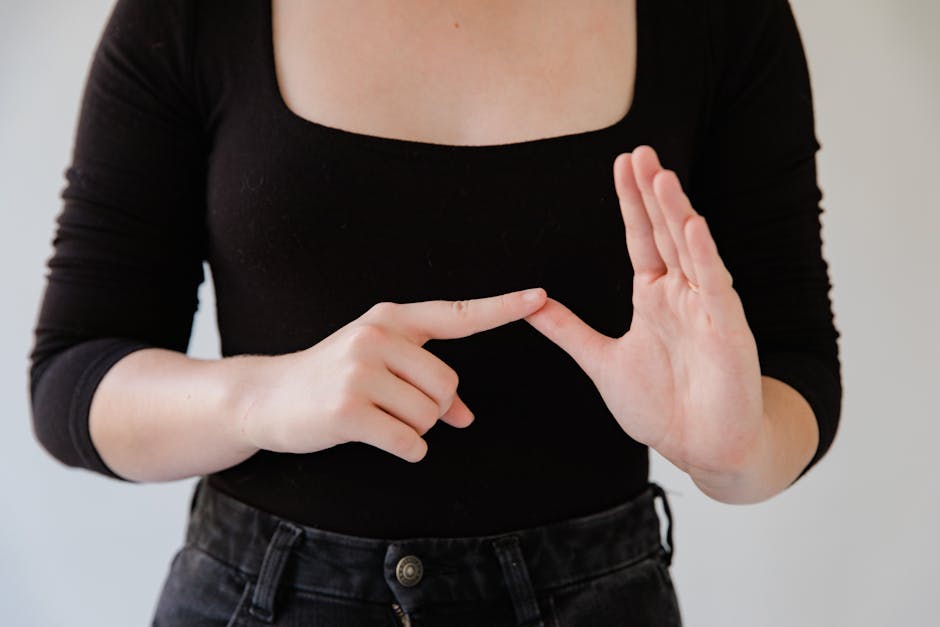
The sign for “morning” in New Zealand Sign Language (NZSL) represents the early part of the day, typically used to greet someone in the morning or to discuss morning activities. It’s a fundamental sign that helps connect members of the Deaf community during their daily interactions.
Table of Contents
How to Sign “Morning” in NZSL
- Start with your dominant hand in a flat ‘B’ handshape (fingers extended and together, palm facing down).
- Position your hand near your chin, with your fingertips pointing towards your chin.
- Move your hand outward and slightly upward from your chin, as if you are representing the sun rising in the morning.
- Maintain a relaxed facial expression, perhaps with a slight smile to convey positivity associated with morning.
Common Mistakes
- Forgetting to use a flat handshape; some learners may use a fist instead.
- Not moving the hand outward enough, which can make the sign unclear.
- Neglecting facial expressions; this can affect the overall communication and context.
NZSL vs ASL
In American Sign Language (ASL), the sign for “morning” is quite different. ASL typically uses a specific motion that involves positioning the non-dominant hand as a base and moving the dominant hand in a distinct manner. This highlights how NZSL, with its unique influences, has developed its own visual language system.
Related Signs
- (All Of) You – Used to refer to a group of people.
- (Baby’S) Dummy – Sign for a baby’s pacifier.
- (Be) Careful – A sign indicating caution or alertness.
- (Be) Born, (Give) Birth – Related to the concepts of birth and life.
Frequently Asked Questions
How can I use “morning” in a sentence?
You can say, “Good morning!” by signing “morning” with a friendly expression, often accompanied by a wave or smile.
Are there regional variations for the sign “morning” in NZSL?
While “morning” is generally consistent across New Zealand, some regional signs may have slight variations in movement or handshape.
What are some signs similar to “morning”?
Similar signs include “afternoon” and “evening,” which have their own distinct gestures in NZSL.
What tips can help me learn this sign better?
Practice in front of a mirror to see your handshape and facial expressions, and try to incorporate the sign into daily conversations.
Can I use “morning” in more complex sentences?
Absolutely! You can combine it with other signs to discuss plans for the day or ask someone what they did that morning.
Is there a sign for “good morning” in NZSL?
Yes! You can combine the sign for “good” with “morning” to convey the full greeting.
Practice This Sign
Try signing Morningatanoun with your camera and get AI coaching on your handshape, movement, and location.
Free · No signup required