
Member in New Zealand Sign Language (NZSL)
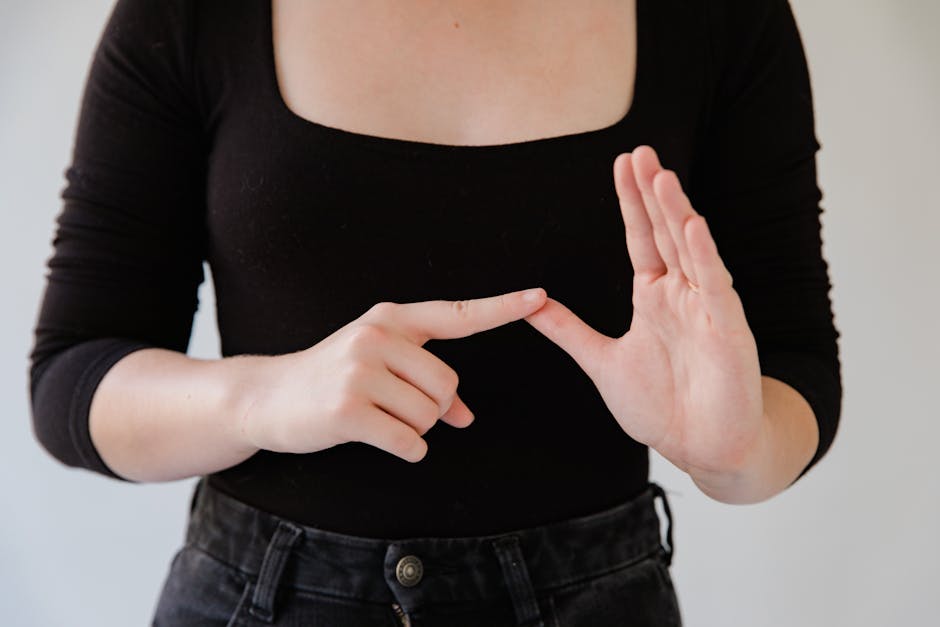
The sign for “member” in New Zealand Sign Language (NZSL) represents the concept of belonging to a group or organization. It’s commonly used in discussions about clubs, teams, or any collective entities within the Deaf community, highlighting the importance of connection and identity. This sign reflects a sense of inclusion, which is highly valued in New Zealand‘s Deaf culture.
Table of Contents
How to Sign “Membermembershipmemanoun” in NZSL
- Start with your dominant hand in a flat hand shape (like a “B” handshape).
- Position your hand at the chest area, palm facing inward.
- Move your hand outward in a small arc, away from your body, while keeping your fingers together.
- As you perform this movement, maintain a neutral facial expression. You can also raise your eyebrows slightly to emphasize the action of joining or belonging.
Common Mistakes
- Some learners may confuse the hand shape, using a fist instead of a flat hand.
- Not maintaining the correct facial expression can make the sign less effective.
- Over-exaggerating the movement can lead to misunderstanding; a subtle motion is usually best.
NZSL vs ASL
In NZSL, the sign for “member” involves a flat hand shape with a specific movement away from the body, while in American Sign Language (ASL), the sign is typically made with a different handshape and movement. This highlights the unique characteristics of NZSL and its distinct cultural context.
Related Signs
- Group – Refers to a collection of individuals.
- Team – Signifies a group working together towards a common goal.
- Join – Indicates the action of becoming part of a group.
- Community – Represents a larger collective of individuals sharing common interests.
- Friend – Indicates a close relationship between members.
Frequently Asked Questions
How can I use “member” in a sentence?
You can say, “I am a member of the Deaf club,” by signing “I” + “member” + “Deaf club.”
Are there regional variations of this sign in NZ?
Generally, the sign remains consistent across New Zealand, but some local Deaf communities may have slight variations or preferences.
What are some similar signs to “member”?
Related signs include “group,” “team,” and “join,” which all convey a sense of community and belonging.
What tips do you have for learning this sign?
Practice in front of a mirror to check your hand shape and movement, and try to sign with a fluent user to gain feedback.
Can “member” be used in formal contexts?
Yes, it is appropriate for both casual and formal discussions about memberships in clubs or organizations.
How does this sign reflect Deaf culture?
It emphasizes belonging and connection, which are fundamental aspects of the Deaf community, fostering a sense of identity.
Practice This Sign
Try signing Membermembershipmemanoun with your camera and get AI coaching on your handshape, movement, and location.
Free · No signup required