
Lower Hutthutt Valley, the Huttawakairanginoun in New Zealand Sign Language (NZSL)
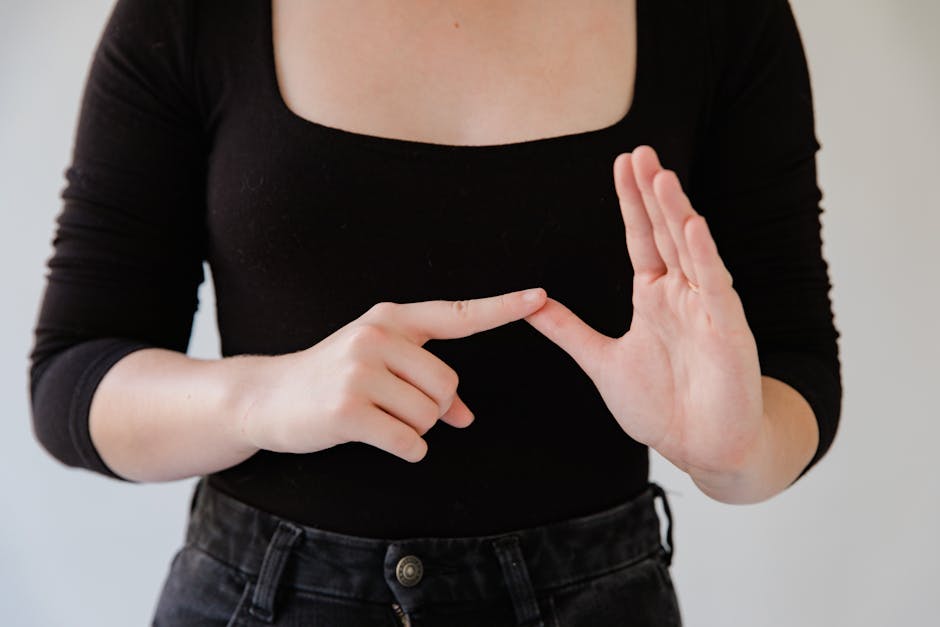
The sign for “Lower Hutthutt Valley, The Huttawakairanginoun” represents a specific geographical area in New Zealand, commonly used in discussions about local culture, travel, or geography within the Deaf community. It highlights the significance of this region, acknowledging its unique characteristics and cultural heritage.
Table of Contents
How to Sign “Lower Hutthutt Valley, The Huttawakairanginoun” in NZSL

- Begin with both hands in a flat ‘B’ handshape, palms facing down.
- Position your hands near your chest, then move them outward and slightly downward, mimicking the shape of a valley.
- As you move your hands down, tilt your head slightly in the direction of the valley, showing facial expression that reflects the significance of the place.
- Hold the final position for a moment to emphasize the sign.
Common Mistakes
- Using a pointed finger instead of a flat handshape, which can change the meaning.
- Rushing the movement, leading to unclear representation of the valley’s shape.
- Neglecting facial expressions, which are crucial in NZSL to convey context and emotion.
NZSL vs ASL
In NZSL, the sign for “Lower Hutthutt Valley, The Huttawakairanginoun” incorporates elements specific to New Zealand geography and culture, which may not have a direct counterpart in ASL. While ASL uses different signs for place names, NZSL incorporates local features and influences from te reo Māori, making it unique to the New Zealand context.
Related Signs
- (All Of) You – A sign used to refer to a group of people.
- (Be) Careful – A sign that expresses caution or the need to be careful.
- (Be) Passive – A sign indicating a state of being passive or inactive.
Frequently Asked Questions
How can I use this sign in a sentence?
You can say, “I live in Lower Hutthutt Valley,” by first signing your location and then using the sign for “Lower Hutthutt Valley, The Huttawakairanginoun.”
Are there regional variations of this sign?
Yes, some signs may slightly differ in facial expressions or hand movements depending on the region in New Zealand.
What are some similar signs in NZSL?
Signs for other valleys or geographical locations can share similarities in their handshapes and movements, adjusted for the specific name.
What tips do you have for learning this sign?
Practice in front of a mirror to ensure your handshape and movement are clear, and don’t forget to include facial expressions.
How do I know if I’m signing correctly?
Consider recording yourself or asking a fluent NZSL signer for feedback on your technique.
Is there any cultural significance to this sign?
Yes, the sign reflects the local culture and community, making it important for discussions about identity and place in the Deaf community.
Practice This Sign
Try signing Lower Hutthutt Valley, The Huttawakairanginoun with your camera and get AI coaching on your handshape, movement, and location.
Free · No signup required