
Kelsonnoun in New Zealand Sign Language (NZSL)
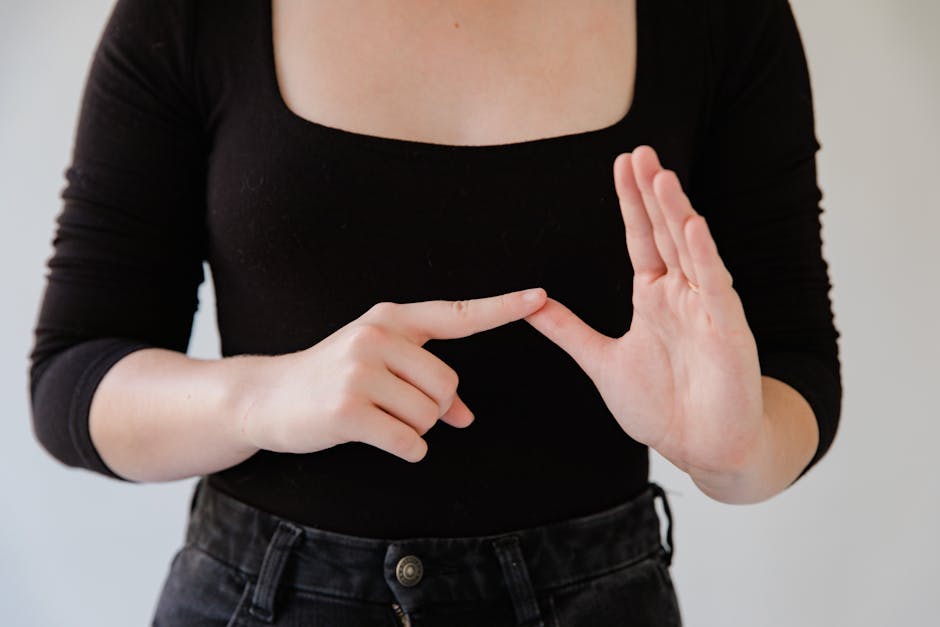
The sign “kelsonnoun” in NZSL refers to a specific concept or noun in the New Zealand Deaf community. It is commonly used in various contexts, especially when discussing family members or friends. This sign reflects the unique blend of cultural influences in NZSL, which became an official language in New Zealand in 2006.
Table of Contents
How to Sign “Kelsonnoun” in NZSL
- Start with your dominant hand in a flat handshape (palm facing down).
- Bring your hand to the side of your forehead, just above the eyebrow level.
- Move your hand outward and slightly away from your head while maintaining the flat handshape.
- As you sign, keep a neutral facial expression to convey the noun aspect of the sign.
Common Mistakes
- Using a fist instead of a flat handshape, which can alter the meaning.
- Not maintaining the correct facial expression, which can lead to misunderstanding.
- Incorrectly positioning the hand too low, making the sign less recognizable.
NZSL vs ASL
In NZSL, “kelsonnoun” is performed with a flat handshape, while in ASL, the equivalent sign may differ both in handshape and movement. Understanding these differences is key for learners transitioning between the two sign languages.
Related Signs
- (All Of) You – A sign used to refer to a group of people.
- (Baby’S) Dummy – Refers to a pacifier or soother for infants.
- (Be) Careful – A sign used to convey caution or warning.
Using “Kelsonnoun” in Everyday Conversations
The sign “Kelsonnoun” can be seamlessly integrated into various everyday conversations, adding clarity and context. Here are some example sentences that illustrate how this sign might naturally occur:
- “My friend Kelsonnoun is coming to the party this weekend.”
- “Did you see Kelsonnoun’s latest artwork? It’s amazing!”
- “Kelsonnoun told me about the new café opening in town.”
These situations often arise in casual chats among friends or during social gatherings, where the mention of individuals’ names or contributions is common.
Cultural Notes
The sign “Kelsonnoun” holds significance within the New Zealand Deaf community, reflecting not just a name but also the connections and relationships that define this vibrant culture. Since NZSL was officially recognized as one of New Zealand’s languages in 2006, it has played a crucial role in fostering identity and unity among the Deaf. The use of personal names like “Kelsonnoun” in NZSL often serves to strengthen community ties.
Furthermore, te reo Māori influences many aspects of NZSL, and understanding these connections can enhance one’s appreciation of the language. Regional variations can also exist, with different signs or interpretations arising in various areas, reflecting the rich diversity of the Deaf community across New Zealand.
Tips for Learning This Sign
Practicing the sign “Kelsonnoun” can be both fun and effective through a variety of techniques:
- Mirror Practice: Use a mirror to observe your signing. This will help you ensure that your handshape and movements are accurate.
- Facial Expressions: Pay attention to the facial expressions that accompany the sign. They can convey emotion and intent, making your signing more impactful.
- Incorporate in Short Sentences: Try to use “Kelsonnoun” in short signed sentences throughout your day. The more you use it, the more comfortable you will become!
By regularly engaging with the sign in different contexts, you’ll enhance your fluency and confidence in using NZSL.
Frequently Asked Questions
How can I use “kelsonnoun” in a sentence?
You can use “kelsonnoun” in a sentence by incorporating it to refer to a specific person or object, like “Kelsonnoun is my friend.”
Are there regional variations for this sign in New Zealand?
While “kelsonnoun” is generally consistent, some regions may have slight variations in speed or emphasis, so it’s good to practice with local Deaf users.
What are similar signs to “kelsonnoun”?
Similar signs might include those that refer to family or friends. Check out related signs for context.
What tips do you have for learning this sign?
Practice in front of a mirror to ensure you are using the correct handshape and positioning. Additionally, watch native NZSL users to see the sign in context.
Practice This Sign
Try signing Kelsonnoun with your camera and get AI coaching on your handshape, movement, and location.
Free · No signup required