
Koroelderly Man, Grandad, Grandfatherkoronoun in New Zealand Sign Language (NZSL)
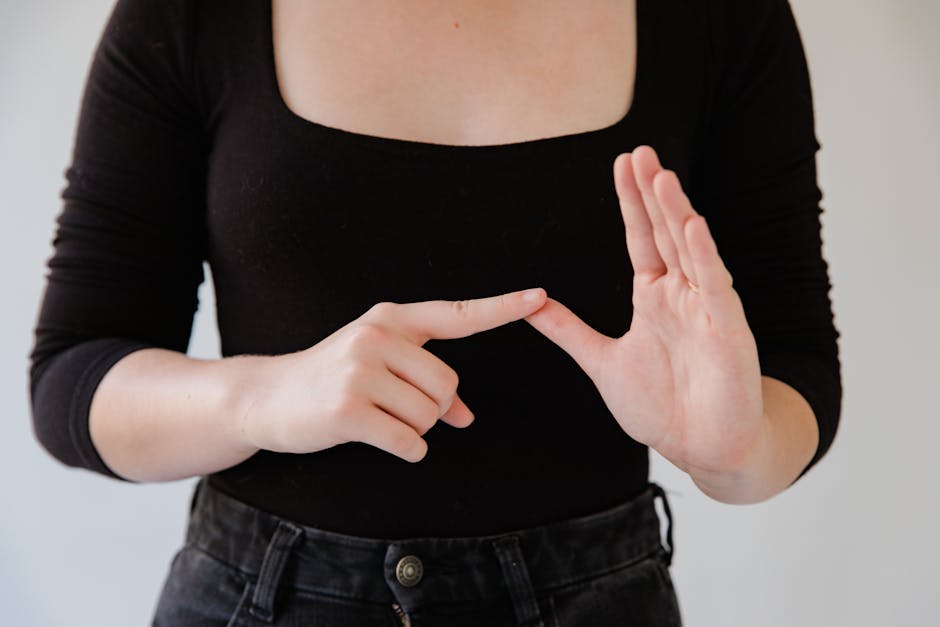
The NZSL sign for “koro” refers to an elderly man, grandad, or grandfather. It is a term of endearment and respect commonly used in family settings within the NZ Deaf community. This sign reflects the cultural importance of elders and family connections in New Zealand.
Table of Contents
How to Sign “Koroelderly Man, Grandad, Grandfatherkoronoun” in NZSL
- Start with your dominant hand in a flat handshape (like a “B” handshape) with the palm facing down.
- Position your hand near your chin, with your fingers slightly curled, as if you are stroking a beard.
- Gently move your hand downward while maintaining the same handshape, as if you are emphasizing the wisdom and experience of an elder.
- While signing, maintain a warm facial expression to reflect the affection and respect associated with the term.
Common Mistakes
- Forgetting to use a facial expression that shows warmth and respect.
- Using a different handshape or positioning the hand incorrectly, which can change the meaning.
- Not moving the hand downward enough, making the sign less clear.
NZSL vs ASL
In NZSL, the sign for “koro” emphasizes the connection to family and respect for elders, while in ASL, the equivalent sign may differ in handshape and movement. NZSL incorporates unique cultural nuances and influences from te reo Māori, which may not be present in ASL.
Related Signs
- Māori – A term referring to the indigenous people of New Zealand.
- Elder – A sign for a senior person in a community.
- Father – The sign for dad or father figure.
- Family – A general sign for family members.
- Grandmother – The sign for grandma or grandmother.
Frequently Asked Questions
How can I use “koro” in a sentence?
You can say, “My koro is very wise,” by signing “my” followed by “koro” and using facial expressions to convey the sentiment.
Are there regional variations for this sign in NZ?
While the sign is widely understood across New Zealand, some regions may have slight variations in movement or emphasis, reflecting local dialects within NZSL.
What are some signs similar to “koro”?
Signs like “father,” “grandmother,” and “elder” share some similarities in handshape and movement, focusing on family and respect.
Any tips for learning this sign?
Practice in front of a mirror to ensure your handshape and facial expressions are correct; consider asking a fluent signer for feedback.
Can this sign be used in formal settings?
Yes, “koro” is a respectful term and can be used in both casual and formal settings when referring to an elderly man or grandfather.
How does cultural context affect the use of this sign?
The cultural significance of elders in Māori and wider New Zealand society enhances the meaning of the sign, making it a term of respect and affection.
Practice This Sign
Try signing Koroelderly Man, Grandad, Grandfatherkoronoun with your camera and get AI coaching on your handshape, movement, and location.
Free · No signup required