
Insect Bite, Sting in New Zealand Sign Language (NZSL)

The sign for “insect bite” or “sting” in NZSL is used to communicate about the discomfort caused by insect bites or stings, such as those from mosquitoes or bees. It’s a practical sign often used during outdoor activities or discussions about nature. Being aware of this sign can help in conversations about outdoor safety and health within the Deaf community.
Table of Contents
How to Sign “Insect Bite, Sting” in NZSL
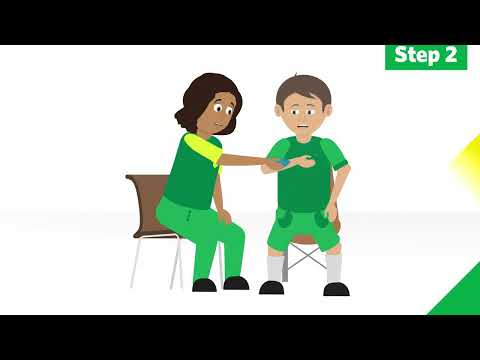
- Start with your dominant hand in a flat handshape (like a “B” handshape) with your palm facing down.
- Position your hand near the area of your body where you might feel the sting, such as your arm or leg.
- Make a quick, sharp movement downwards, simulating the action of being stung or bitten.
- Facial expressions should convey discomfort or irritation to enhance the meaning of the sign.
Common Mistakes
- Forgetting to use facial expressions: Facial expressions are key in NZSL to convey the emotional context of the sign.
- Using an incorrect handshape: Ensure you use the flat handshape, as using a fist may alter the meaning.
- Not emphasizing the downward motion: The quick, sharp movement is essential to communicate the action of being bitten or stung effectively.
NZSL vs ASL
In NZSL, the sign for “insect bite” uses a flat handshape and a specific downward movement, while in ASL, the sign may use a different handshape and motion. This highlights the unique characteristics of NZSL as distinct from ASL, reflecting its cultural influences and context.
Related Signs
- (Be) Careful – Used to warn someone about potential dangers.
- (Be) Passive – Indicates a state of being or response.
- (Baby’s) Dummy – Refers to a pacifier for infants.
- (Be) Born, (Give) Birth – Related to the process of childbirth.
Frequently Asked Questions
How can I use this sign in a sentence?
You can say, “I got an insect bite,” by signing “I” (point to yourself) and then performing the sign for insect bite.
Are there regional variations of this sign in NZ?
While the core sign remains consistent across New Zealand, some regions might have unique variations or gestures influenced by local dialects.
What are some similar signs to “insect bite”?
Signs like “sting,” “itch,” or “hurt” can be similar in context, often used in discussions about discomfort.
What tips do you have for learning this sign?
Practice in front of a mirror to observe your facial expressions and hand movements. Watching native signers can also be beneficial.
Is this sign used in te reo Māori?
While this specific sign may not have a direct te reo Māori equivalent, incorporating te reo Māori into your NZSL practice can enrich your learning and connection to culture.
Practice This Sign
Try signing Insect Bite, Sting with your camera and get AI coaching on your handshape, movement, and location.
Free · No signup required