
Insect in New Zealand Sign Language (NZSL)
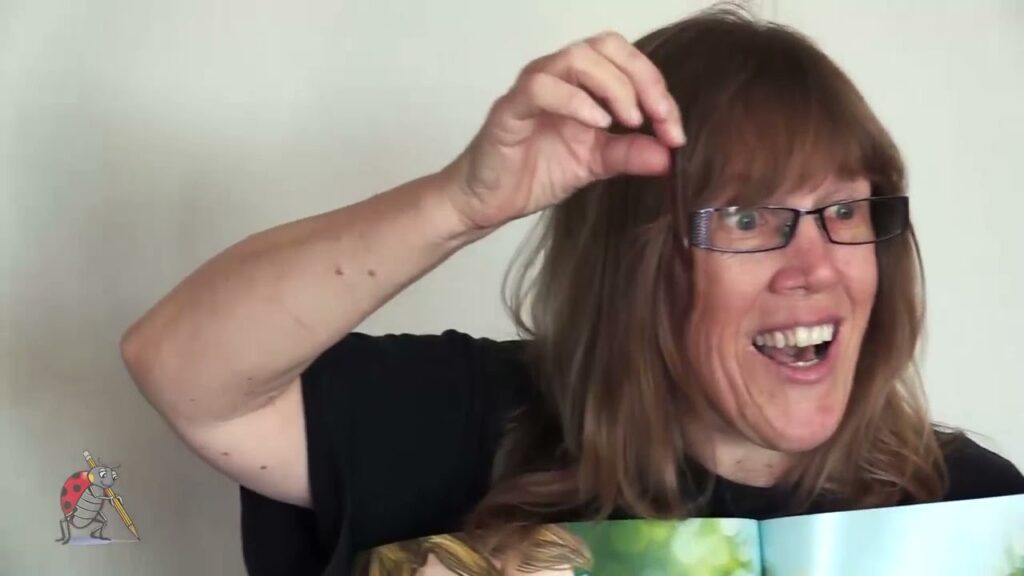
The sign for “insect” in NZSL represents small creatures that belong to the class Insecta, which includes various species like bees, ants, and butterflies. This sign is often used in conversations about nature, biology, or environmental topics within the Deaf community. It’s an essential vocabulary word for anyone discussing these tiny yet fascinating creatures.
Table of Contents
How to Sign “Insect” in NZSL

- Start with your dominant hand in a flat “B” handshape (palm facing down).
- Position your hand at about chest height in front of you.
- Using small, quick movements, flick your fingers outward as if mimicking the movement of an insect’s legs.
- Maintain an engaging facial expression, reflecting interest or curiosity about the insect.
Common Mistakes
- Using the wrong handshape; ensure you form a flat “B” handshape instead of a fist or open hand.
- Moving your hand too slowly; the sign should be quick and lively to represent the energy of an insect.
- Neglecting facial expressions, which are crucial in NZSL to convey the right emotion and context.
NZSL vs ASL
In NZSL, the sign for “insect” emphasizes the natural movement of insects, whereas ASL uses a different sign that does not focus on movement. This reflects the unique characteristics of NZSL, which has influences from British Sign Language (BSL) and incorporates elements from te reo Māori.
Related Signs
- Bee: The sign for a bee, highlighting its buzzing nature.
- Ant: A sign representing the small but industrious ant.
- Butterfly: Showcasing the delicate and beautiful butterfly.
- Ladybug: The sign for the cheerful ladybug.
- Spider: Representing the eight-legged arachnid often mistaken for an insect.
Frequently Asked Questions
How can I use “insect” in a sentence?
You can say, “I saw an insect in the garden” by signing “I” + “SEE” + “INSECT” + “GARDEN”.
Are there regional variations for the sign “insect”?
The sign is generally consistent across New Zealand, though some regions may have slight variations in hand movement.
What other signs are similar to “insect”?
Similar signs include “bee,” “ant,” and “butterfly,” each with distinct movements to represent the specific insect.
Any tips for learning this sign?
Practice with a mirror to check your hand shape and movement, and remember to use expressive facial gestures!
Can I use the sign “insect” in educational settings?
Yes, it’s a great sign to use in classrooms when discussing science topics or nature studies.
What does “insect” look like in different contexts?
The sign may change slightly based on the context, like discussing specific insects or general insect behavior.
Practice This Sign
Try signing Insect with your camera and get AI coaching on your handshape, movement, and location.
Free · No signup required