
Indicator in New Zealand Sign Language (NZSL)
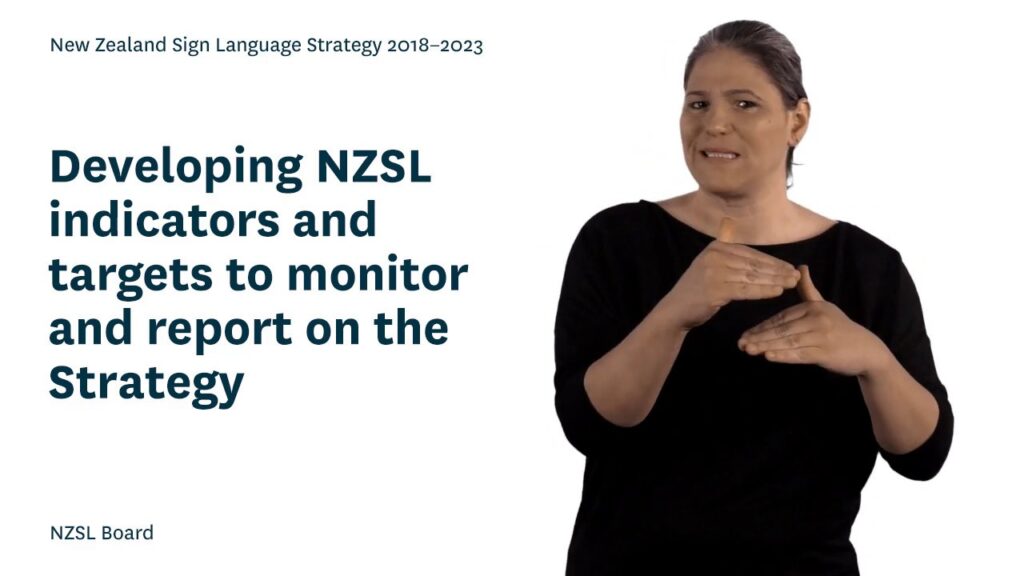
The sign for “indicator” in New Zealand Sign Language (NZSL) is used to refer to something that points out or highlights a specific detail or feature. This sign is common in discussions where clarification or emphasis is needed, helping to direct attention to particular aspects of a conversation or topic.
Table of Contents
How to Sign “Indicator” in NZSL
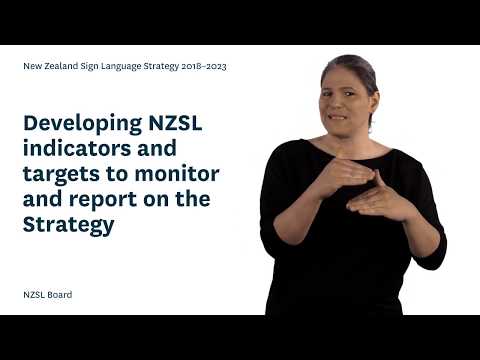
- Start with your dominant hand in a flat ‘B’ handshape, with fingers extended and together.
- Position your hand in front of your torso, around waist height.
- Move your hand slightly forward and backward, as if to indicate or highlight something.
- While signing, maintain an engaging facial expression to convey the importance of what you are indicating.
Common Mistakes
- Using a fist instead of a flat handshape can confuse the meaning.
- Failing to use facial expressions can make the sign less effective.
- Not maintaining the correct hand position can lead to misunderstandings about what you are indicating.
NZSL vs ASL
In American Sign Language (ASL), the sign for “indicator” may look different, often involving a pointing gesture or different hand shape. NZSL has its unique characteristics influenced by British Sign Language (BSL) and incorporates local cultural elements, including signs derived from te reo Māori.
Related Signs
- (All Of) You – A sign that refers to a group of people.
- (Be) Careful – A sign that advises caution or awareness.
- (Be) Passive – A sign indicating a lack of action or response.
Frequently Asked Questions
How do I use “indicator” in a sentence in NZSL?
You can use “indicator” in a sentence by combining it with other signs. For example, you might sign “This is an indicator of the problem” by first signing ‘this’ followed by ‘indicator’ and then ‘problem’.
Are there regional variations for this sign across New Zealand?
While the sign for “indicator” is generally consistent, some regions may have slight variations in hand movements or facial expressions. It’s always good to check with local Deaf community members.
What are some signs similar to “indicator”?
Signs that convey similar meanings include “point”, “highlight”, or “signal”. Each has its own specific use and context in conversation.
Do I need to exaggerate my facial expressions while signing?
Yes, using facial expressions is crucial in NZSL as they add meaning and context to your signs, making your communication clearer.
What are some tips for learning this sign?
Practice regularly in front of a mirror, watch videos of native signers, and engage with the Deaf community to enhance your signing skills.
Can I use this sign in a formal setting?
Yes, “indicator” is appropriate in both formal and informal settings, especially when clarity is needed.
Practice This Sign
Try signing Indicator with your camera and get AI coaching on your handshape, movement, and location.
Free · No signup required