
Animals in New Zealand Sign Language (NZSL)
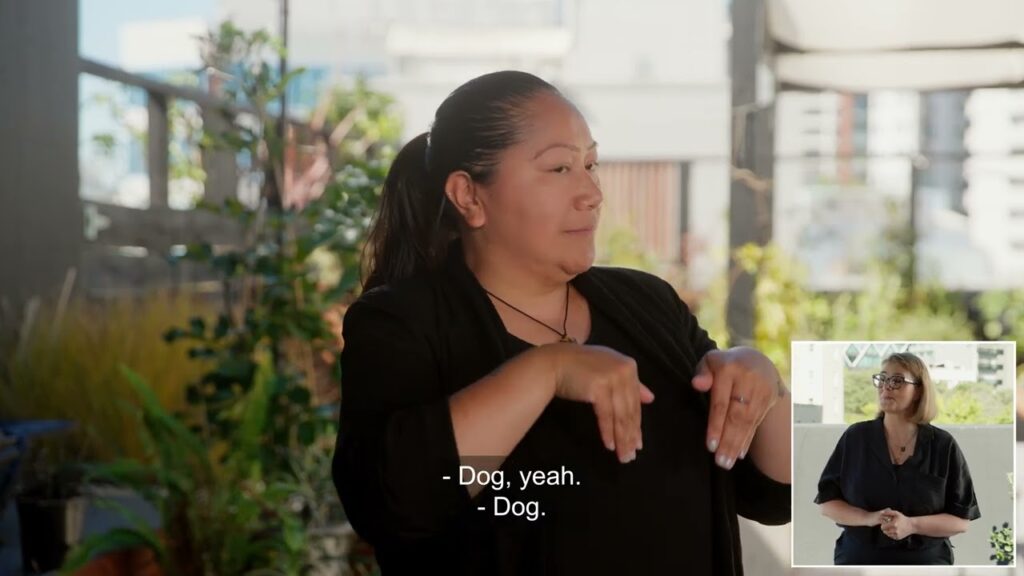
The sign for “animals” in New Zealand Sign Language (NZSL) refers to all types of living creatures, from pets to wildlife. This sign is commonly used in various contexts, such as discussing favorite pets, learning about wildlife, or even in educational settings with children. Understanding this sign is essential for effective communication within the vibrant NZ Deaf community.
Table of Contents
How to Sign “Animals” in NZSL
- Start with both hands in a flat “B” handshape (palm down).
- Position your hands in front of your chest, around shoulder width apart.
- Move your hands outward and slightly downwards, maintaining the “B” handshape.
- As you move your hands, use a facial expression that reflects curiosity or interest to enhance the meaning.
Common Mistakes
- Using a “C” handshape instead of a flat “B” handshape, which changes the sign entirely.
- Not moving the hands outward enough, making the sign less clear.
- Forgetting to use facial expressions, which are important in conveying meaning in NZSL.
NZSL vs ASL
In NZSL, the sign for “animals” is performed with a flat “B” handshape and involves outward movement from the body. In contrast, American Sign Language (ASL) uses a different handshape and movement pattern, emphasizing the distinctiveness of each sign language.
Related Signs
- Dog – The sign for a beloved pet.
- Cat – A common household animal sign.
- Bird – Represents various types of birds.
- Horse – Used when discussing this majestic animal.
- Fish – Commonly used in discussions about pets or wildlife.
Frequently Asked Questions
How can I use “animals” in a sentence?
You can use the sign “animals” to talk about your favorite animals, like “I love animals” by signing “I” + “love” + “animals”.
Are there regional variations in the sign for “animals”?
While the basic sign remains consistent across New Zealand, some regions may have slight variations in speed or facial expressions.
What are some similar signs to “animals”?
Related signs include “dog”, “cat”, and “bird”, all of which are used frequently in conversations about pets and wildlife.
What tips can you give for learning this sign?
Practice with a partner, focus on maintaining the correct handshape, and always incorporate facial expressions to enhance understanding.
Can I use this sign in a classroom setting?
Absolutely! It’s a great sign to use when teaching children about animals or during storytelling sessions.
What if I forget the sign?
Don’t worry! You can describe the animal or use visual aids, and always ask for help from your peers in the Deaf community.
Practice This Sign
Try signing Animals with your camera and get AI coaching on your handshape, movement, and location.
Free · No signup required